Start With Your Credit Reports
Car loan denied? Mortgage stalled? Rates higher than you expected? Start by seeing exactly what your credit reports show. See what the lenders see.
When a lender turns you down or quotes a rate that feels too high, the reason may be sitting in your credit reports. An account you don't recognize, a balance that doesn't match, a late payment you believe was reported wrong, a collection entry that isn't yours — without knowing the details, it's hard to tell what deserves attention.
El Paso Credit Repair reviews credit reports with you so you understand what's in them: account statuses, payment history, balances, inquiries, and the rest. The review looks for information that may be inaccurate and lays out your options. It doesn't promise a particular score change or lending result — nobody honest can.
In El Paso, a review usually starts with a goal: a lease near the UTEP campus, a first home in Horizon City or Socorro, a car loan for the drive on I-10 or US 54, a better rate on a card you already carry. Whatever brings you here, the review covers all three bureaus — Equifax, Experian, and TransUnion — line by line, so you see what lenders see before you apply.
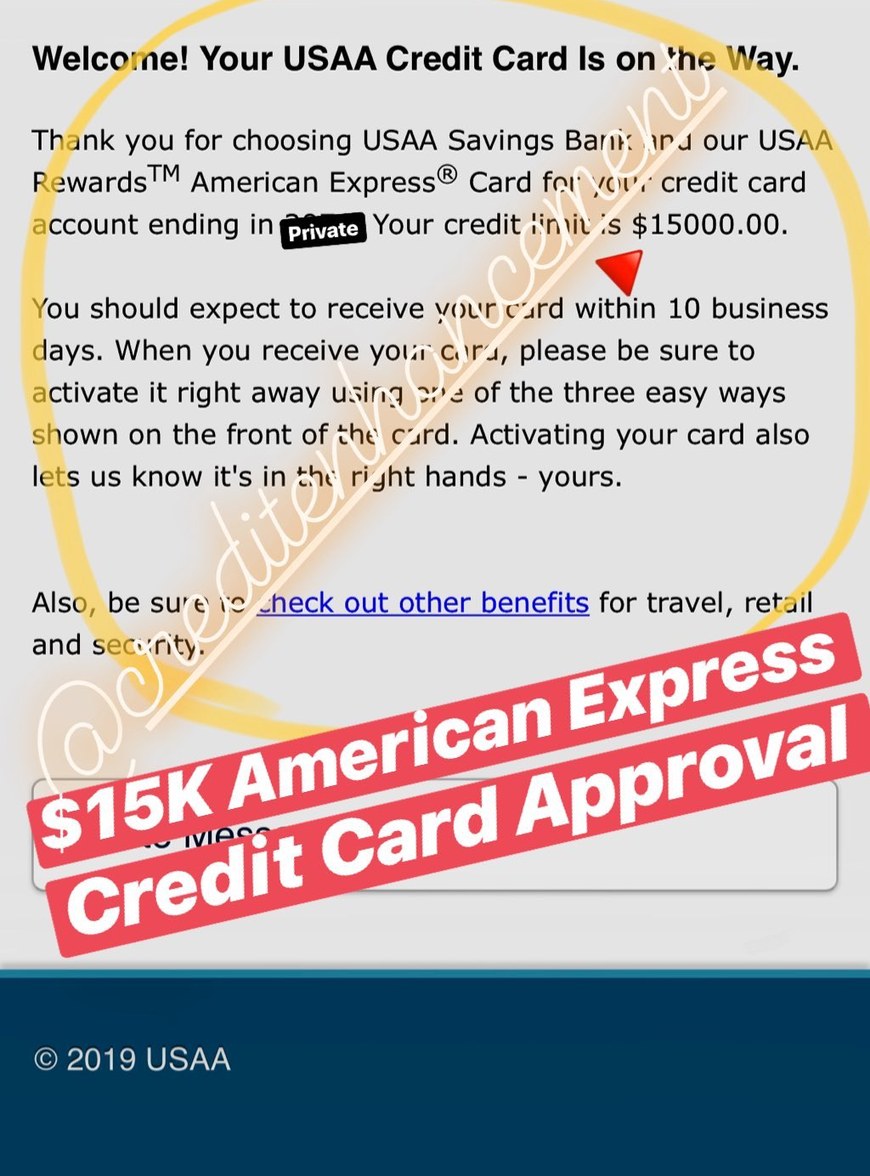
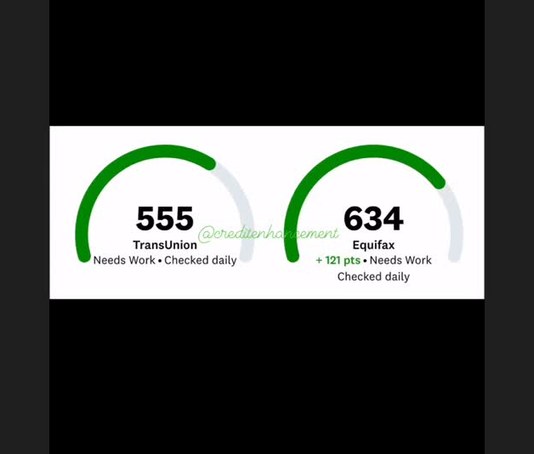
These are actual results from past clients, previously shared on Instagram. Every credit file is different, so treat these as examples of what the process can look like, not as a promise of what yours will do.
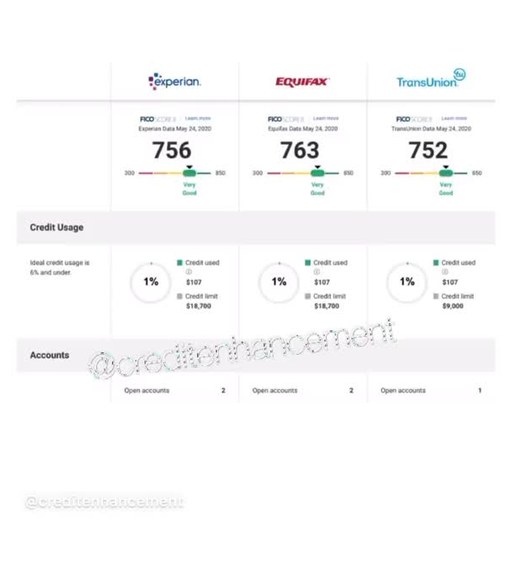
A client's FICO scores in May 2020: Experian 756, Equifax 763, and TransUnion 752.
Client approved for a USAA Rewards American Express card with a credit limit of 15,000 dollars, June 2019.
Results vary from person to person and depend on what is in each credit file. Nothing here promises a particular score increase or deletion.
A review starts with what's on the page — and the page is yours to read first. One dollar puts all three bureaus' reports in front of you, so you walk into the review already knowing what's there.
The review goes better when you've already seen the file yourself.
A week with MyScoreIQ is $1. After that it's $34.99 monthly — stop it whenever you like.
A good review looks at the whole file, not one negative entry. Here are the areas we go through, and why each one matters.
Account names, ownership details, opening dates, and statuses — the details that reveal accounts you don't recognize or that were reported wrong.
How payment patterns, late payments, and account statuses appear on your reports — and what to check when the details don't look right.
Reported balances and available revolving credit, and how scoring models commonly evaluate utilization.
What's shown for collection accounts and charged-off debts — reported amounts, dates, and account status.
Hard versus soft inquiries, and how to spot inquiries you don't recognize or that were reported incorrectly.
Account entries explained in plain language, so your decisions rest on facts you actually understand.
The review flags information that may be inaccurate, incomplete, unfamiliar, or inconsistent with your records.
A clear line between information that may be inaccurate and accurate negative reporting that stays.
Tell us what's on your mind — a car loan, a mortgage, an apartment application, a high rate, or something else.
We go through the reports and account details available to you, focusing on what matters for your situation.
We point out entries that may be worth investigating further or disputing.
We lay out your possible next steps and talk through habits that support your broader financial goals.
Yes — the three bureaus don't always report the same information, so looking at Equifax, Experian, and TransUnion together gives you the fuller picture. We encourage customers to examine every report available.
A review can surface accounts or inquiries you don't recognize. If you suspect identity theft, it should also be reported through the proper identity theft and credit reporting channels.
No. Checking your own report is generally a soft inquiry and doesn't lower your score — unlike lender applications, which usually involve hard inquiries.
Having them handy makes the conversation more productive, but you can call first — we can help you understand how to get them.
Not sure what's on your reports? Take a closer look with us. Call (915) 205-6080.