Bankruptcy
Bankruptcy Was the Reset. The Report Should Tell It Straight.
A bankruptcy gives you a way forward — but the entries it leaves behind can keep tripping you up for years. We help you read every bankruptcy entry closely and challenge it when the details do not add up. See what the lenders see.
A bankruptcy filing shows up on a credit report in two places: the public record of the filing itself, and every account that was part of it. The filing stays for a long time — a Chapter 7 generally reports for 10 years, a Chapter 13 for 7 — and the accounts tied to it carry their own entries, each one with a balance, a status, and a date that should tell the same story.
El Paso Credit Repair goes through the bankruptcy entries with you line by line. The most common problems we see are accounts that were discharged but still show a balance, accounts that still show as past due instead of included in bankruptcy, and dates that do not match the discharge paperwork. Those are accuracy questions, and accuracy questions can be disputed. An accurate bankruptcy generally stays for the full reporting period, and no one can promise it will come off — but an entry that misstates what happened after discharge can be challenged.
For many El Paso families — from the Westside to Ysleta, from military households near Fort Bliss to longtime homeowners in the Northeast — bankruptcy was the hard choice that stopped the bleeding. The work now is making sure the report reflects the discharge the way it actually happened, so the next lender sees a clean record of it.
These are actual results from past clients, previously shared on Instagram. Every credit file is different, so treat these as examples of what the process can look like, not as a promise of what yours will do.
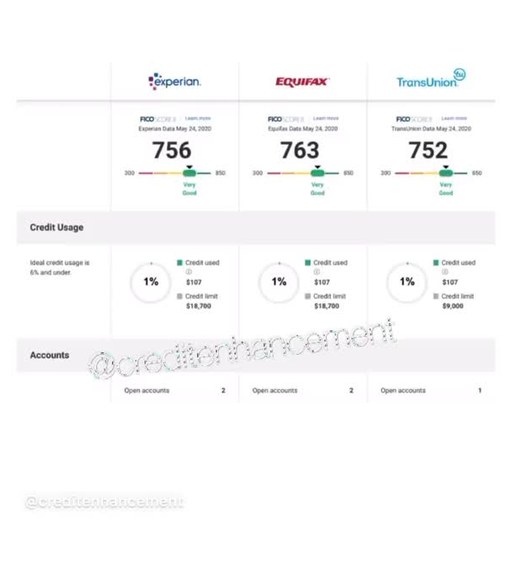
A client's FICO scores in May 2020: Experian 756, Equifax 763, and TransUnion 752.
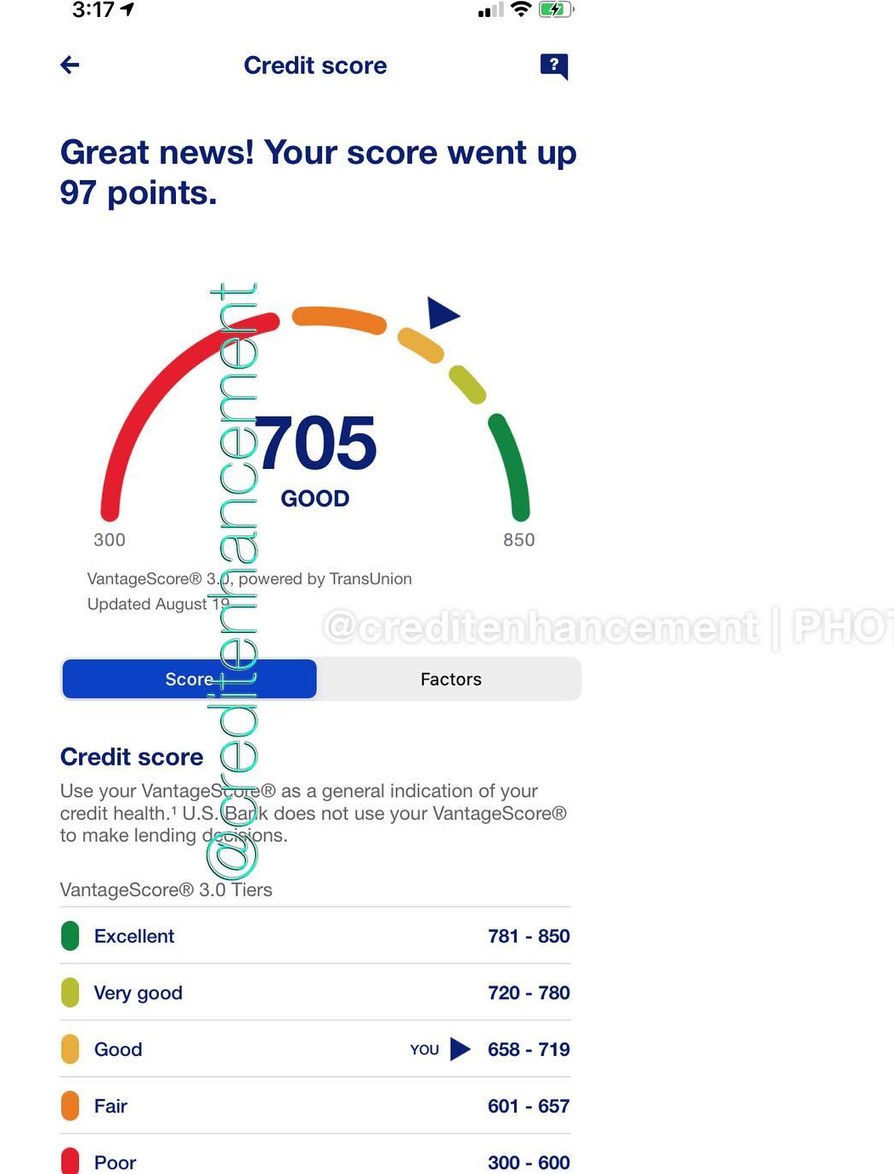
A client's TransUnion VantageScore rose 97 points to 705 in August 2020.
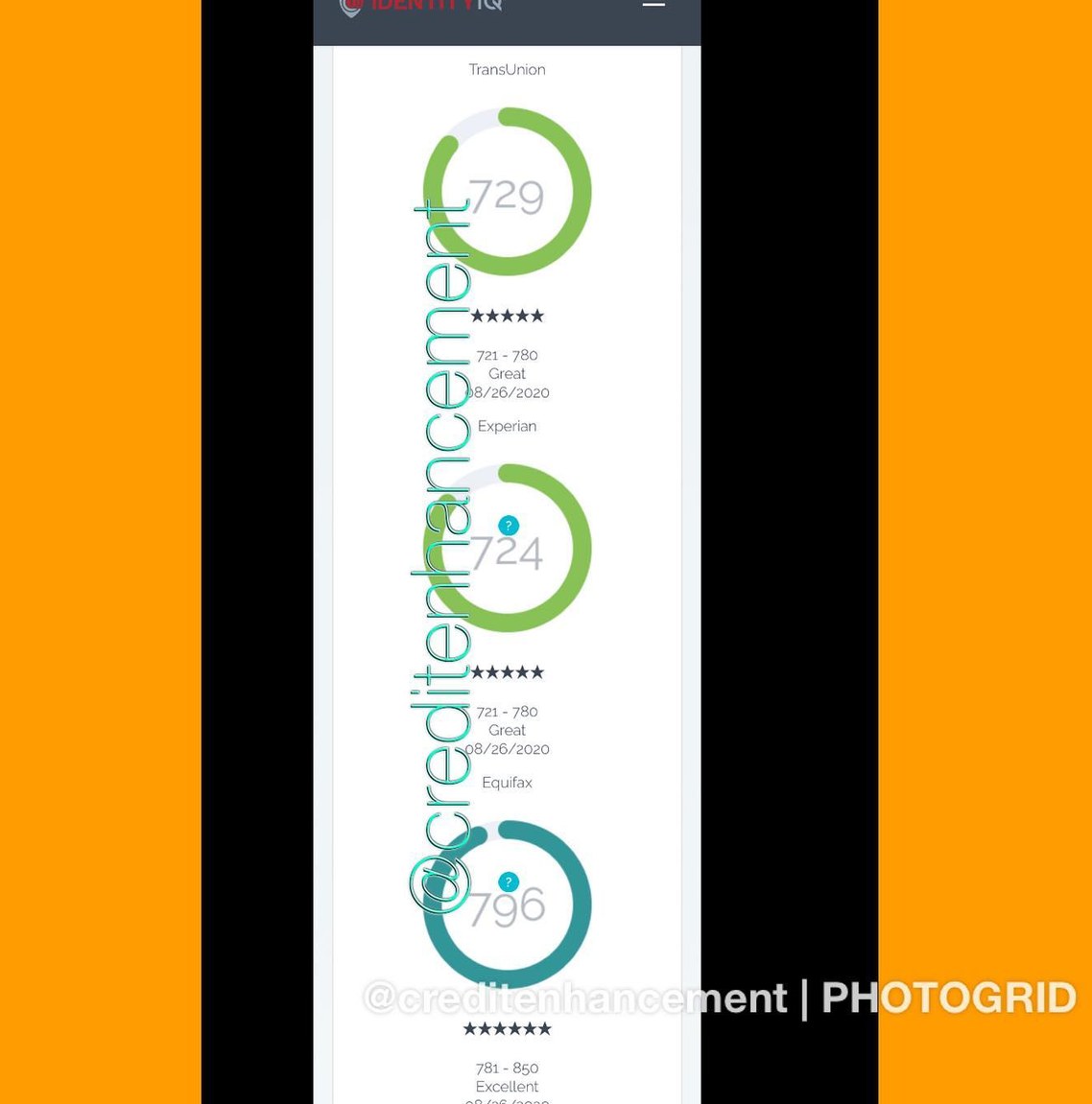
A client's three-bureau scores in August 2020: TransUnion 729, Experian 724, and Equifax 796.
Results vary from person to person and depend on what is in each credit file. Nothing here promises a particular score increase or deletion.
A bankruptcy touches many accounts, and each one can be reported its own way. One dollar opens all three reports — Equifax, Experian, TransUnion — so you can read every bankruptcy entry yourself before deciding what to do about it.
The entry on the page is the fact. Everything else is guessing.
$1 with MyScoreIQ gets you a week with your scores. Keeping it on costs $34.99 a month — cancel whenever you like.
Bankruptcy touches the filing and every account in it. We help you check both against your discharge paperwork.
The chapter, the filing date, and the discharge date as shown on each bureau's report.
Accounts that were discharged but still list a balance owed — one of the most common post-bankruptcy errors.
Whether each account in the case is marked the way it should be, and whether any still shows as past due.
Whether an entry holds inaccurate information that may be worth disputing with the bureau or the furnisher.
How to keep your discharge paperwork organized, and what to consider as you rebuild after bankruptcy.
A discharged account still showing a balance needs a different response than a correct entry. We sort that out first.
We look for information that is actually inaccurate — we do not suggest every bankruptcy entry can be removed.
Common bankruptcy and discharge terms, explained — and help preparing for conversations with a creditor or the bureau.
We go over the filing and the accounts tied to it on your credit reports together.
We check balances, dates, and status against your discharge paperwork.
We flag information that looks inaccurate, incomplete, or inconsistent with your records.
We lay out possible dispute options and practical steps for rebuilding after bankruptcy.
A bankruptcy entry with inaccurate information — a wrong chapter, wrong dates, or an account that misstates the discharge — can be challenged through a factual dispute. An accurate bankruptcy generally stays on the report for the full reporting period.
A Chapter 7 bankruptcy is generally reported for 10 years, and a Chapter 13 for 7 years. The accounts included in the case follow their own reporting timelines.
Some accounts are not updated after discharge and keep showing a balance owed. A discharged account should generally show a zero balance and a status tied to the bankruptcy, and a mismatch is worth a careful look.
It means the account was part of the bankruptcy case. An account that was included but still shows as past due or open may be reported inaccurately, and that can be disputed.
Let's review your reports together. Call (915) 205-6080.