Student Loan Default
A Student Loan in Default Can Take Your Paycheck and Your Refund
A defaulted student loan can mean wage garnishment, a seized tax refund, and a credit report that keeps getting worse. We help you read every student loan entry closely and challenge it when the details do not add up. See what the lenders see.
A federal student loan in default is not like other past-due debt. The government has collection tools other creditors do not — it can garnish wages and take a tax refund through a tax refund offset, all without going to court first. And the default itself sits on your credit report, alongside every late payment that led up to it, shaping what lenders think of you for years.
El Paso Credit Repair goes through the student loan entries with you line by line: the servicer, the balance, the dates, and whether the loan is shown as in default, in rehabilitation, or current — and whether the three bureaus agree. A loan that was rehabilitated but still shows as in default, a balance that does not match the servicer's numbers, or payments that were made but never credited are accuracy questions, and accuracy questions can be disputed. An accurate default generally stays for the full reporting period, and no one can promise it will come off.
For El Paso students and graduates — from UTEP on the Westside to EPCC campuses across town, and for Fort Bliss families who borrowed while stationed here — the loan was supposed to be the way up. When it falls into default, the first step is the same as with any entry: know exactly what the bureaus are reporting, and challenge what does not match your records.
These are actual results from past clients, previously shared on Instagram. Every credit file is different, so treat these as examples of what the process can look like, not as a promise of what yours will do.

Equifax score up 80 points to 704, with six MOHELA student loan accounts and other entries removed, April 2020.
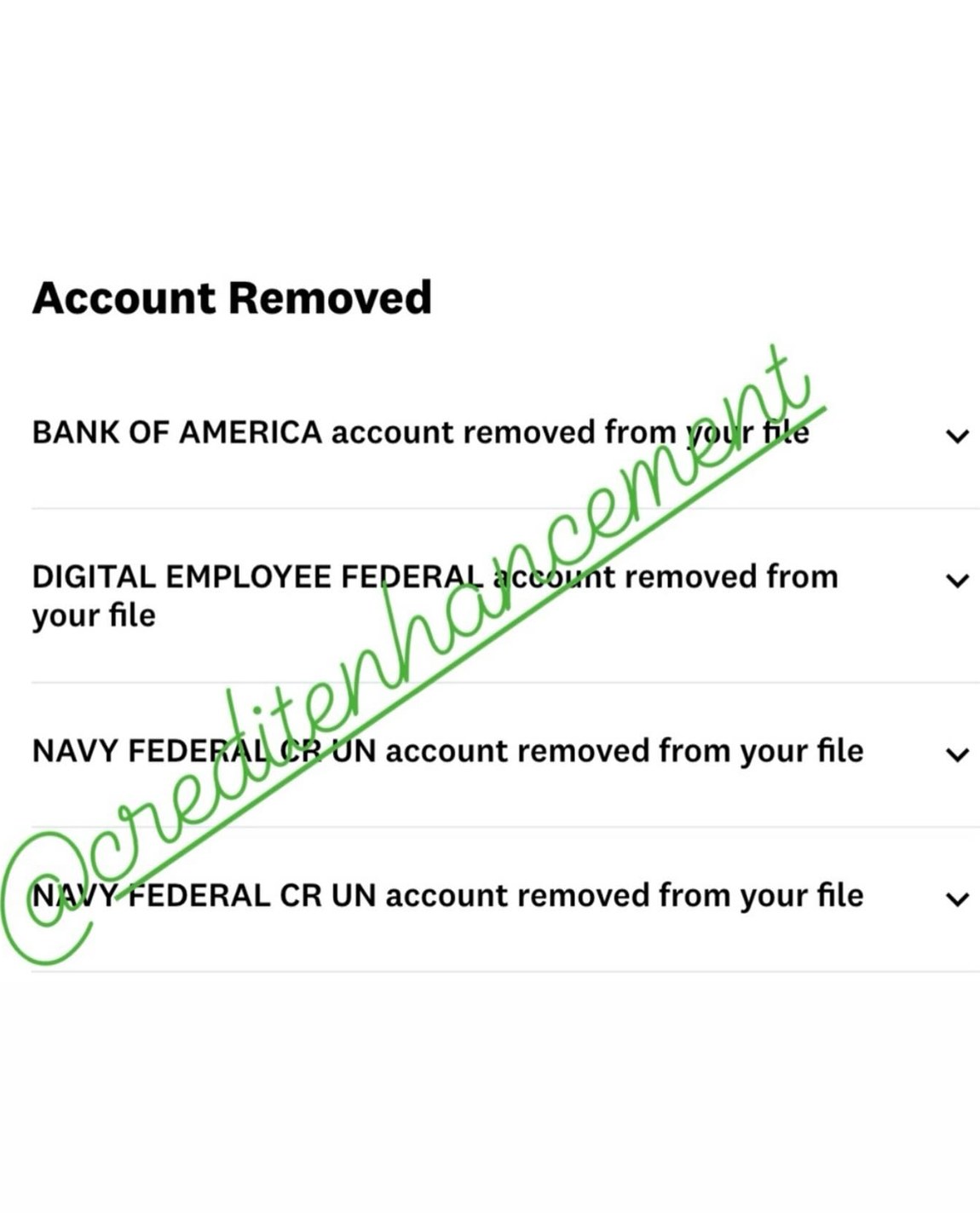
Four accounts removed from a client's file in February 2024: Bank of America, Digital Employee Federal, and two Navy Federal accounts.
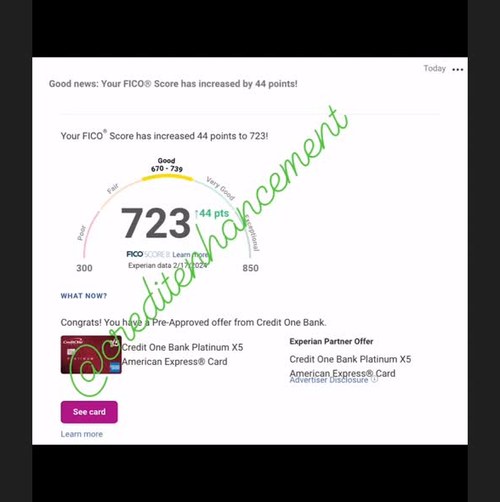
A client's Experian FICO score rose 44 points to 723 in February 2024.
Results vary from person to person and depend on what is in each credit file. Nothing here promises a particular score increase or deletion.
A student loan file can hold many entries — the loan, the late payments, the default itself. One dollar opens all three reports — Equifax, Experian, TransUnion — so you can read every student loan entry yourself before deciding what to do about it.
The entry on the page is the fact. Everything else is guessing.
$1 with MyScoreIQ gets you a week with your scores. Keeping it on costs $34.99 a month — cancel whenever you like.
Student loan entries have their own vocabulary. We help you read each one against your servicer records.
The servicer, the loan type, the balance, and the status shown on each bureau's report.
Whether the loan is shown as in default, and whether the dates match the servicer's own timeline.
Whether a completed rehabilitation is reflected, and whether payments you made were credited the way they should have been.
Whether an entry holds inaccurate information that may be worth disputing with the bureau or the furnisher.
How to keep servicer letters and payment records organized, and what to consider before you talk to the servicer.
A rehabilitated loan still showing as in default needs a different response than a correct entry. We sort that out first.
We look for information that is actually inaccurate — we do not suggest every student loan entry can be removed.
Common student loan terms — default, rehabilitation, garnishment, offset — explained, and help preparing for conversations with a servicer.
We go over the student loan entries on your credit reports together.
We check the servicer, balance, dates, and status against your records.
We flag information that looks inaccurate, incomplete, or inconsistent with what you have.
We lay out possible dispute options and practical steps toward getting the loan back on track.
A student loan entry with inaccurate information — a wrong balance, wrong dates, or a status that does not match the servicer's records — can be challenged through a factual dispute. An accurate default generally stays on the report for the full reporting period.
Rehabilitation is a program where you make a series of agreed payments on a defaulted federal loan. Once completed, the default is generally removed from the report, though the late payments that led to it may remain.
Yes. A defaulted federal student loan can lead to wage garnishment and to a tax refund offset, where a refund is taken to pay the loan. Knowing the loan's exact status helps you understand what may come next.
A tax refund offset is when the government takes part or all of a federal tax refund to pay a defaulted student loan. The loan's status on your report and with the servicer should match, and a mismatch is worth checking.
Let's review your reports together. Call (915) 205-6080.