Foreclosure, Short Sale, Deed in Lieu
Your Home Mattered. The Entry Left Behind Still Does.
A foreclosure, a short sale, or a deed in lieu can follow your credit for years after the house is gone. We help you read the entry closely and challenge it when the details do not add up. See what the lenders see.
When a mortgage goes seriously past due, a few different endings are possible: a foreclosure, where the lender takes the home; a short sale, where the home sells for less than the balance with the lender's agreement; or a deed in lieu, where the borrower hands the deed back instead of going through foreclosure. Each one is reported differently, and each one carries its own weight with the next lender — so knowing which one your report actually shows matters a great deal.
El Paso Credit Repair goes through the mortgage entries with you line by line: the lender, the dates, the balance shown, and whether the entry says foreclosure, short sale, or deed in lieu — and whether the three bureaus agree. A balance that was forgiven but still shows as owed, a foreclosure date that is wrong, or a short sale reported as a foreclosure are accuracy questions, and accuracy questions can be disputed. An accurate entry generally stays for the full reporting period, and no one can promise it will come off.
Across El Paso — from Kern Place to the Mission Valley, from the Northeast to the far Eastside — home is a big part of life here, and a housing entry on a report carries real weight. Whatever path your home took, the work now is the same: understand exactly what the bureaus are reporting, and challenge what does not match your records.
These are actual results from past clients, previously shared on Instagram. Every credit file is different, so treat these as examples of what the process can look like, not as a promise of what yours will do.

A client was approved for a Bank of America Business Advantage Credit Card in May 2020.
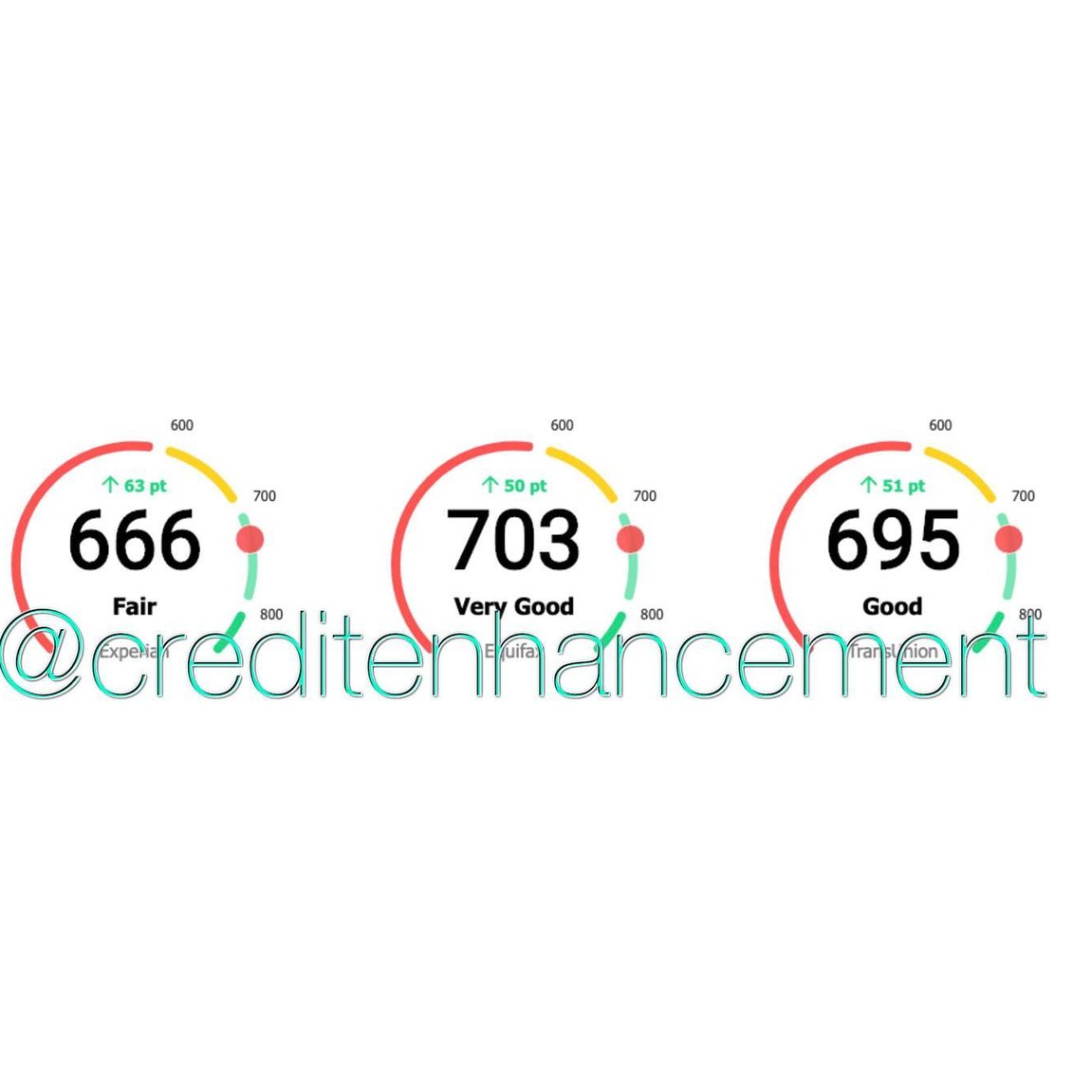
A client's scores rose on all three bureaus in May 2020: Experian up 63 points to 666, Equifax up 50 to 703, and TransUnion up 51 to 695.
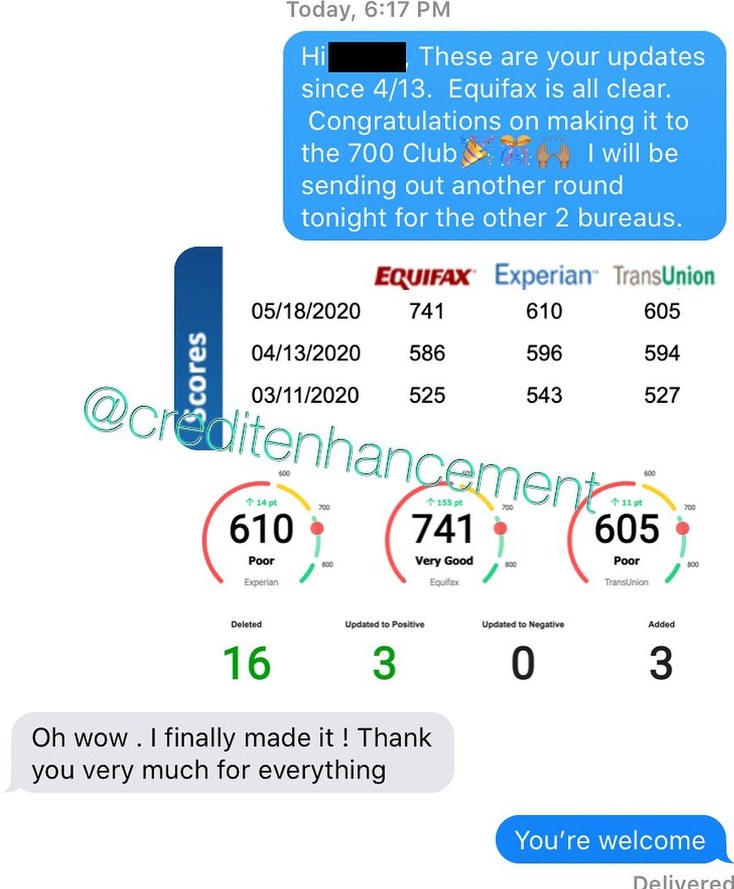
A client's Equifax score climbed from 525 in March 2020 to 741 in May 2020, with 16 items deleted along the way.
Results vary from person to person and depend on what is in each credit file. Nothing here promises a particular score increase or deletion.
A foreclosure or short sale entry hides a lot of detail — the balance, the dates, the way the ending is described. One dollar opens all three reports — Equifax, Experian, TransUnion — so you can read the entry yourself before deciding what to do about it.
The entry on the page is the fact. Everything else is guessing.
$1 with MyScoreIQ gets you a week with your scores. Keeping it on costs $34.99 a month — cancel whenever you like.
Housing entries come in different forms. We help you tell them apart and check each one against your records.
Whether the report shows a foreclosure, a short sale, a deed in lieu, or simply a string of late mortgage payments.
The balance shown after the sale or transfer, and whether any forgiven amount is still listed as owed.
Whether the dates line up with your closing or transfer paperwork, and whether the account shows as closed or settled.
Whether the entry holds inaccurate information that may be worth disputing with the bureau or the furnisher.
How to keep your mortgage paperwork organized, and what to consider before your next housing application.
A short sale reported as a foreclosure needs a different response than a correct entry. We sort that out first.
We look for information that is actually inaccurate — we do not suggest every housing entry can be removed.
Common mortgage and foreclosure terms, explained — and help preparing for conversations with a lender or servicer.
We go over the mortgage and housing entries on your credit reports together.
We check the lender, balance, dates, and status against your paperwork.
We flag information that looks inaccurate, incomplete, or inconsistent with your records.
We lay out possible dispute options and practical steps toward your next home.
A foreclosure with inaccurate information — a wrong date, a wrong balance, or a description that does not match what happened — can be challenged through a factual dispute. An accurate foreclosure generally stays on the report for the full reporting period.
A foreclosure is generally reported for up to seven years from the date of the first missed payment that led to it. The exact timing depends on the account and the bureau's reporting rules.
Yes. A short sale and a foreclosure are different entries, and lenders often view them differently. If your report describes the ending the wrong way, that is worth a careful look.
A deed in lieu is when the borrower voluntarily transfers the deed to the lender instead of going through foreclosure. It is reported as its own kind of entry, and its details are worth checking against your paperwork.
Let's review your reports together. Call (915) 205-6080.