Building Credit
Building credit is a habit, not a one-time fix: pay on time, keep balances low, keep old accounts open, and let time do its work.
Building credit is different from starting from zero. If you already have a file, the work is ongoing: the habits you keep month after month are what move your score and keep it there. There is no single move that builds credit. It is the pattern, repeated, that lenders trust.
The fastest way to build credit is also the most boring: pay every bill on time, keep your balances well below your limits, and do not open accounts you do not need. The tools below help, but they only work if the habits underneath them are solid.
Building credit takes time, and that is the part most people underestimate. A new account helps your file, but it also lowers the average age of your accounts at first. The benefit comes over months of on-time payments, not in the first statement. If someone promises to build your credit in weeks, they are selling a shortcut that does not exist.
The other thing to know is that building credit and removing errors are different jobs. Building adds positive history. Challenging errors removes information that should not be there. Many people need both, and the order matters: clean the file first, then build on a clean foundation.
If this guide helped, these pages go deeper on the topics that usually come up next.
These are actual results from past clients, previously shared on Instagram. Every credit file is different, so treat these as examples of what the process can look like, not as a promise of what yours will do.

A client's WalletHub score rose 28 points, from 667 to 695, between February 3 and February 4, 2024.
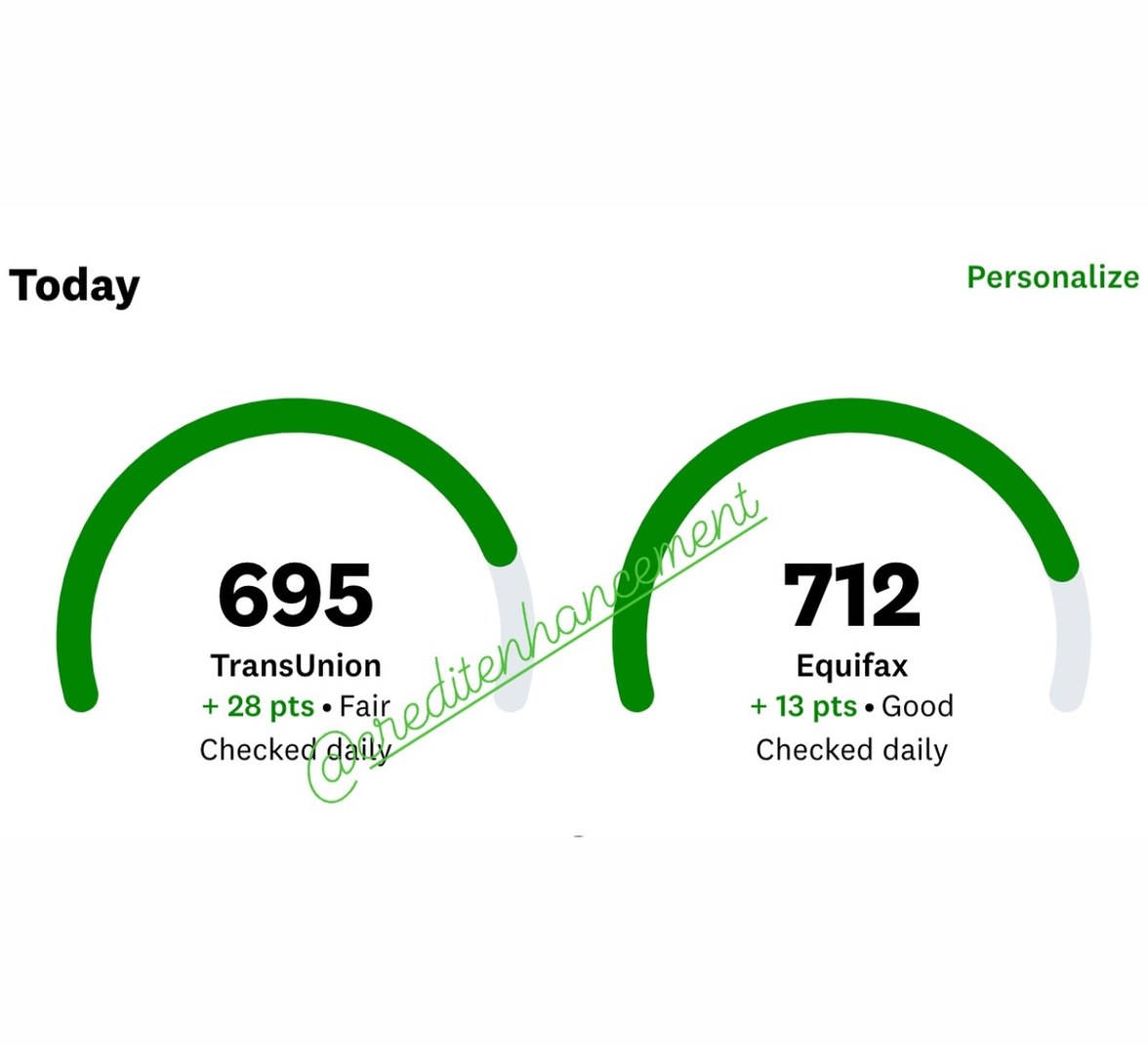
A client's scores in February 2024: TransUnion 695, up 28 points, and Equifax 712, up 13 points.
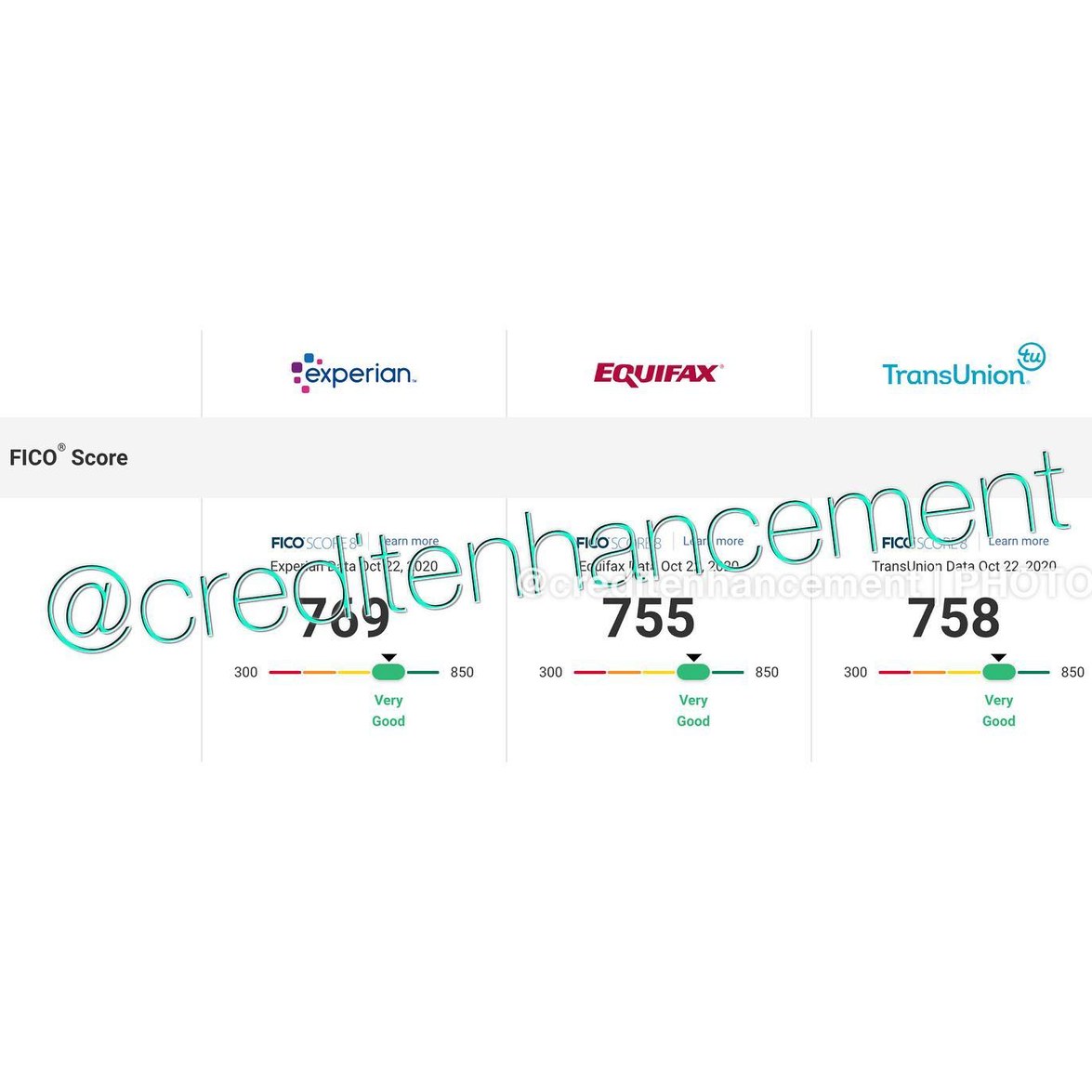
A client's FICO scores in October 2020: Experian 769, Equifax 755, and TransUnion 758.
Results vary from person to person and depend on what is in each credit file. Nothing here promises a particular score increase or deletion.
You can't fix what you can't see. Read your scores and entries from all three bureaus side by side and find out what is actually on your reports.
The entry on the page is the fact. Everything else is guessing.
$1 with MyScoreIQ gets you a week with your scores. Keeping it on costs $34.99 a month — cancel whenever you like.
Building Credit can look different from one report to the next. We help you understand the details and spot accuracy problems.
Payment history is the largest part of your score. One late payment can undo months of good habits, so set up autopay for at least the minimum on every account.
Try to use less than 30 percent of your available credit, and less than 10 percent if you can. Paying a balance down before the statement date is the quickest way to move this number.
The age of your accounts matters. Closing your oldest card shortens your history and can raise your utilization at the same time.
Each application adds a hard inquiry and lowers the average age of your accounts. Open new credit only when you have a reason for it.
Errors on your reports drag your score down for no reason. Reading your reports a few times a year keeps surprises from sitting there unnoticed.
A Building Credit entry feels personal, but on a report it is just data — dates, amounts, and a status. We help you read it as data first.
The same account can look different on each bureau. We help you check all three before you act on any one of them.
We explain dispute options, what records to keep, and practical habits that help you stay current going forward.
You put down a deposit, the card reports to the bureaus like any other card, and on-time payments build your history. See our guide on secured credit cards.
A small loan held in savings while you make payments. The payments report to the bureaus, and you get the money when the loan is done.
Being added to a family member's well-managed card can add their positive history to your file. It only helps if that account stays in good standing.
Some services report your rent and utility payments to the bureaus. It can help a thin file, but it does not replace a card or loan in most scoring models.
A new file can show a score in about six months of reported activity. Building a strong score takes longer, usually a year or more of steady on-time payments.
Only if your rent payments are reported to the bureaus, which most landlords do not do on their own. A rent-reporting service can add them to your file.
Yes, if it reports to all three bureaus. On-time payments on a secured card count the same as on-time payments on any card.
Usually not. Closing a card can raise your utilization and shorten your credit history, both of which can lower your score. Keep it open and use it occasionally.
Paying balances down before the statement date, because utilization moves quickly. Payment history builds slowly and steadily. There is no overnight method.
Let's look at your reports together and find the moves that will actually help — and the ones that won't. Call (915) 205-6080.