Disputes
Errors Are More Common Than Most People Think
A wrong balance, an account that is not yours, a payment marked late when you paid on time — errors on credit reports happen often enough that checking your reports is worth doing on a regular basis. The dispute process exists for exactly this situation, and it runs on facts and paperwork. This guide walks through the steps in order, so you can dispute an error with confidence.
Not every entry you dislike is an error. A dispute challenges information that is inaccurate, incomplete, or unverifiable. Common examples: an account that belongs to someone else, a balance that does not match your statements, a payment history that shows a late mark for a month you paid on time, a closed account shown as open, or the same debt listed twice under different names.
Start by pulling all three reports at annualcreditreport.com, the official site. The same account can be reported differently at each bureau, so an error may appear on one report and not the others. Go through each report slowly, account by account, and write down every entry that does not match your records. A small notebook or a simple spreadsheet works well for this.
For people in El Paso, errors often show up after a move — a Fort Bliss PCS, a move from Socorro to Horizon City, a new job across town — when old addresses and old accounts get mixed together. Mixed files, where another person's accounts land on your report, are a real category of error, and they are worth disputing as soon as you spot them.
Collect bank statements, payment confirmations, account statements, and any letters from the creditor. Circle the dates and amounts that prove the entry is wrong.
State what is wrong, what the correct information is, and what you are asking the bureau to do. Include your full name, date of birth, address, and the account number as shown on the report. Keep it factual and specific.
Experian: P.O. Box 4500, Allen TX 75013. Equifax: P.O. Box 740256, Atlanta GA 30374. TransUnion: P.O. Box 2000, Chester PA 19016. Send it by certified mail and keep the tracking receipt.
Send a copy to the creditor or collector that reported the information. A furnisher that agrees the entry is wrong must correct it with the bureaus.
Bureaus generally have 30 days to investigate. They will contact the furnisher, review the information, and send you the results in writing.
A correction at one bureau does not always carry to the others. Pull your reports again and confirm the fix everywhere it appeared.
Sometimes a bureau will verify an entry you still believe is wrong. That is not the end of the road. You can send a follow-up dispute with stronger documentation, ask the bureau for a description of the procedure it used, or add a brief consumer statement to your file explaining your side in your own words.
Be careful with dispute templates that promise to erase accurate information. The process works on facts: a 609 letter, for example, is a request for disclosure under FCRA Section 609 — it is not a magic deletion tool, and disputes still go through the investigation process. What moves an entry is proof that the information is inaccurate, incomplete, or unverifiable.
If the error involves identity theft — accounts you never opened — the steps are different and more urgent: place a fraud alert or a credit freeze, file a report at IdentityTheft.gov, and dispute the accounts as fraudulent. El Paso Credit Repair can walk through the reports with you and help sort out which entries are worth disputing. Call (915) 205-6080.
These are actual results from past clients, previously shared on Instagram. Every credit file is different, so treat these as examples of what the process can look like, not as a promise of what yours will do.

A client's WalletHub score rose 28 points, from 667 to 695, between February 3 and February 4, 2024.
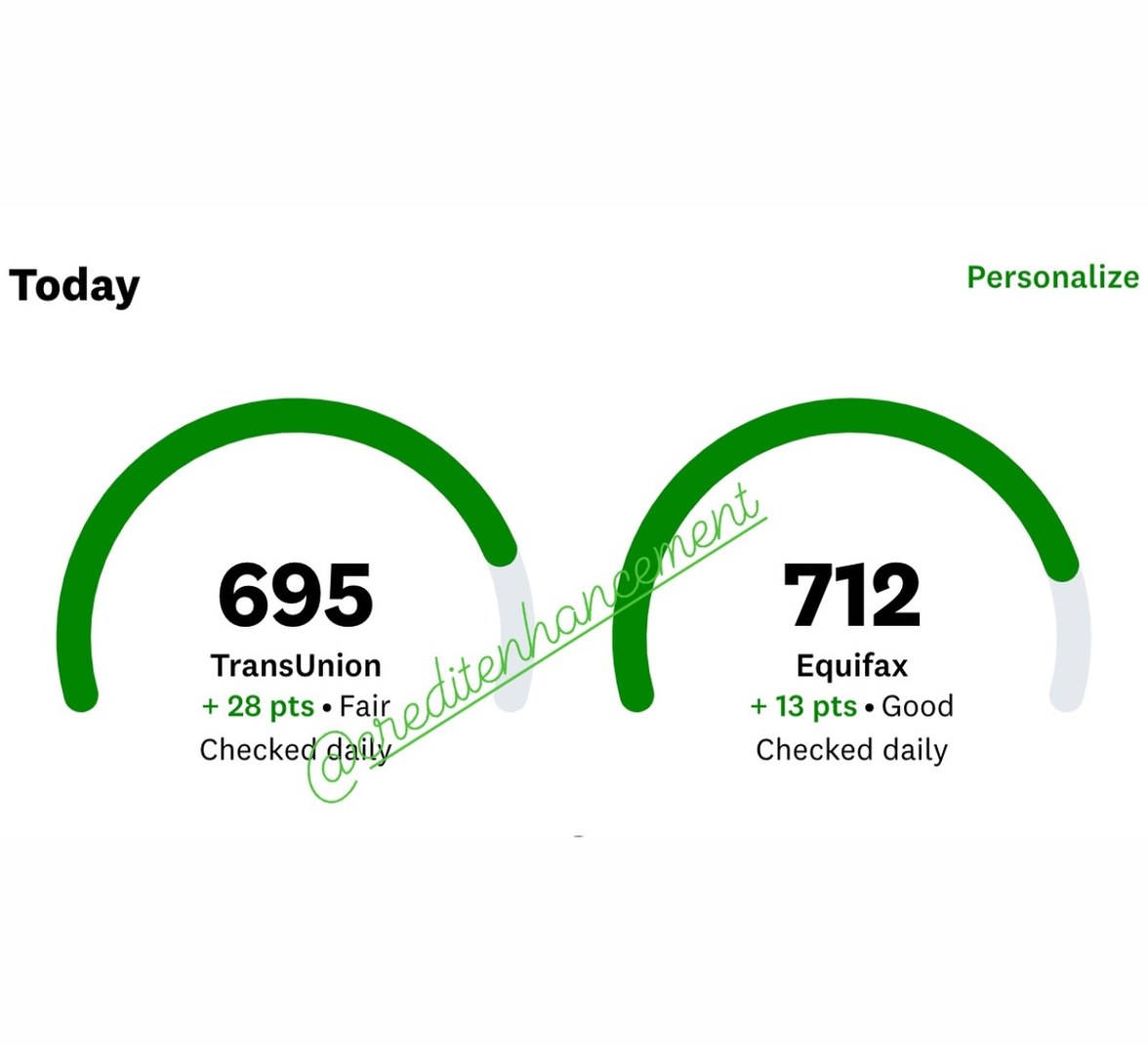
A client's scores in February 2024: TransUnion 695, up 28 points, and Equifax 712, up 13 points.
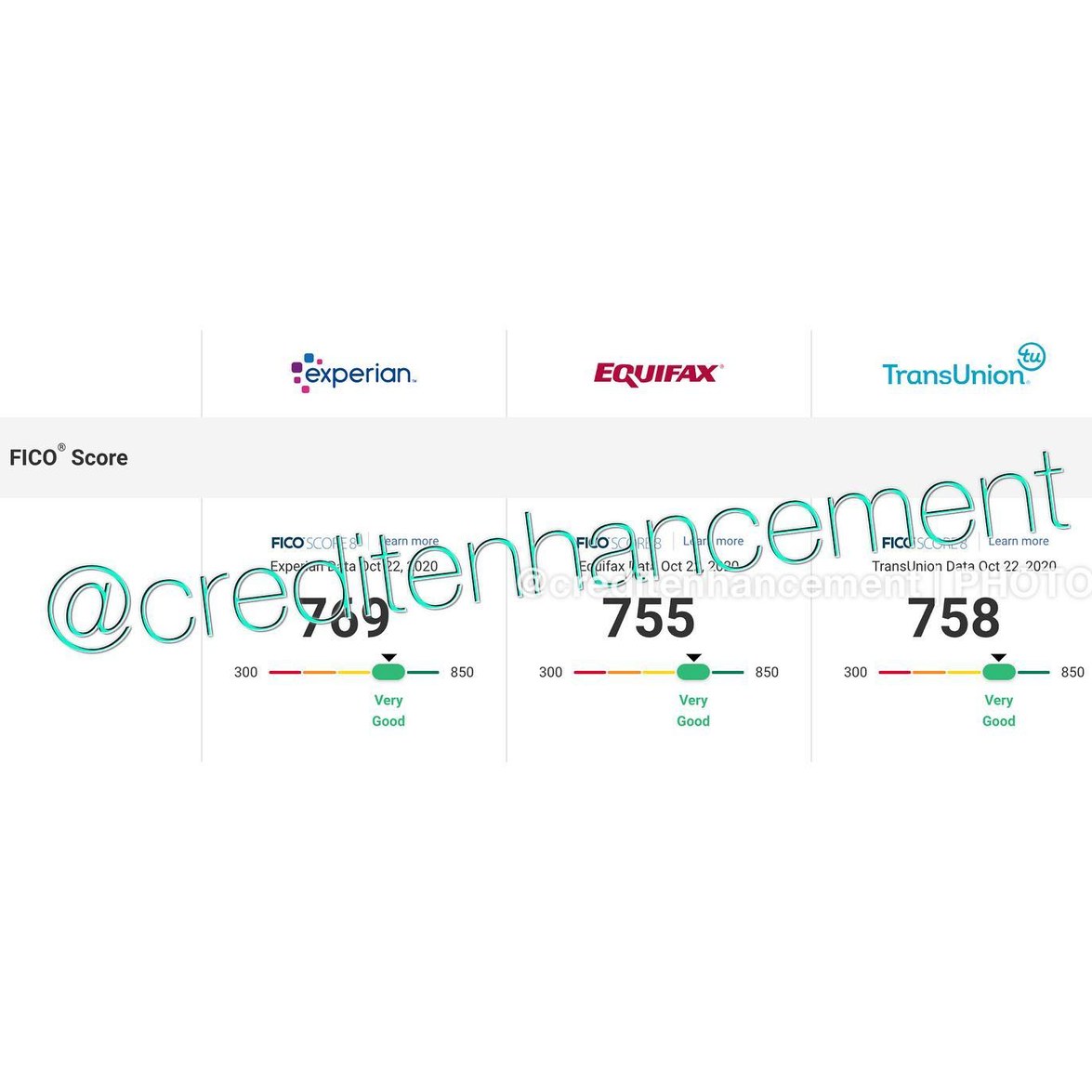
A client's FICO scores in October 2020: Experian 769, Equifax 755, and TransUnion 758.
Results vary from person to person and depend on what is in each credit file. Nothing here promises a particular score increase or deletion.
You cannot dispute what you have not seen. One dollar opens all three reports — Equifax, Experian, TransUnion — so you can read every entry yourself and spot the errors before they cost you a loan or a lease.
The entry on the page is the fact. Everything else is guessing.
$1 with MyScoreIQ gets you a week with your scores. Keeping it on costs $34.99 a month — cancel whenever you like.
Bureaus generally have 30 days to investigate a dispute and send you the results. Complex cases can take longer, and the bureau will tell you if it needs more time.
You can do both. Dispute with the bureau that is reporting the error, and send a copy to the creditor or collector that furnished the information. Each has its own duty to investigate.
Online disputes are faster, but a mailed dispute by certified mail gives you a paper trail with a tracking receipt. For a serious error, many people prefer mail so they can prove what was sent and when.
You can dispute again with stronger documentation, ask for a description of the procedure used, or add a brief consumer statement to your file explaining your side.
Filing a dispute does not itself lower your score. While a dispute is pending, the entry may be noted as disputed, and some scoring models handle disputed entries differently, so timing matters if you are about to apply for a loan.
Let's review your reports together. Call (915) 205-6080.