Inquiries
One Affects Your Score. The Other Doesn't.
Every time someone looks at your credit report, it leaves a trace called an inquiry. But not all inquiries are equal: a hard inquiry can affect your score, while a soft inquiry cannot. Knowing the difference helps you read your reports, shop for loans wisely, and spot the pulls that should not be there.
A hard inquiry happens when you apply for credit and the lender pulls your report to make a decision: a credit card, a car loan, a mortgage, an apartment application that checks credit. The lender needs your permission, and the inquiry is recorded on your report. Hard inquiries generally stay on your report for about two years, though their effect on scoring usually fades after the first year.
A single hard inquiry usually has a small effect on your score. Several in a short period can have a larger one, because they can look like a sudden need for credit. The exception is rate shopping: when you shop for a mortgage or an auto loan within a short window, scoring models often treat the pulls as a single inquiry, so you can compare lenders without a pile of separate hits.
An unauthorized hard inquiry — a pull from a company you never applied to — is a different matter. It can be disputed with the bureau, and if it is paired with accounts you do not recognize, it can be a sign of identity theft.
When you pull your own reports at annualcreditreport.com, the official site, or through a monitoring service, that is a soft inquiry. It never affects your score.
When a lender pre-screens you for a card or loan offer, that is a soft inquiry. You can opt out of pre-screened offers if you do not want them.
When a lender you already have a relationship with reviews your account, that is a soft inquiry. Your current card issuer checking your file does not affect your score.
Some employers and insurers check credit as part of their process. Those checks are generally soft inquiries and do not affect your score.
Mortgage and auto loan pulls within a short window are often grouped as one inquiry by scoring models, so shopping around does not have to mean many separate hits.
Soft inquiries generally appear on your report for a shorter time than hard inquiries, and they are not visible to other lenders in the same way.
Pull all three reports at annualcreditreport.com, the official site, and go through the inquiry section of each one. Match every hard inquiry against applications you actually made. Flag any company you never contacted, any duplicate pulls from a single application, and any inquiry tied to an account that is not yours.
An unauthorized hard inquiry can be disputed with the bureau: Experian, P.O. Box 4500, Allen TX 75013; Equifax, P.O. Box 740256, Atlanta GA 30374; TransUnion, P.O. Box 2000, Chester PA 19016. Bureaus generally have 30 days to investigate. You can also contact the company that pulled your report and ask it to show your authorization.
The practical habit is simple: apply for credit only when you need it, shop for a mortgage or auto loan inside a short window, and check your reports regularly so an unauthorized inquiry is caught early. El Paso Credit Repair can help you read the inquiry section of your reports. Call (915) 205-6080.
These are actual results from past clients, previously shared on Instagram. Every credit file is different, so treat these as examples of what the process can look like, not as a promise of what yours will do.

A client's WalletHub score rose 28 points, from 667 to 695, between February 3 and February 4, 2024.
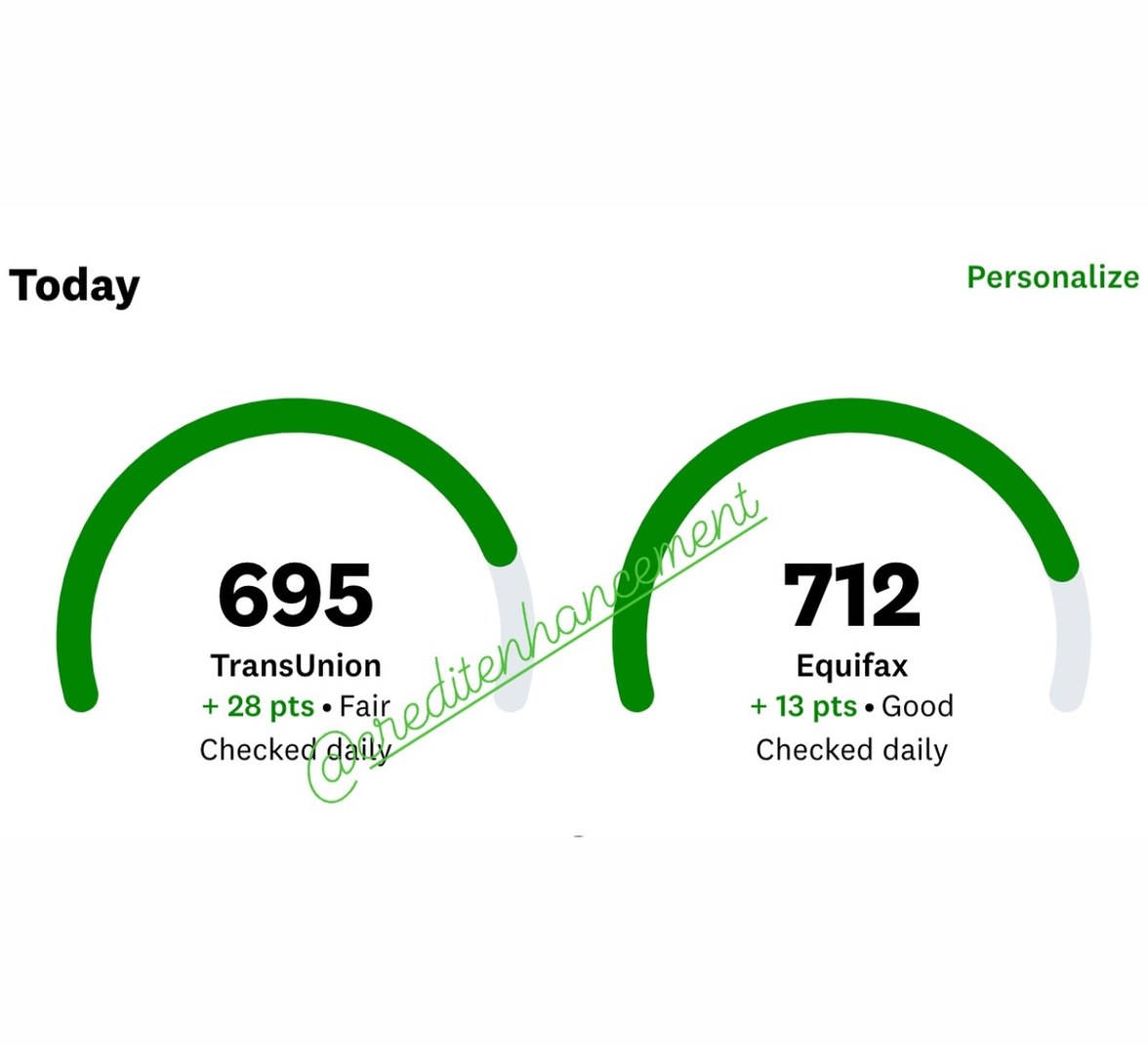
A client's scores in February 2024: TransUnion 695, up 28 points, and Equifax 712, up 13 points.
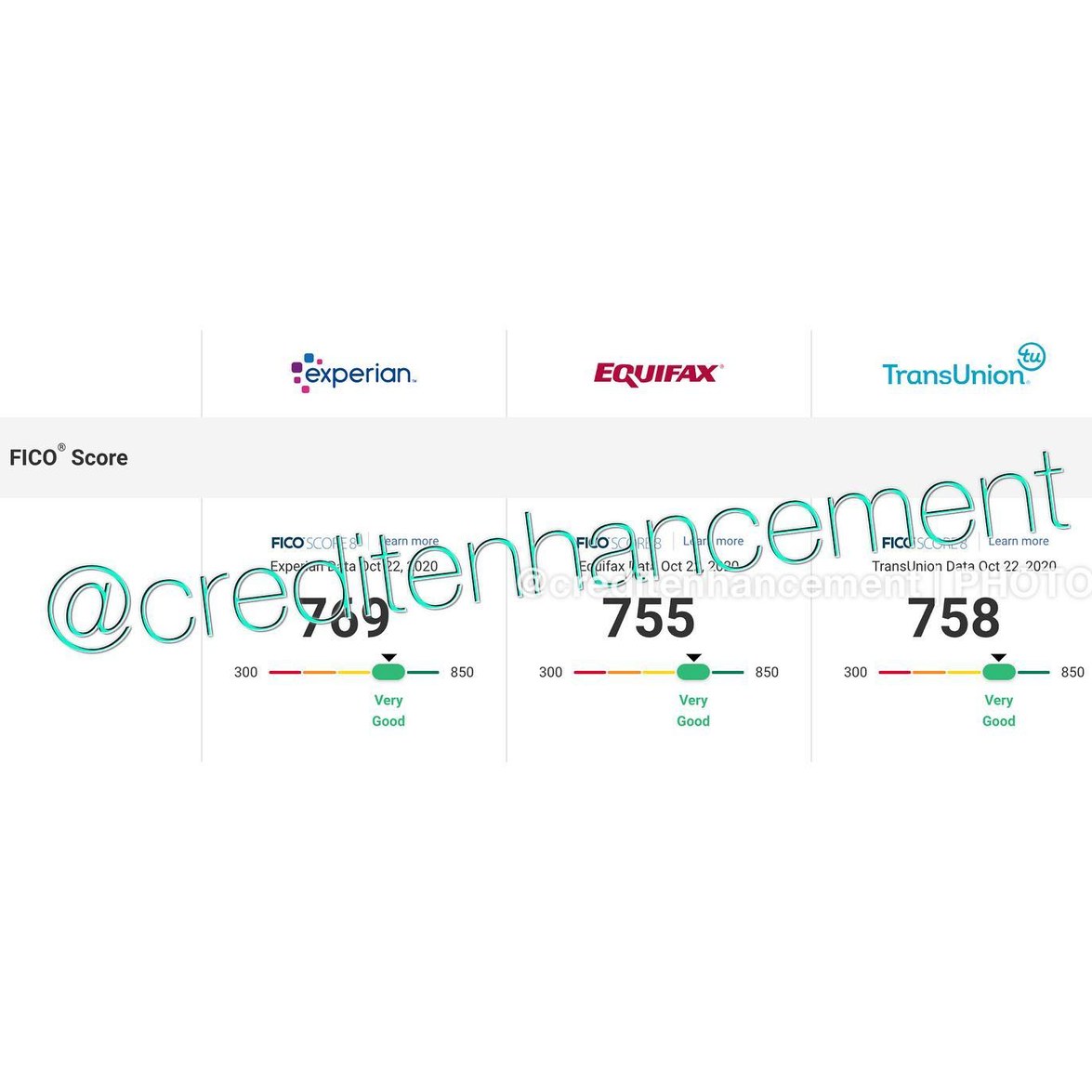
A client's FICO scores in October 2020: Experian 769, Equifax 755, and TransUnion 758.
Results vary from person to person and depend on what is in each credit file. Nothing here promises a particular score increase or deletion.
One dollar opens all three reports — Equifax, Experian, TransUnion — so you can see every hard and soft inquiry, who pulled your report, and when.
The entry on the page is the fact. Everything else is guessing.
$1 with MyScoreIQ gets you a week with your scores. Keeping it on costs $34.99 a month — cancel whenever you like.
A hard inquiry happens when you apply for credit and can affect your score. A soft inquiry happens when you check your own report, a lender pre-screens you, or an existing lender reviews your account, and it does not affect your score.
Hard inquiries generally stay for about two years, though their effect on scoring usually fades after the first year.
No. Checking your own report is a soft inquiry and does not affect your score.
Rate shopping for an auto loan or mortgage within a short window is often treated as a single inquiry by scoring models.
An unauthorized hard inquiry can be disputed. An authorized inquiry generally stays for the full two-year period.
Let's review your reports together. Call (915) 205-6080.