Voluntary Repossession
Voluntary repossession means giving the car back yourself instead of waiting for the lender to take it. It still hurts your credit, and you may still owe money.
Voluntary repossession, also called voluntary surrender, is when you give your car back to the lender yourself instead of waiting for the lender to repossess it. People usually consider it when they can no longer afford the payments and want to avoid the surprise of a tow truck in the driveway.
It is called voluntary because you hand over the keys. It is still a repossession on your credit reports, and it still hurts your score. The main difference is practical, not financial: you control when and how the car goes back, and you avoid repossession fees.
The biggest misunderstanding about voluntary repossession is that it is better for your credit than an involuntary repossession. It is not, or at least not by much. Both show up as a repossession on your reports, and both stay for seven years from the date of first delinquency. The voluntary part may look slightly better to a future lender reading the file, but the scoring impact is essentially the same.
The other misunderstanding is that giving the car back ends the debt. It does not. The lender sells the car and applies the sale price to what you owe. Whatever is left, the deficiency balance, is still your debt, and the lender can try to collect it or sue for it. Before you surrender a car, ask the lender whether it will forgive the deficiency, and get the answer in writing.
If this guide helped, these pages go deeper on the topics that usually come up next.
These are actual results from past clients, previously shared on Instagram. Every credit file is different, so treat these as examples of what the process can look like, not as a promise of what yours will do.

A client's WalletHub score rose 28 points, from 667 to 695, between February 3 and February 4, 2024.
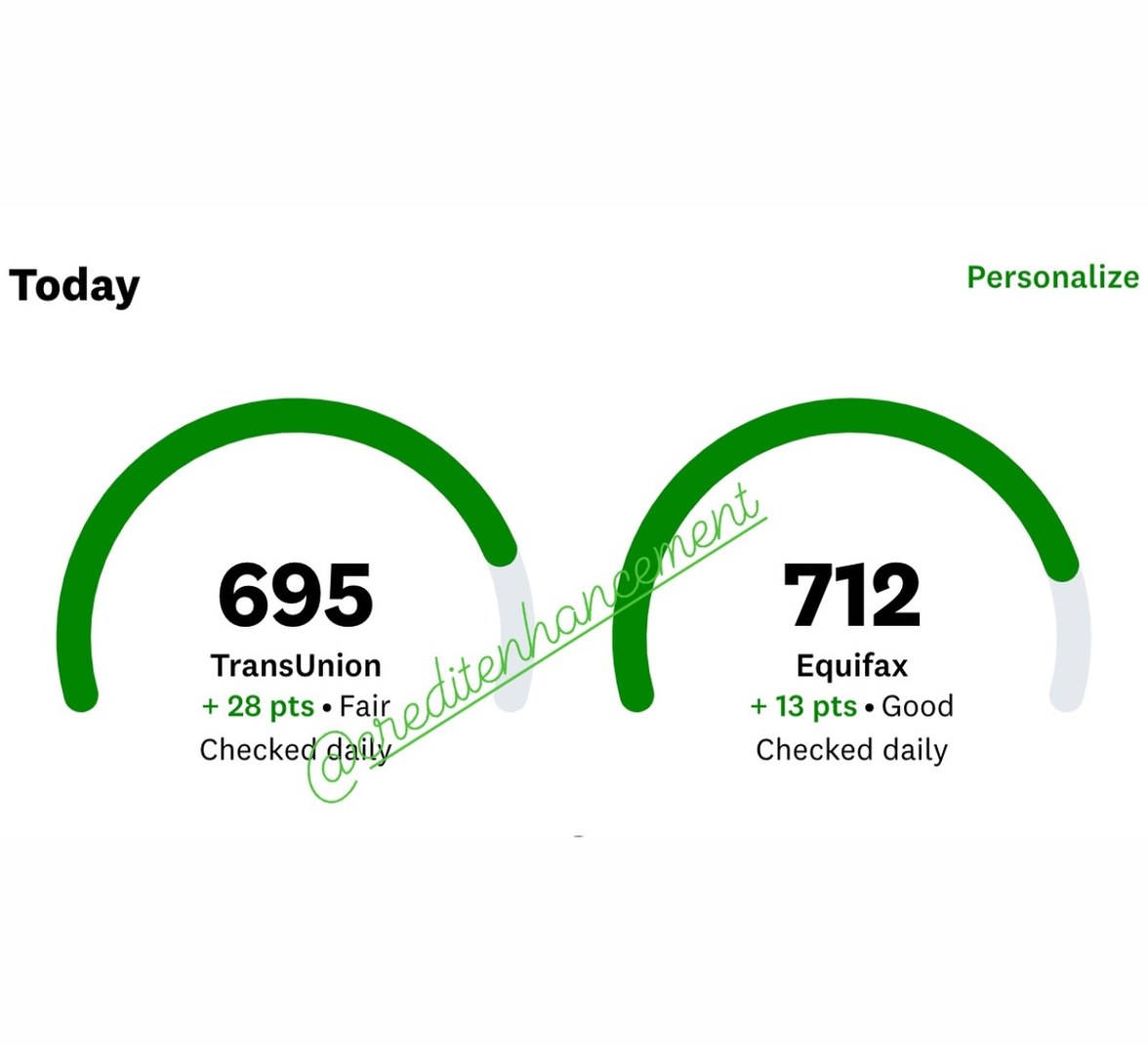
A client's scores in February 2024: TransUnion 695, up 28 points, and Equifax 712, up 13 points.
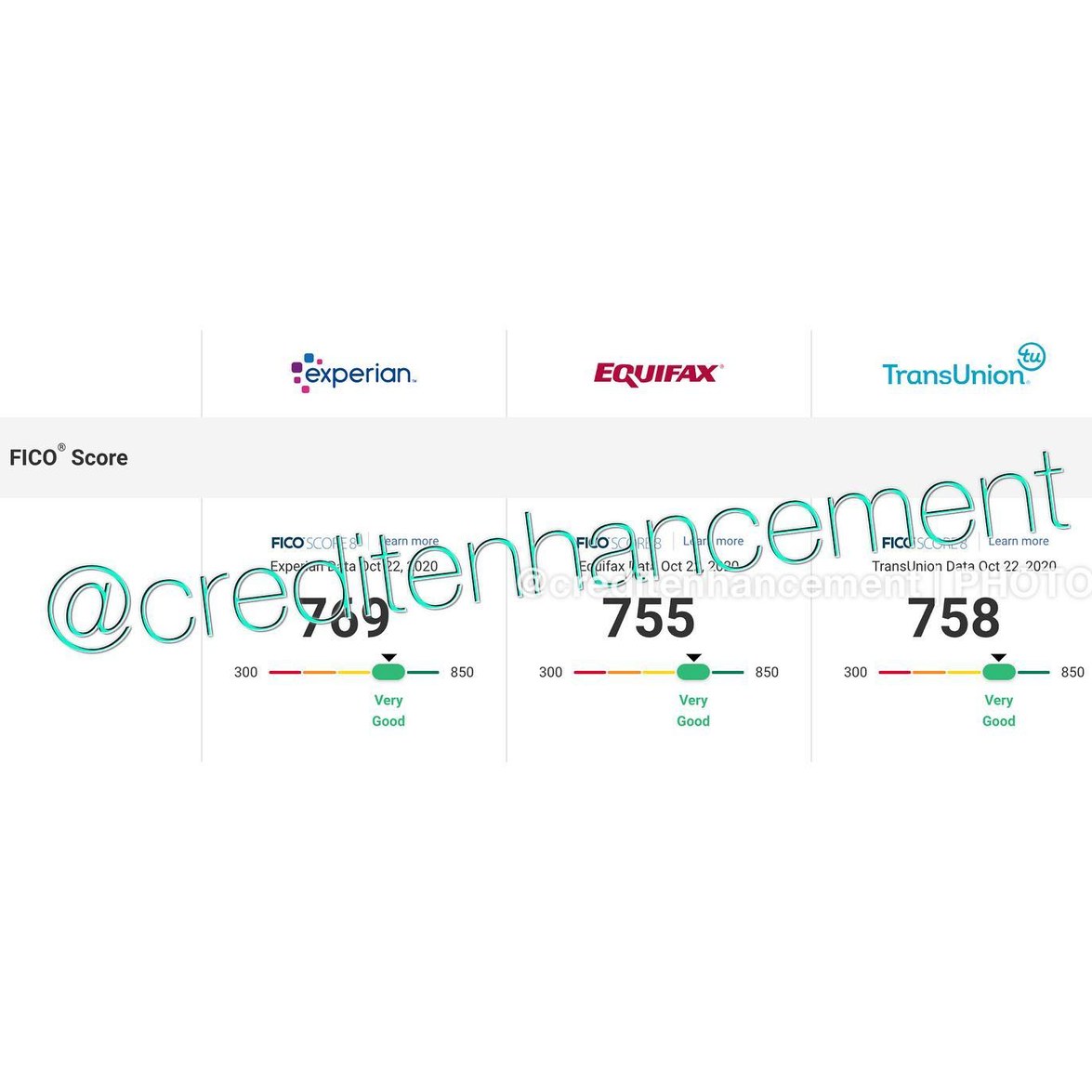
A client's FICO scores in October 2020: Experian 769, Equifax 755, and TransUnion 758.
Results vary from person to person and depend on what is in each credit file. Nothing here promises a particular score increase or deletion.
You can't fix what you can't see. Read your scores and entries from all three bureaus side by side and find out what is actually on your reports.
The entry on the page is the fact. Everything else is guessing.
$1 with MyScoreIQ gets you a week with your scores. Keeping it on costs $34.99 a month — cancel whenever you like.
Voluntary Repossession can look different from one report to the next. We help you understand the details and spot accuracy problems.
Tell the lender you cannot make the payments and want to surrender the vehicle. Ask what the process is and where to bring the car.
Ask the lender to confirm in writing that you are surrendering the vehicle voluntarily, and what will happen next.
Take everything out of the car before you hand it over, including items in the trunk and glove box.
Keep the surrender agreement, the receipt for the keys, and any letters from the lender. You will need them if the account is reported wrong.
The lender sells the car, usually at auction. If it sells for less than you owe, the difference is called a deficiency balance, and you may still owe it.
A Voluntary Repossession entry feels personal, but on a report it is just data — dates, amounts, and a status. We help you read it as data first.
The same account can look different on each bureau. We help you check all three before you act on any one of them.
We explain dispute options, what records to keep, and practical habits that help you stay current going forward.
Whether the lender will forgive the remaining balance after the sale is the most important question. Get the answer in writing.
After the surrender, the account should show as a voluntary repossession with the correct balance and dates. If it shows as an involuntary repossession, dispute it.
A loan modification, a deferment, or selling the car yourself may leave you in a better position than a surrender.
The surrender agreement, the key receipt, and every letter from the lender are your proof if the account is reported wrong.
Yes. A voluntary repossession shows up as a repossession on your credit reports and stays for seven years from the date of first delinquency. The scoring impact is essentially the same as an involuntary repossession.
It is better in practical terms: you control when the car goes back and you avoid repossession fees. On your credit reports, the difference is small.
Usually, yes. The lender sells the car and applies the sale price to what you owe. The remaining amount is called a deficiency balance, and you may still owe it unless the lender agrees in writing to forgive it.
Seven years from the date of first delinquency on the original auto loan, the same as any repossession.
Yes, if the account is reported wrong: the wrong balance, the wrong dates, the wrong status, or an involuntary repossession listed where a voluntary one belongs.
Let's look at your reports together and find the moves that will actually help — and the ones that won't. Call (915) 205-6080.