Collections

What Is Pay for Delete and Does It Work in El Paso, Texas

A Deal You Negotiate — Never a Guarantee

Pay for delete is a simple bargain: you pay a collection account, and the collector agrees to remove it from your credit reports. It sounds ideal, and sometimes it works. But it is never guaranteed, it is not required by law, and the agreement is only as good as the paper it is written on. This guide explains how it works and how to protect yourself.

How Pay for Delete Works

A collection agency buys or is assigned a debt, and its job is to collect it. In a pay-for-delete deal, you offer to pay — the full balance, or a negotiated settlement — and the collector agrees to ask the bureaus to delete the collection entry from your reports. The collector is not required by law to agree, and some collectors have policies against it, but many will negotiate, because getting paid is their goal.

The key point is the agreement. A verbal promise from a collector is worth very little. The agreement must be in writing, before you pay, and it must state the amount, the payment date, and that the collector will request deletion of the entry from all three bureaus. Without that letter, you can pay the balance and still see the collection on your reports — now marked paid, but still there.

Pay for delete works best on smaller, newer collection accounts held by agencies that are willing to negotiate. It works poorly on large debts, on accounts held by original creditors rather than collectors, and on collectors with a strict no-deletion policy. In those cases, a settlement that reports the account as settled or paid may be the realistic outcome.

Steps to Negotiate Pay for Delete

Validate the debt first

Ask the collector in writing for proof of the debt: the original creditor, the amount, and the date of first delinquency. Do not negotiate a debt you have not verified.

Check whether the entry is accurate

If the collection has errors — a wrong balance, wrong dates, not your account — a dispute may be the stronger tool, and it costs nothing to file.

Offer a settlement in writing

Put your offer in a letter: the amount you will pay, the date, and the condition that the collector will request deletion from all three bureaus.

Get the agreement in writing

Do not pay until you have a signed letter from the collector stating the amount, the payment date, and the deletion request. Keep a copy.

Pay as agreed and keep proof

Pay by a traceable method and keep the confirmation. A money order or a cashier's check leaves a paper trail; a debit card gives the collector your account details.

Check all three reports

Wait a few weeks, then pull your reports at annualcreditreport.com, the official site, and confirm the entry is gone from Equifax, Experian, and TransUnion. If it is still there, send the collector the agreement letter and dispute the entry.

What Pay for Delete Cannot Do

Pay for delete cannot remove an accurate entry from an original creditor that refuses to agree, and it cannot remove a collection that the collector will not negotiate on. It also cannot change the reporting period for other entries on your file. And it does not erase the fact that the debt existed: a lender that asks about past collections may still want an explanation, even if the entry is gone.

Be careful about the legal clock as well. In Texas, making a payment or acknowledging a debt in writing can affect the statute of limitations for a lawsuit, which is separate from the credit reporting period. Before you pay an old collection, understand both clocks: the reporting clock of about seven years, and the legal clock for collection lawsuits.

If a collector in El Paso is offering you a deal, read the collection entry first, validate the debt, and get any agreement in writing before you pay a dollar. El Paso Credit Repair can help you read your collection entries and sort out which ones are worth negotiating. Call (915) 205-6080.

Related Guides and Services

A First Look at Real Results

These are actual results from past clients, previously shared on Instagram. Every credit file is different, so treat these as examples of what the process can look like, not as a promise of what yours will do.

El Paso credit repair result: WalletHub credit score rising from 667 to 695

Score up 28 points to 695

A client's WalletHub score rose 28 points, from 667 to 695, between February 3 and February 4, 2024.
See it on Instagram →

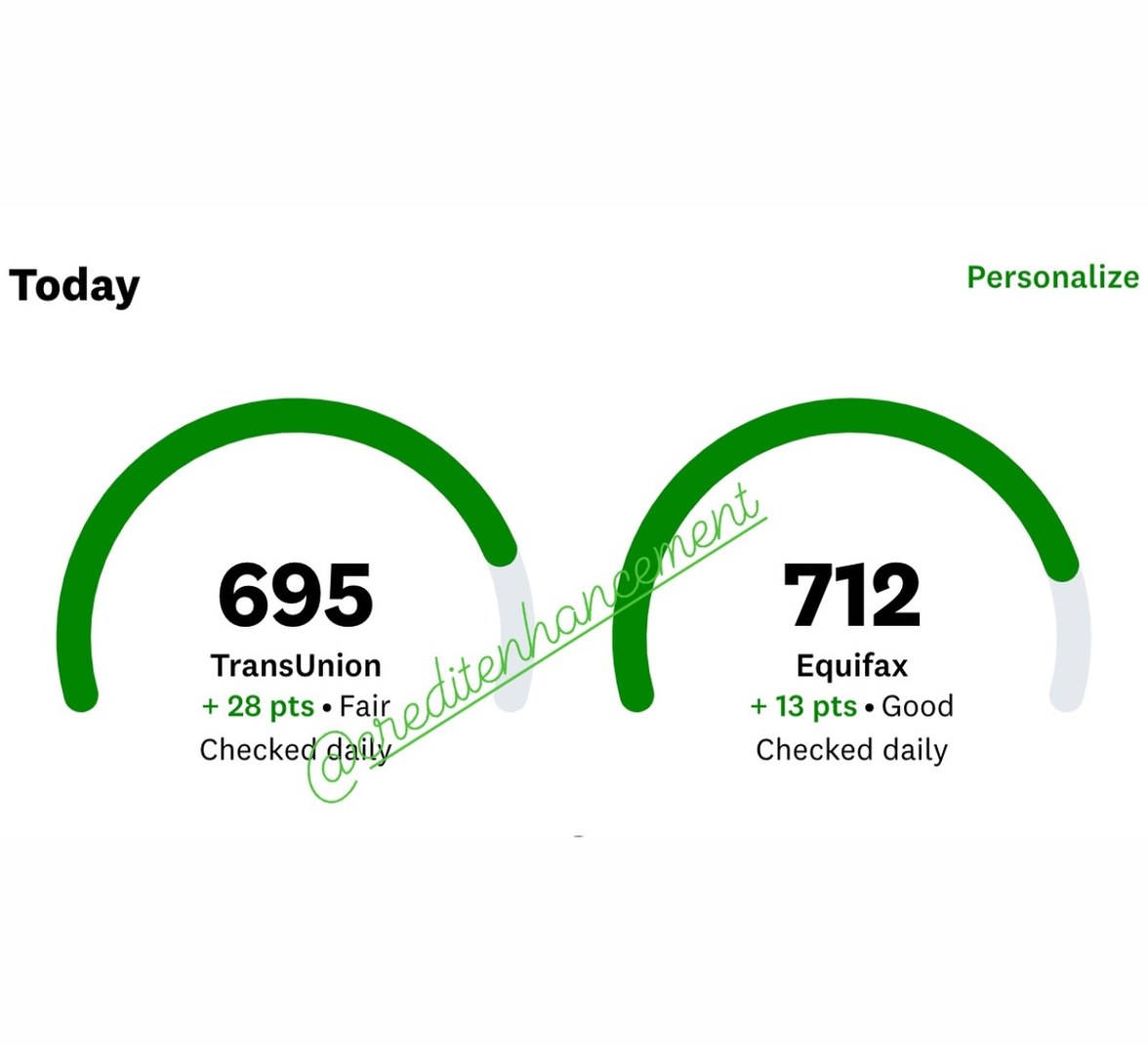
El Paso credit repair result: TransUnion score of 695 and Equifax score of 712

TransUnion 695, Equifax 712

A client's scores in February 2024: TransUnion 695, up 28 points, and Equifax 712, up 13 points.

See it on Instagram →

El Paso credit repair result: FICO scores across all three bureaus in the 750s

FICO scores in the 750s at all three bureaus

A client's FICO scores in October 2020: Experian 769, Equifax 755, and TransUnion 758.

See it on Instagram →

Results vary from person to person and depend on what is in each credit file. Nothing here promises a particular score increase or deletion.

See the Collections You Could Negotiate for a Dollar

One dollar opens all three reports — Equifax, Experian, TransUnion — so you can see every collection account, the balance, and the dates, before you negotiate anything.

The entry on the page is the fact. Everything else is guessing.

See My Collection Accounts

$1 with MyScoreIQ gets you a week with your scores. Keeping it on costs $34.99 a month — cancel whenever you like.

El Paso Credit Repair Is Proud to Serve Texas

What Is Pay for Delete and Does It Work Questions

What is pay for delete?

Pay for delete is an agreement where you pay a collection account and the collector agrees to request deletion of the entry from your credit reports.

Does pay for delete always work?

No. Pay-for-delete is never guaranteed. The collector is not required by law to agree, and some collectors have policies against it. Get any agreement in writing before paying.

Should I get a pay-for-delete agreement in writing?

Yes, always. A verbal promise is not enough. The written agreement should state the amount, the payment date, and that the collector will request deletion from all three bureaus.

What if I pay and the collection is still on my report?

Send the collector the written agreement and dispute the entry with the bureau, including a copy of the agreement and your payment confirmation.

Is pay for delete better than settling?

A deletion is better than a settled or paid status, because the entry is gone entirely. But a settlement that reports the account as paid is still better than an unpaid collection.

Thinking About Pay for Delete? Let's Read the Collection First

Let's review your reports together. Call (915) 205-6080.

Call (915) 205-6080

Our Services in El Paso, Texas