Collections on Your Report
Collections and charge-offs stay on your reports for 7 years plus 180 days from the first missed payment. Here are the clocks for every item type, and the re-aging trap.
A collection account generally stays on your credit reports for seven years plus 180 days from the date of first delinquency on the original account. A charge-off follows the same clock: seven years plus 180 days from the date of first delinquency. The clock starts with the original missed payment, not with the date the account went to collections and not with the date you paid it.
The 180 days are a buffer the law gives the bureaus to get the item reported. In practice, most people see collections and charge-offs fall off at about the seven-year mark. The exact date depends on the date of first delinquency, which is the single most important date on your file for these items.
The trap to watch for is re-aging. Re-aging is when a collection agency reports its own purchase date as the date of first delinquency, instead of the original missed payment date. That makes the item look newer than it is, and it can keep the item on your reports longer than the law allows. The date of first delinquency belongs to the original account, and no collector can move it by buying the debt.
If a collection shows a date of first delinquency that does not match the original account, dispute it. The bureau must investigate, and the furnisher must provide the correct date. A re-aged collection is one of the clearest dispute angles there is.
If this guide helped, these pages go deeper on the topics that usually come up next.
These are actual results from past clients, previously shared on Instagram. Every credit file is different, so treat these as examples of what the process can look like, not as a promise of what yours will do.

A client's WalletHub score rose 28 points, from 667 to 695, between February 3 and February 4, 2024.
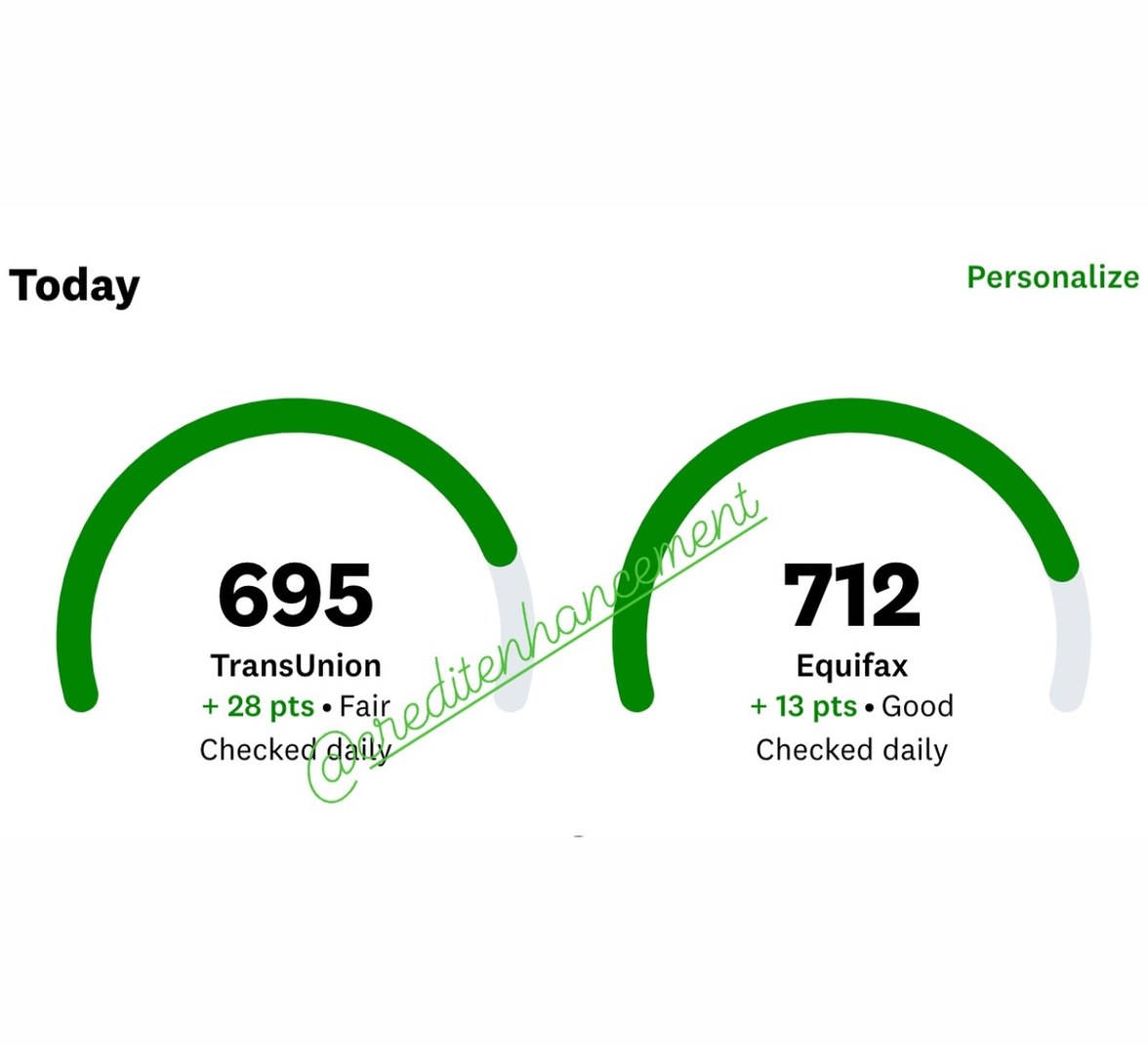
A client's scores in February 2024: TransUnion 695, up 28 points, and Equifax 712, up 13 points.
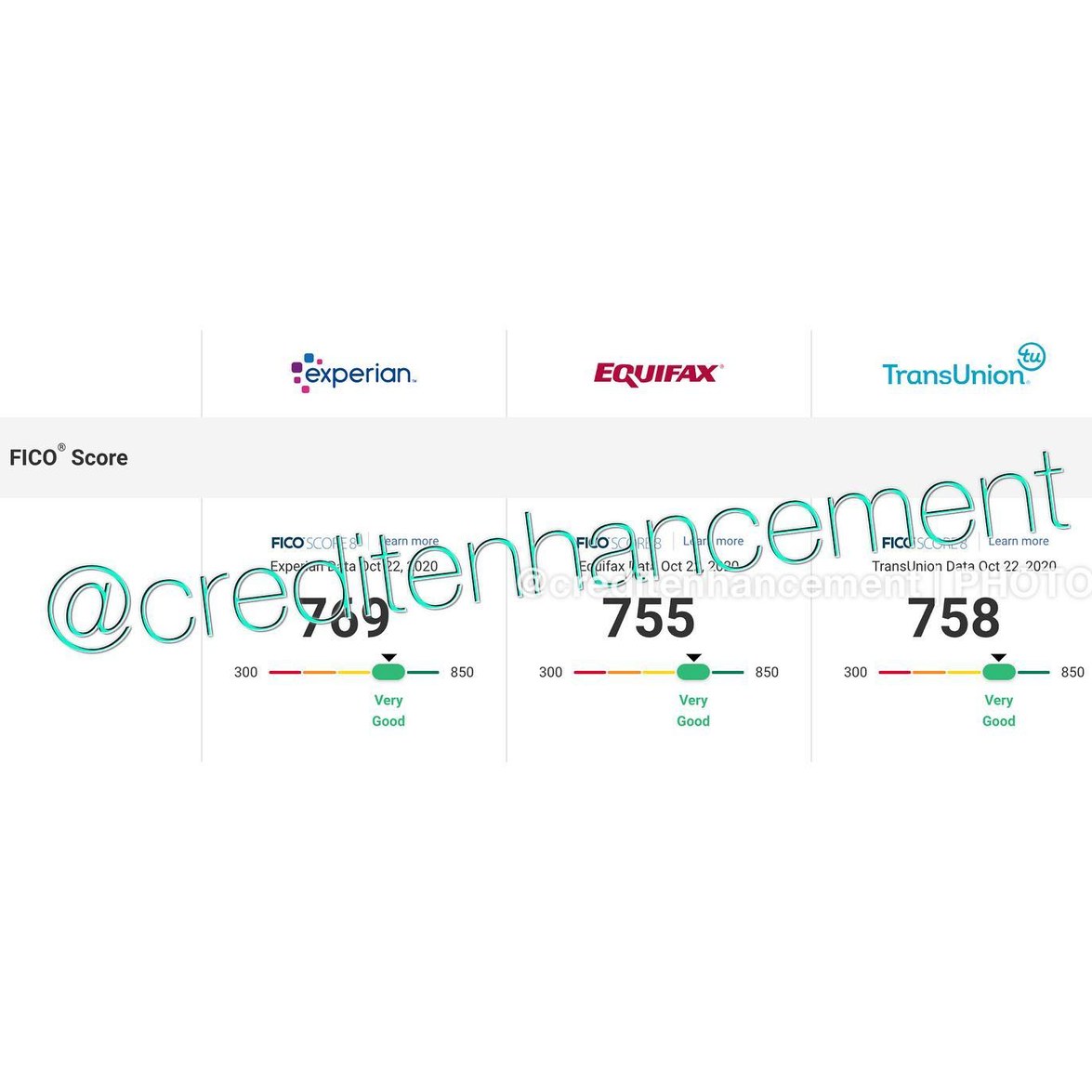
A client's FICO scores in October 2020: Experian 769, Equifax 755, and TransUnion 758.
Results vary from person to person and depend on what is in each credit file. Nothing here promises a particular score increase or deletion.
You can't fix what you can't see. Read your scores and entries from all three bureaus side by side and find out what is actually on your reports.
The entry on the page is the fact. Everything else is guessing.
$1 with MyScoreIQ gets you a week with your scores. Keeping it on costs $34.99 a month — cancel whenever you like.
Collections on Your Report can look different from one report to the next. We help you understand the details and spot accuracy problems.
From the date of first delinquency on the original account. Paying the collection does not restart the clock.
A charge-off is an account the creditor wrote off as a loss. It follows the same clock as a collection, from the same start date.
A single late payment stays for seven years from the date it happened. A series of late payments each has its own date.
A Chapter 13 bankruptcy generally stays for 7 years. A Chapter 7 generally stays for 10 years.
A paid judgment generally stays for 7 years from the filing date. Tax liens generally stay for 7 years from the date they are paid.
A hard inquiry stays on your reports for two years, though it usually only affects your score for the first year.
A Collections on Your Report entry feels personal, but on a report it is just data — dates, amounts, and a status. We help you read it as data first.
The same account can look different on each bureau. We help you check all three before you act on any one of them.
We explain dispute options, what records to keep, and practical habits that help you stay current going forward.
It is on your credit reports, usually listed as the date of first delinquency or the date the account first went past due. That date starts the clock.
Each bureau can show a different date for the same account. An error on one bureau's file does not fix itself on the others.
When a debt is sold to a new collector, check that the date of first delinquency did not move. If it did, dispute it.
An item past its reporting period should be removed. If it is still there, dispute it with the bureau.
Generally seven years plus 180 days from the date of first delinquency on the original account. Paying the collection does not restart the clock.
A charge-off follows the same clock as a collection: seven years plus 180 days from the date of first delinquency.
Re-aging is when a collector reports its own purchase date as the date of first delinquency instead of the original missed payment date. It can keep an item on your reports longer than the law allows, and it is a dispute angle.
No. Paying changes the status to paid, but the item stays for its full reporting period unless it is inaccurate, unverifiable, or removed by agreement.
A late payment stays for seven years from the date it happened. Each late payment has its own date and its own clock.
Let's look at your reports together and find the moves that will actually help — and the ones that won't. Call (915) 205-6080.