Texas Debt Limitations
In Texas you generally cannot be sued on most consumer debt after 4 years. That is a different clock from the 7-year credit reporting clock, and confusing them is the classic error.
The statute of limitations is a deadline for lawsuits, not for credit reports. In Texas, a creditor or debt buyer generally has four years to sue you on most consumer debt, under Texas Civil Practice and Remedies Code Section 16.004. After four years from the date the debt became due, the debt is time-barred, which means a lawsuit filed after that point can be dismissed.
This is legal information, not legal advice. The rules have exceptions, and the exact date a debt became due can be disputed. If you are being sued, or if a collector is threatening to sue, talk to a consumer attorney. This page explains the clocks, not your case.
The mistake people make is mixing up the two clocks. The four-year clock decides whether you can be sued. The seven-year clock decides how long the item can stay on your credit reports. A debt can be too old to sue over and still on your reports. A debt can also fall off your reports while a lawsuit is still possible, though that is less common.
Another thing to know is that the four-year clock is a defense, not a shield that works on its own. If a collector sues you on a time-barred debt and you do not show up or do not raise the defense, the court can still enter a judgment. A time-barred debt is only protected if you assert the defense.
If this guide helped, these pages go deeper on the topics that usually come up next.
These are actual results from past clients, previously shared on Instagram. Every credit file is different, so treat these as examples of what the process can look like, not as a promise of what yours will do.

A client's WalletHub score rose 28 points, from 667 to 695, between February 3 and February 4, 2024.
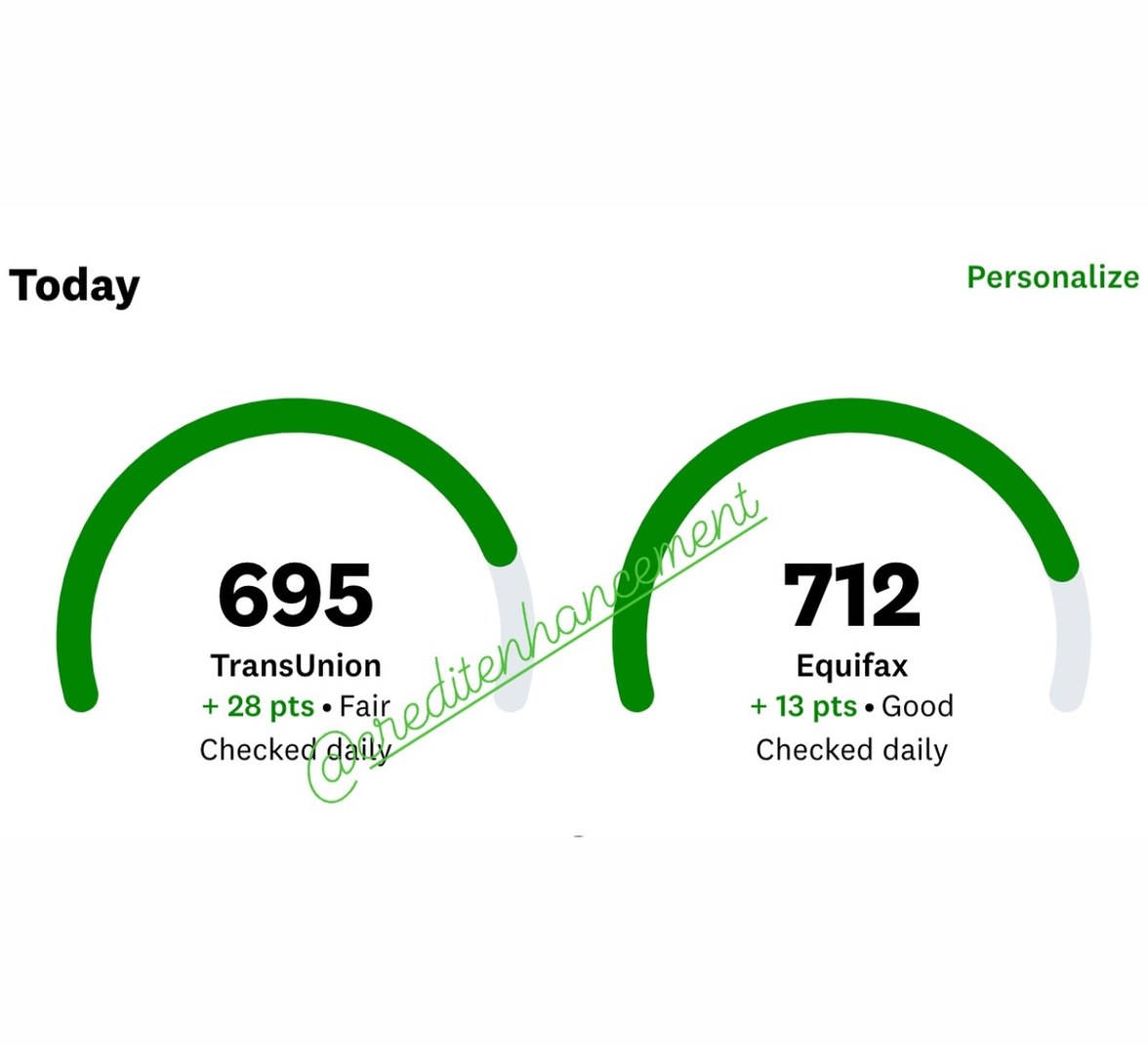
A client's scores in February 2024: TransUnion 695, up 28 points, and Equifax 712, up 13 points.

A client's FICO scores in October 2020: Experian 769, Equifax 755, and TransUnion 758.
Results vary from person to person and depend on what is in each credit file. Nothing here promises a particular score increase or deletion.
You can't fix what you can't see. Read your scores and entries from all three bureaus side by side and find out what is actually on your reports.
The entry on the page is the fact. Everything else is guessing.
$1 with MyScoreIQ gets you a week with your scores. Keeping it on costs $34.99 a month — cancel whenever you like.
Texas Debt Limitations can look different from one report to the next. We help you understand the details and spot accuracy problems.
Credit card debt, personal loans, and most other consumer debt generally carry a four-year limit for a lawsuit in Texas, under Section 16.004.
The four years generally run from the date of the last payment or the date the account went into default, depending on the debt.
Under Texas Finance Code Section 392.307, a payment on a debt-buyer account does not restart the limitations period. A collector cannot revive a time-barred debt by getting you to pay a small amount.
The statute of limitations stops lawsuits. It does not erase the debt, and collectors can still ask you to pay it. They must tell you the debt is time-barred if they do.
The seven-year credit reporting clock runs from the date of first delinquency on the original account. It is a different deadline from the four-year lawsuit clock.
A Texas Debt Limitations entry feels personal, but on a report it is just data — dates, amounts, and a status. We help you read it as data first.
The same account can look different on each bureau. We help you check all three before you act on any one of them.
We explain dispute options, what records to keep, and practical habits that help you stay current going forward.
The reporting clock runs from the original missed payment. The lawsuit clock runs from when the debt became due. Both dates matter.
Since 2019, a payment does not restart the Texas lawsuit clock on debt-buyer accounts, but it can still affect other things. Get advice before paying an old debt.
If you are sued, respond. A time-barred debt is a defense you must raise. Ignoring the suit can lead to a judgment.
Old statements, payment records, and collector letters are the proof of when a debt became due.
Generally four years to sue on most consumer debt, under Texas Civil Practice and Remedies Code Section 16.004. After four years, the debt is time-barred and a lawsuit can be dismissed.
Since 2019, a payment does not restart the limitations period on debt-buyer accounts in Texas, under Finance Code Section 392.307. The rule is specific to debt buyers, and the details matter, so get advice before paying an old debt.
The lawsuit clock is four years in Texas and decides whether you can be sued. The reporting clock is seven years from the date of first delinquency and decides how long the item can stay on your credit reports. They are different deadlines.
Yes. The statute of limitations stops lawsuits, not collection attempts. Collectors must tell you the debt is time-barred if they try to collect it.
No. This is general information about Texas law. If you are being sued or threatened with a lawsuit, talk to a consumer attorney about your specific situation.
Let's look at your reports together and find the moves that will actually help — and the ones that won't. Call (915) 205-6080.