Buying a House After Bankruptcy
A bankruptcy does not end homeownership. FHA allows a loan 2 years after a Chapter 7 discharge, and during Chapter 13 after 12 months of on-time payments.
A bankruptcy stays on your credit reports for years, but it does not lock you out of buying a house forever. Government-backed loan programs have set waiting periods after bankruptcy, and the shortest ones belong to FHA loans. If you are past the waiting period and your credit since the bankruptcy is clean, a mortgage is a real possibility.
The waiting periods below are the program rules as of late 2026, and they can change. Check the current rules with your lender before you plan around them, and remember that meeting the waiting period is only the first requirement. Lenders also look at your credit since the bankruptcy, your income, and your debts.
A lender doesn't see your paycheck, it sees your file. Your credit decides whether you get the keys and at what rate — for a car, the approval and the monthly payment; for a house, whether the loan is approved at all. The problem usually isn't income, it's access.
That's why the work on the file matters before the application, not after a denial. Reading your reports, challenging what is inaccurate, and paying down the balances that weigh the score down most is what turns a denial into an approval with terms you can live with.
Conventional loans have longer waits than FHA: usually 4 years after a Chapter 7 discharge, and 2 years after a Chapter 13 discharge. VA loans allow 2 years after Chapter 7, and USDA allows 3 years. FHA is usually the fastest path back, which is why it is the first option most people look at after bankruptcy.
The other thing to know is that the bankruptcy itself is not the only thing on your file. Accounts that were included in the bankruptcy should show a zero balance and a discharged status. If any of them still show a balance, or show as open and past due, that is an error worth disputing. A clean post-bankruptcy file is what gets you approved, not just the passage of time.
If this guide helped, these pages go deeper on the topics that usually come up next.
These are actual results from past clients, previously shared on Instagram. Every credit file is different, so treat these as examples of what the process can look like, not as a promise of what yours will do.

A client's WalletHub score rose 28 points, from 667 to 695, between February 3 and February 4, 2024.
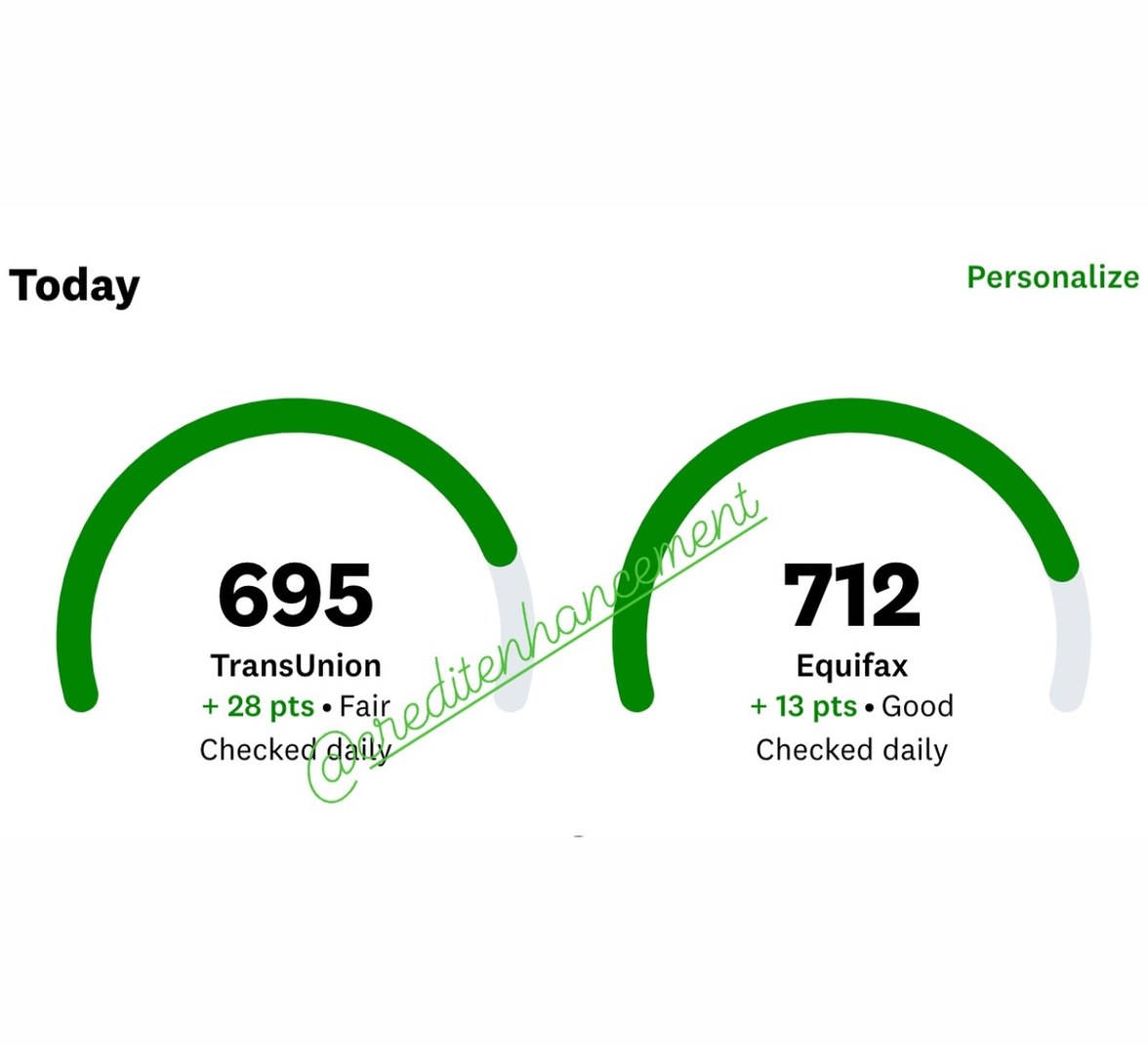
A client's scores in February 2024: TransUnion 695, up 28 points, and Equifax 712, up 13 points.
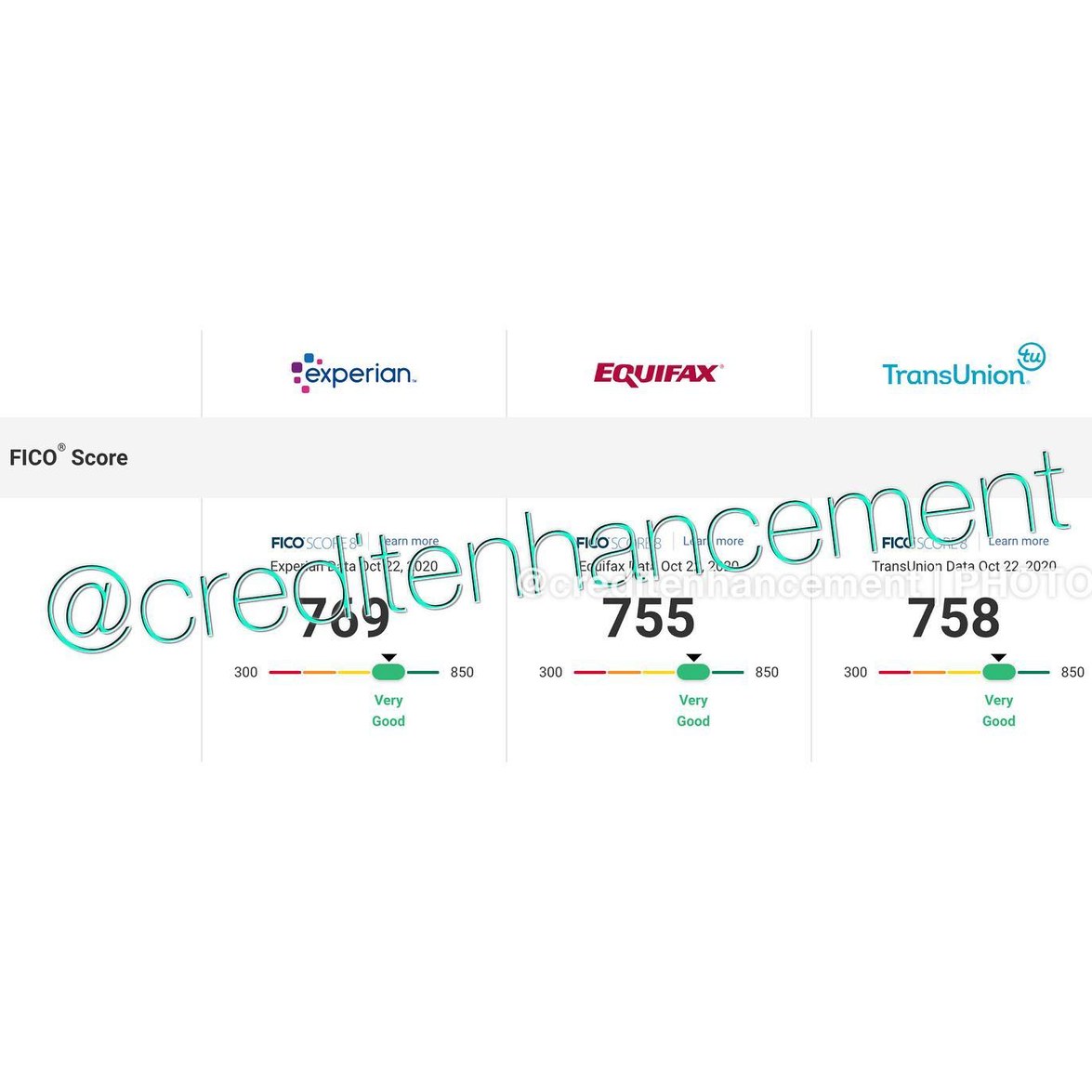
A client's FICO scores in October 2020: Experian 769, Equifax 755, and TransUnion 758.
Results vary from person to person and depend on what is in each credit file. Nothing here promises a particular score increase or deletion.
You can't fix what you can't see. Read your scores and entries from all three bureaus side by side and find out what is actually on your reports.
The entry on the page is the fact. Everything else is guessing.
$1 with MyScoreIQ gets you a week with your scores. Keeping it on costs $34.99 a month — cancel whenever you like.
Buying a House After Bankruptcy can look different from one report to the next. We help you understand the details and spot accuracy problems.
FHA allows a loan 2 years after a Chapter 7 discharge. If the bankruptcy was caused by circumstances beyond your control, the wait can be reduced to 12 months.
FHA allows a loan while you are still in a Chapter 13 plan, after 12 months of on-time plan payments, with written permission from the bankruptcy court.
Once your Chapter 13 plan is discharged, FHA generally imposes no additional waiting period, though lenders may still look closely at your file.
On-time payments on every account, low balances, and no new negative marks are what lenders want to see after a bankruptcy.
FHA allows a down payment as low as 3.5 percent with a score of 580 or higher. A score of 500 to 579 generally requires 10 percent down.
A lender can tell you exactly where you stand, what to fix, and when you will be ready to apply.
A Buying a House After Bankruptcy entry feels personal, but on a report it is just data — dates, amounts, and a status. We help you read it as data first.
The same account can look different on each bureau. We help you check all three before you act on any one of them.
We explain dispute options, what records to keep, and practical habits that help you stay current going forward.
An included account that still shows a balance is an error. Dispute it with the bureau and the furnisher.
A late payment after bankruptcy hurts more than one before it, because lenders expect the fresh start to hold.
FHA needs 3.5 percent down with a 580 score, or 10 percent with a 500 to 579 score. Saving during the waiting period is the plan.
A mortgage lender can read your file and tell you what is actually holding you back, which is often not what you expect.
With an FHA loan, 2 years after a Chapter 7 discharge, or during Chapter 13 after 12 months of on-time plan payments with court approval. Conventional loans usually take 4 years after Chapter 7.
Yes. FHA allows a loan 2 years after a Chapter 7 discharge, or during Chapter 13 after 12 months of on-time payments with court permission. The waiting period can be shorter if the bankruptcy was caused by circumstances beyond your control.
FHA allows a 3.5 percent down payment with a score of 580 or higher. A score of 500 to 579 generally requires 10 percent down. Lenders may set their own minimums above the program floor.
A Chapter 7 bankruptcy generally stays on your reports for 10 years, and a Chapter 13 for 7 years. The waiting period for a mortgage is much shorter than the reporting period.
It can be. Lenders price risk, and a bankruptcy in your history can mean a higher rate, especially soon after the waiting period ends. Rebuilding your credit during the wait helps.
Let's look at your reports together and find the moves that will actually help — and the ones that won't. Call (915) 205-6080.