Rebuilding
The Discharge Is the Starting Line, Not the Finish
A bankruptcy discharge wipes the slate clean on the debts it covers, but it does not build a new credit history by itself. Rebuilding after bankruptcy is a practical process with a clear order: check the reports, open the right first accounts, and let on-time payments stack up month after month. This guide lays out that order.
Before you open a single new account, pull all three reports at annualcreditreport.com, the official site, and check every account that was included in the bankruptcy. Each discharged account should show a zero balance and a discharged or included-in-bankruptcy status. An account that still shows a balance or ongoing late payments is a reporting error, and it will hold you back until it is fixed.
Dispute any errors with the bureau and with the creditor. Experian: P.O. Box 4500, Allen TX 75013. Equifax: P.O. Box 740256, Atlanta GA 30374. TransUnion: P.O. Box 2000, Chester PA 19016. Bureaus generally have 30 days to investigate. Include a copy of the discharge order when the error involves a discharged account.
In El Paso, people rebuilding after bankruptcy often find the same handful of errors: a discharged credit card still showing a balance, a car loan that was surrendered still showing as open, or a medical account that was discharged still showing as a collection. Fixing those first makes every step after it work better.
Dispute any discharged account that still shows a balance or late payments. A clean post-bankruptcy file is the foundation for everything else.
A secured card is the usual first account after bankruptcy. Put down a deposit, use it for a small purchase each month, and pay it in full. Confirm the issuer reports to all three bureaus.
A credit-builder loan from a local credit union adds an installment account to your file and reports on-time payments each month.
Payment history is the largest factor in most scoring models. Set up autopay for at least the minimum on every account, including utilities that report.
Use a small part of each credit limit and pay it off monthly. Low balances relative to your limits help your file recover faster.
Each application adds a hard inquiry. Open one account, use it well for six months, and then consider a second.
Rebuilding after bankruptcy is measured in months and years, not weeks. A Chapter 7 bankruptcy is generally reported for up to 10 years and a Chapter 13 for up to seven, but the effect fades as new, positive history piles up. Many people see meaningful improvement within the first year or two, because scoring models weigh recent behavior heavily.
Be careful with offers that target people after bankruptcy. High-fee cards, costly credit repair promises, and loans with steep terms are common, and some are worse than waiting. A secured card from a reputable issuer and a credit-builder loan from a local credit union are usually the better first steps, and they cost far less.
The people who rebuild fastest after bankruptcy in El Paso tend to do the same things: fix the discharged accounts first, open one starter account, pay on time without exception, and keep balances low. If you would like help checking your post-bankruptcy reports and planning the first steps, call El Paso Credit Repair at (915) 205-6080.
These are actual results from past clients, previously shared on Instagram. Every credit file is different, so treat these as examples of what the process can look like, not as a promise of what yours will do.
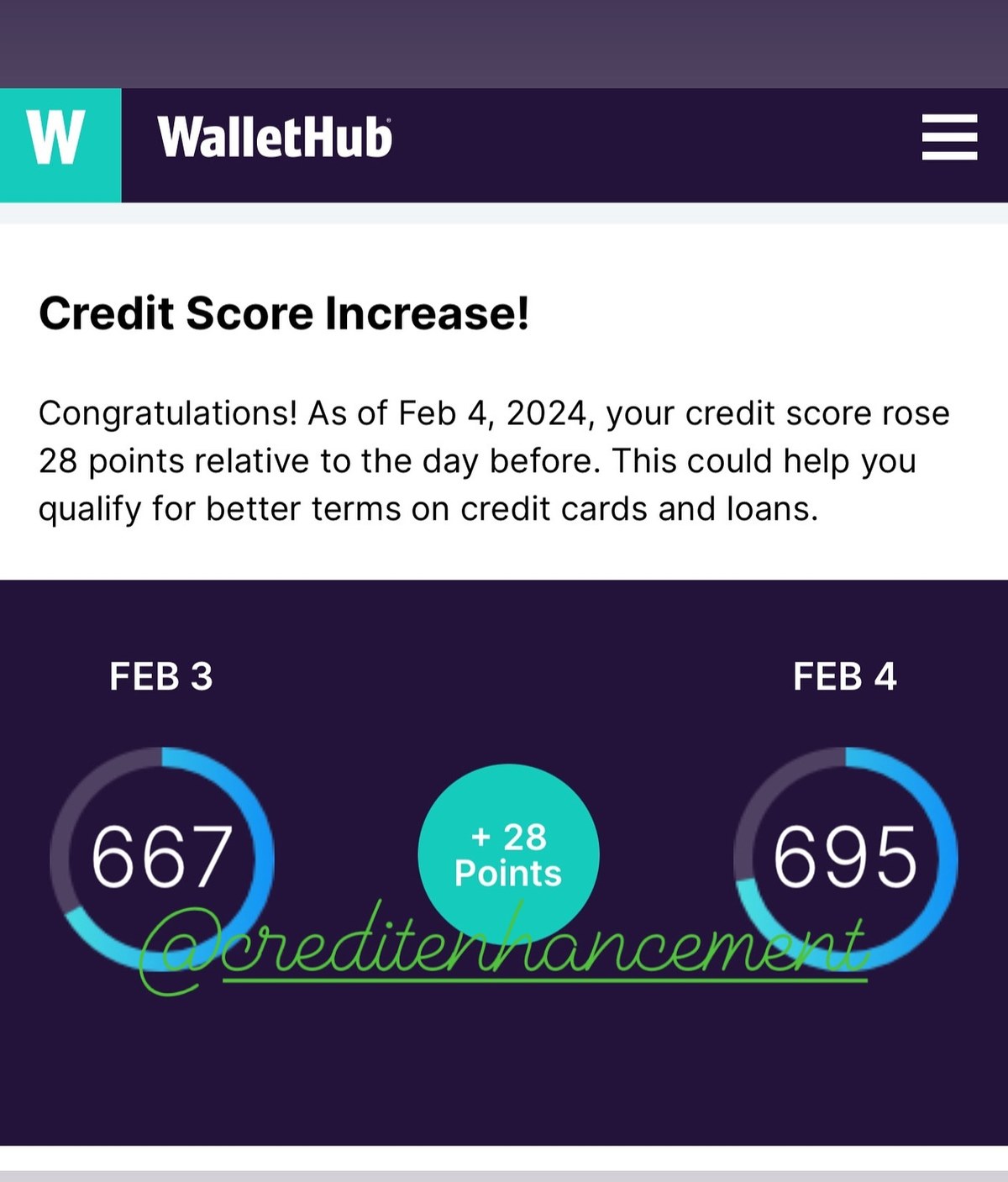
A client's WalletHub score rose 28 points, from 667 to 695, between February 3 and February 4, 2024.
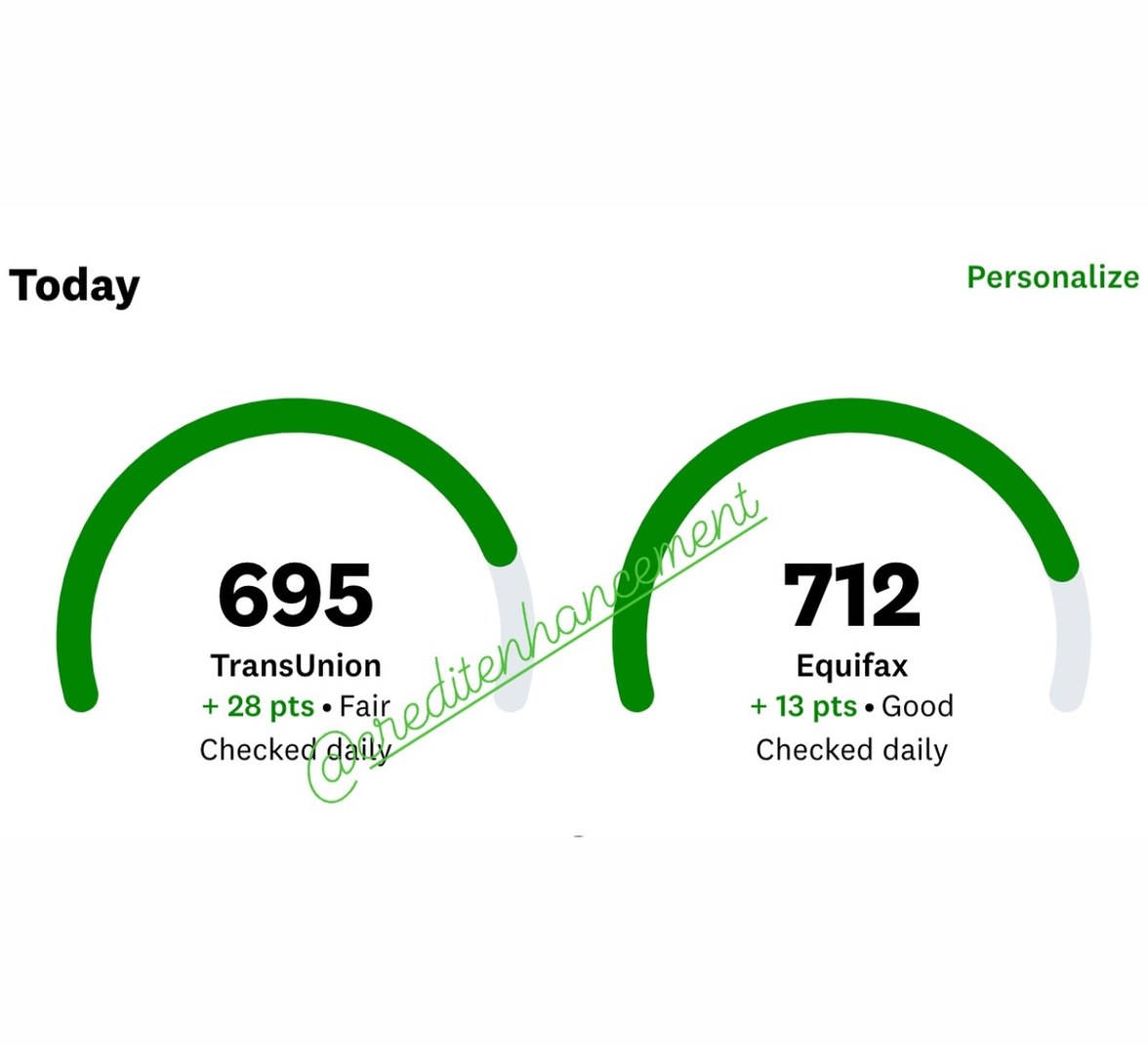
A client's scores in February 2024: TransUnion 695, up 28 points, and Equifax 712, up 13 points.
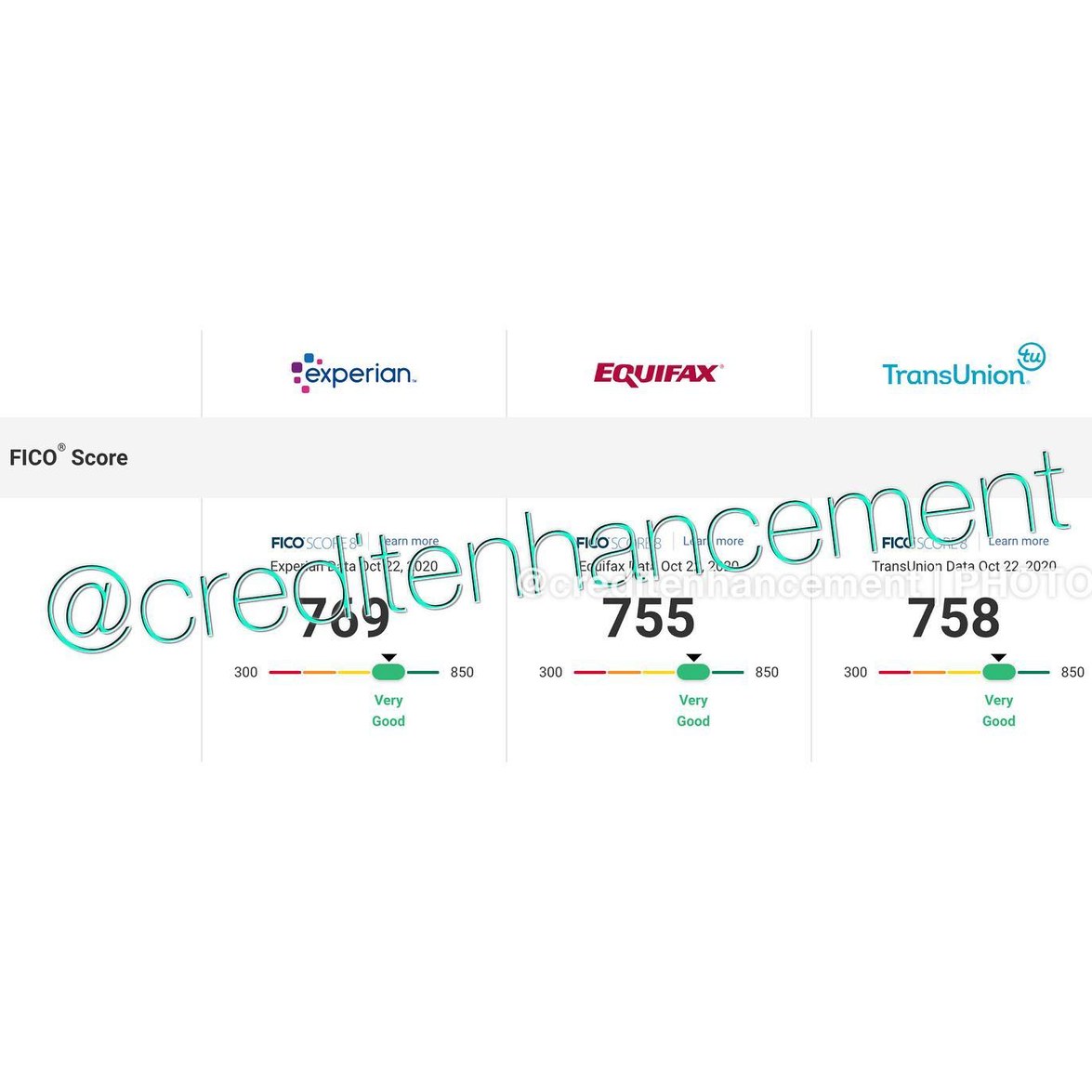
A client's FICO scores in October 2020: Experian 769, Equifax 755, and TransUnion 758.
Results vary from person to person and depend on what is in each credit file. Nothing here promises a particular score increase or deletion.
One dollar opens all three reports — Equifax, Experian, TransUnion — so you can see how the bankruptcy and each discharged account are reported, before you start rebuilding.
The entry on the page is the fact. Everything else is guessing.
$1 with MyScoreIQ gets you a week with your scores. Keeping it on costs $34.99 a month — cancel whenever you like.
Many people can open a secured card soon after discharge. An unsecured card usually takes longer, and the terms improve as your post-bankruptcy history grows.
Improvement often starts within the first year, with meaningful progress over one to two years of on-time payments. The bankruptcy itself stays on the report for up to 10 years for Chapter 7 and up to seven years for Chapter 13.
A secured card is usually the best first account after bankruptcy. It reports on-time payments to the bureaus and gives you a controlled way to rebuild.
That is a common reporting error. A discharged account should show a zero balance. Dispute it with the bureau and include a copy of the discharge order if needed.
Yes, though different loan programs have different waiting periods after bankruptcy. A clean post-bankruptcy history and a solid down payment will help when you apply.
Let's review your reports together. Call (915) 205-6080.