Timelines
Honest Timelines, Not Promises
How long does credit repair take? It is the question almost everyone asks first, and the honest answer is that it depends on what is in your file and what needs to change. Some fixes take a month. Some take a year or more. This guide explains the timelines that actually apply, so you can plan with real expectations.
The fastest part of credit repair is the dispute process itself. When you dispute an entry, the bureau generally has 30 days to investigate and send you the results. If the entry is corrected or removed, the change usually appears on your report within a few weeks of the investigation closing. A single round of disputes on a few clear errors can therefore show results in about one to two months.
But most files need more than one round. A correction at one bureau does not always carry to the others, so the same error may need to be disputed separately at Equifax, Experian, and TransUnion. A bureau may verify an entry the first time and correct it on a second dispute with stronger documentation. A realistic dispute process often runs three to six months for a file with several errors.
Then there are the entries that cannot be disputed away: accurate late payments, collections, and charge-offs that stay for about seven years, and a Chapter 7 bankruptcy that stays for up to 10 years. Those entries age and fade, but they do not disappear on a dispute timeline. The work there is different: build a clean recent history that outweighs the old marks.
A file with two errors moves faster than a file with twenty. Each error needs its own dispute, its own documentation, and its own 30-day investigation.
An error on one report is one dispute. The same error on all three reports is three disputes, and the results can differ from bureau to bureau.
A dispute with bank statements and payment confirmations moves faster and succeeds more often than a dispute with no proof attached.
Inaccurate entries can be challenged. Accurate entries generally stay for the full reporting period, and the timeline becomes one of aging and rebuilding.
On-time payments, low balances, and no new applications build the recent history that scoring models weigh most heavily. That part takes months, and there is no shortcut.
Negotiating a settlement or a pay-for-delete agreement takes time on its own, and any agreement should be in writing before you pay.
In the first month, you pull your reports, find the errors, and send the first disputes. In the second month, the first results come back, and you send follow-up disputes where needed. Over the next few months, corrections land, and you start the rebuilding habits: on-time payments, low balances, and a secured card if you need one. Over six to twelve months, the corrected file and the clean recent history start to show in your scores.
Be wary of anyone who promises a specific score increase or a specific timeline. No one can promise a score outcome or a removal date for an accurate item, because the bureaus and the scoring models make those decisions, not a repair company. What a good process can promise is thoroughness: every error found, every dispute filed with documentation, and every result checked on all three reports.
If you are in El Paso and wondering how long your file will take, the answer starts with reading the file. El Paso Credit Repair can go through your reports with you and give you an honest read on the timeline. Call (915) 205-6080.
These are actual results from past clients, previously shared on Instagram. Every credit file is different, so treat these as examples of what the process can look like, not as a promise of what yours will do.

A client's WalletHub score rose 28 points, from 667 to 695, between February 3 and February 4, 2024.
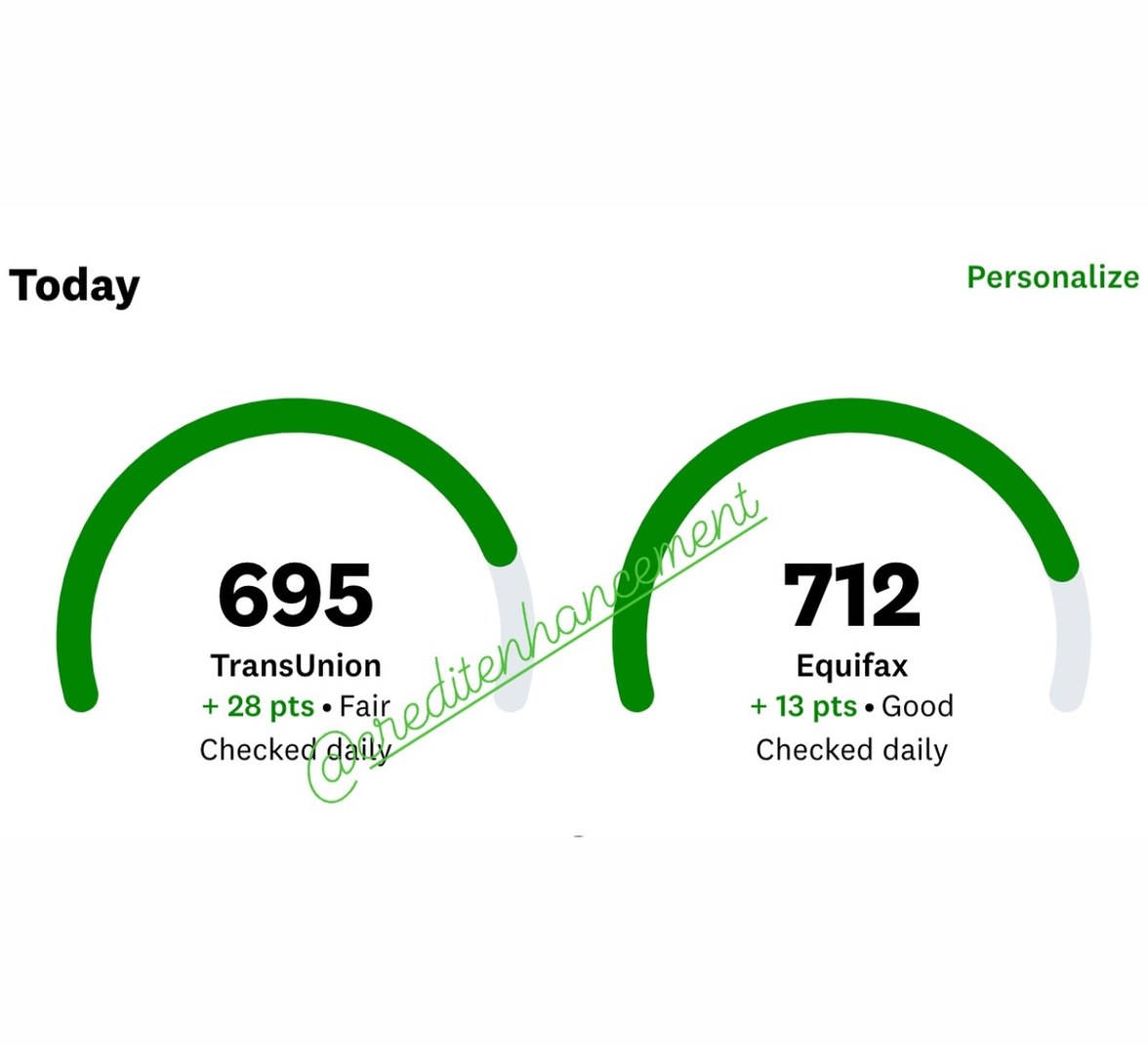
A client's scores in February 2024: TransUnion 695, up 28 points, and Equifax 712, up 13 points.
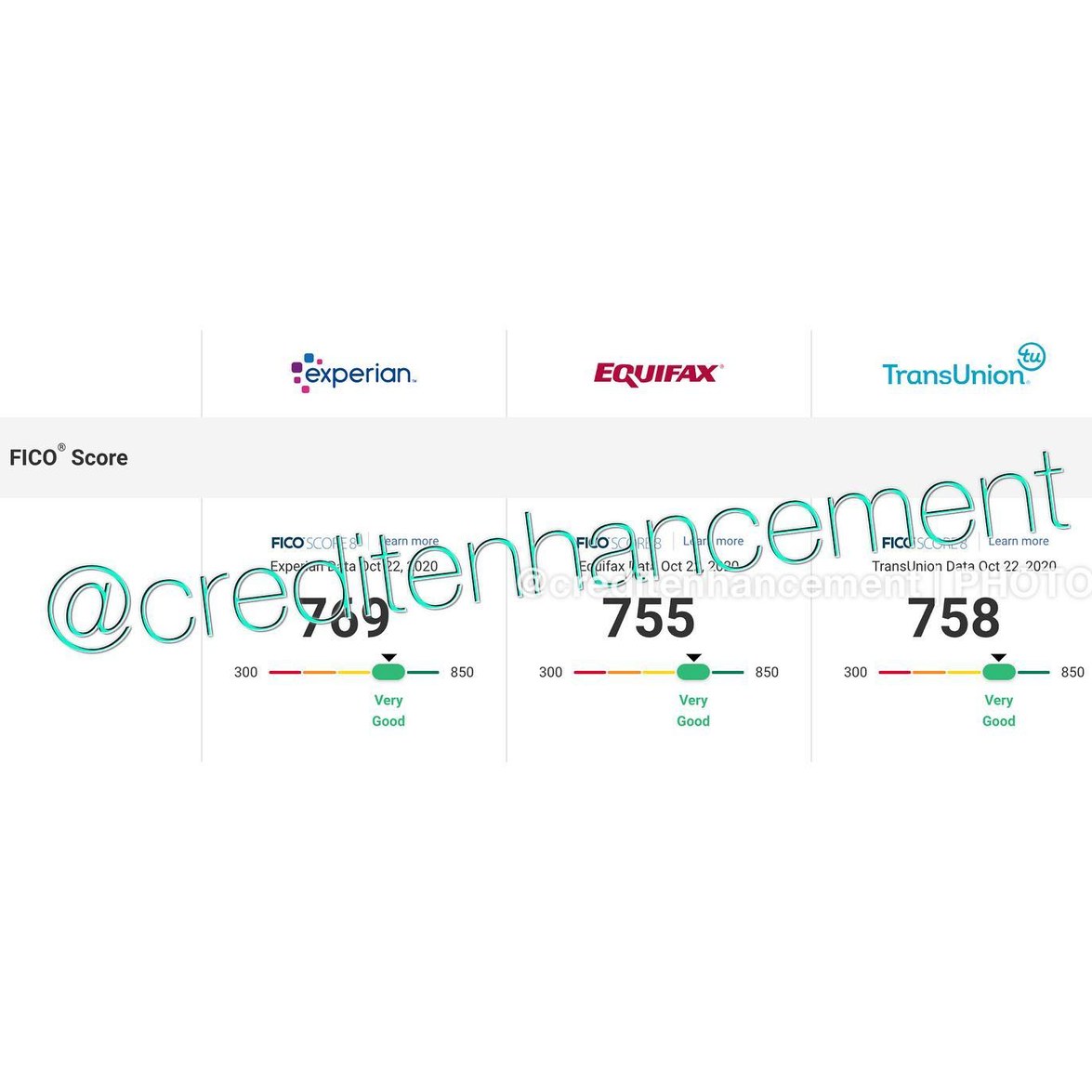
A client's FICO scores in October 2020: Experian 769, Equifax 755, and TransUnion 758.
Results vary from person to person and depend on what is in each credit file. Nothing here promises a particular score increase or deletion.
One dollar opens all three reports — Equifax, Experian, TransUnion — so you can see every entry that needs attention, before you decide on a timeline.
The entry on the page is the fact. Everything else is guessing.
$1 with MyScoreIQ gets you a week with your scores. Keeping it on costs $34.99 a month — cancel whenever you like.
It depends on the file. A single round of disputes generally takes 30 days to investigate, and a full process with several errors often runs three to six months. Accurate entries stay for their full reporting period, and rebuilding takes longer.
Bureaus generally have 30 days to investigate a dispute and send you the results.
Some errors can be corrected in one dispute round, but most files need more than one round, and accurate negative entries cannot be removed early. A 30-day promise for a full repair is not realistic.
Most negative items stay for about seven years from the date of first delinquency. A Chapter 7 bankruptcy can stay for up to 10 years. Hard inquiries stay for about two years.
Strong documentation, disputing with all three bureaus, following up on results, and building a clean recent history with on-time payments and low balances.
Let's review your reports together. Call (915) 205-6080.