Judgments & Liens
Judgments and Liens Have Changed — Check What Is Actually There
Judgments and tax liens used to be a standard part of credit reports. That changed: the bureaus now generally do not report most civil judgments and tax liens, because the public record data was often incomplete or mismatched. But older entries, errors, and related collection accounts can still show up. This guide explains what to look for.
Under the bureaus' current policies, most civil judgments and tax liens are no longer reported on credit reports. The bureaus found that public record data often lacked the identifying information needed to match a judgment or lien to the right person, and mismatched entries were harming people who had nothing to do with the case. As a result, the bureaus stopped reporting most judgments and tax liens as standalone public record entries.
That does not mean a judgment or a tax lien has no effect on your credit. A judgment can still lead to a collection account if the debt is assigned to a collector, and a tax lien can still affect your ability to borrow, because a lender may find it through its own searches even if it is not on your credit report. A judgment can also lead to wage garnishment in Texas in limited circumstances, and a federal tax lien is a serious matter that should be handled with the IRS or the state tax authority directly.
In El Paso, the most common surprise is an old judgment or lien that is still showing on one bureau's report even though the others have removed it, or a collection account tied to a judgment that was already paid or vacated. Those are the entries worth checking.
Get your Equifax, Experian, and TransUnion reports at annualcreditreport.com, the official site, and note any judgment, lien, or related collection entry on each one.
Check the court, the case number, the dates, and the amount against your own records or the court file. A judgment that belongs to someone else is a mixed-file error.
Most civil judgments and tax liens are no longer reported under the bureaus' current policies. An entry that should not be there can be disputed.
A wrong amount, wrong dates, a paid or vacated judgment still showing as active, or an entry that is not yours can be disputed. Experian: P.O. Box 4500, Allen TX 75013. Equifax: P.O. Box 740256, Atlanta GA 30374. TransUnion: P.O. Box 2000, Chester PA 19016. Bureaus generally have 30 days to investigate.
If a judgment or lien is tied to a real debt, work with the creditor or the tax authority on payment or settlement. A satisfied judgment should be reported as satisfied, and a released lien should be reported as released.
A collection account tied to a paid or vacated judgment should reflect that. Dispute it with the payment or vacatur paperwork if it does not.
A judgment that has been paid or satisfied should show that status, and a judgment that has been vacated should not be reported as active. If the entry still shows the old status after you have the paperwork, dispute it with the bureau and include the satisfaction or vacatur order. A tax lien that has been released or withdrawn should likewise be updated, and the IRS or state tax authority can provide the release documentation.
Be careful about promises to remove an accurate judgment or lien early. No one can promise removal of an accurate item, and the reporting rules for judgments and liens are set by the bureaus' policies, not by a repair company. What can be challenged is an entry that is inaccurate, incomplete, past its reporting period, or no longer reportable under the current rules.
If a judgment or tax lien is showing on your reports in El Paso, read the entry first, check it against the court or tax records, and dispute what is wrong. El Paso Credit Repair can help you read the entry and sort out the next steps. Call (915) 205-6080.
These are actual results from past clients, previously shared on Instagram. Every credit file is different, so treat these as examples of what the process can look like, not as a promise of what yours will do.

A client's WalletHub score rose 28 points, from 667 to 695, between February 3 and February 4, 2024.
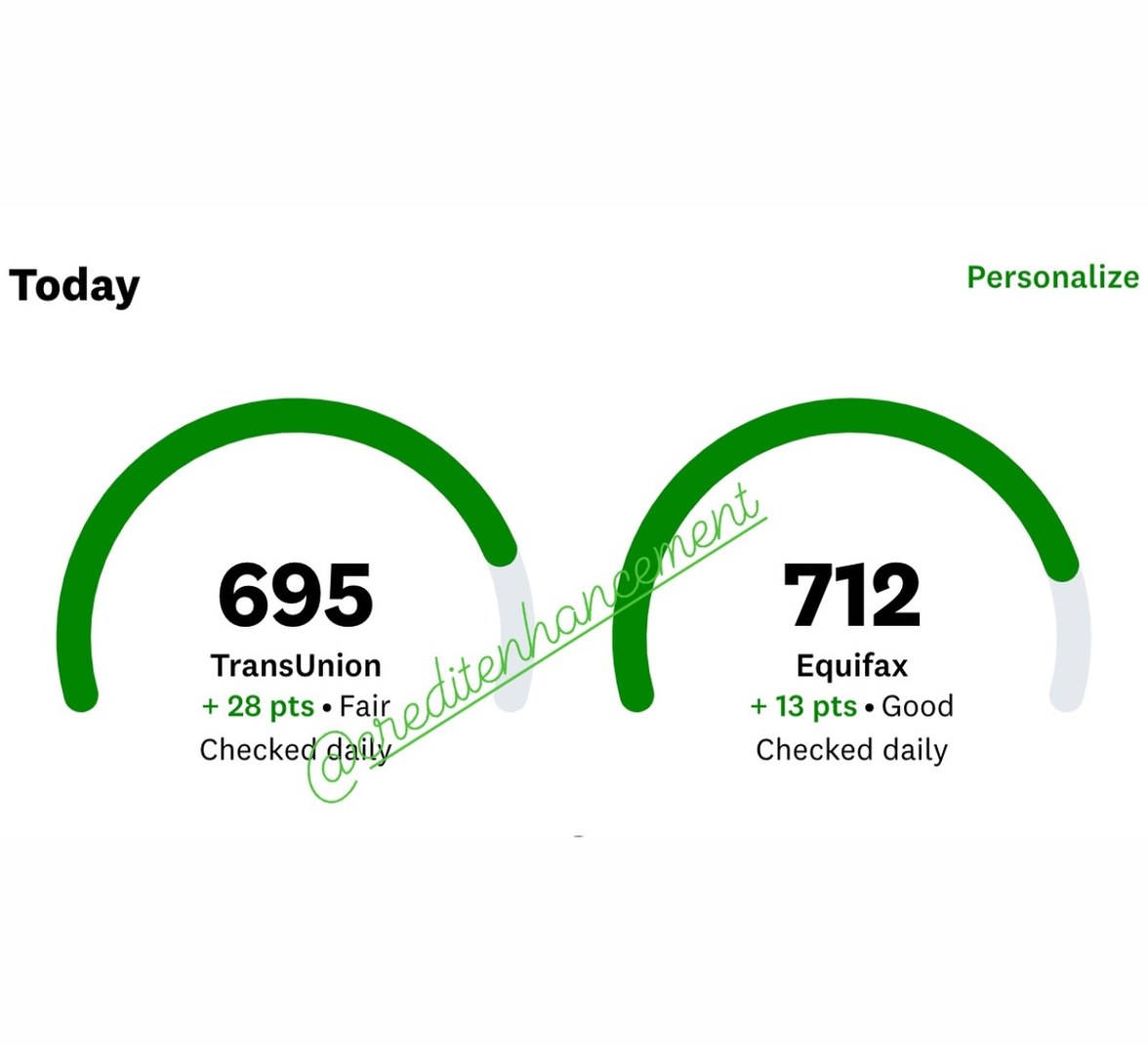
A client's scores in February 2024: TransUnion 695, up 28 points, and Equifax 712, up 13 points.
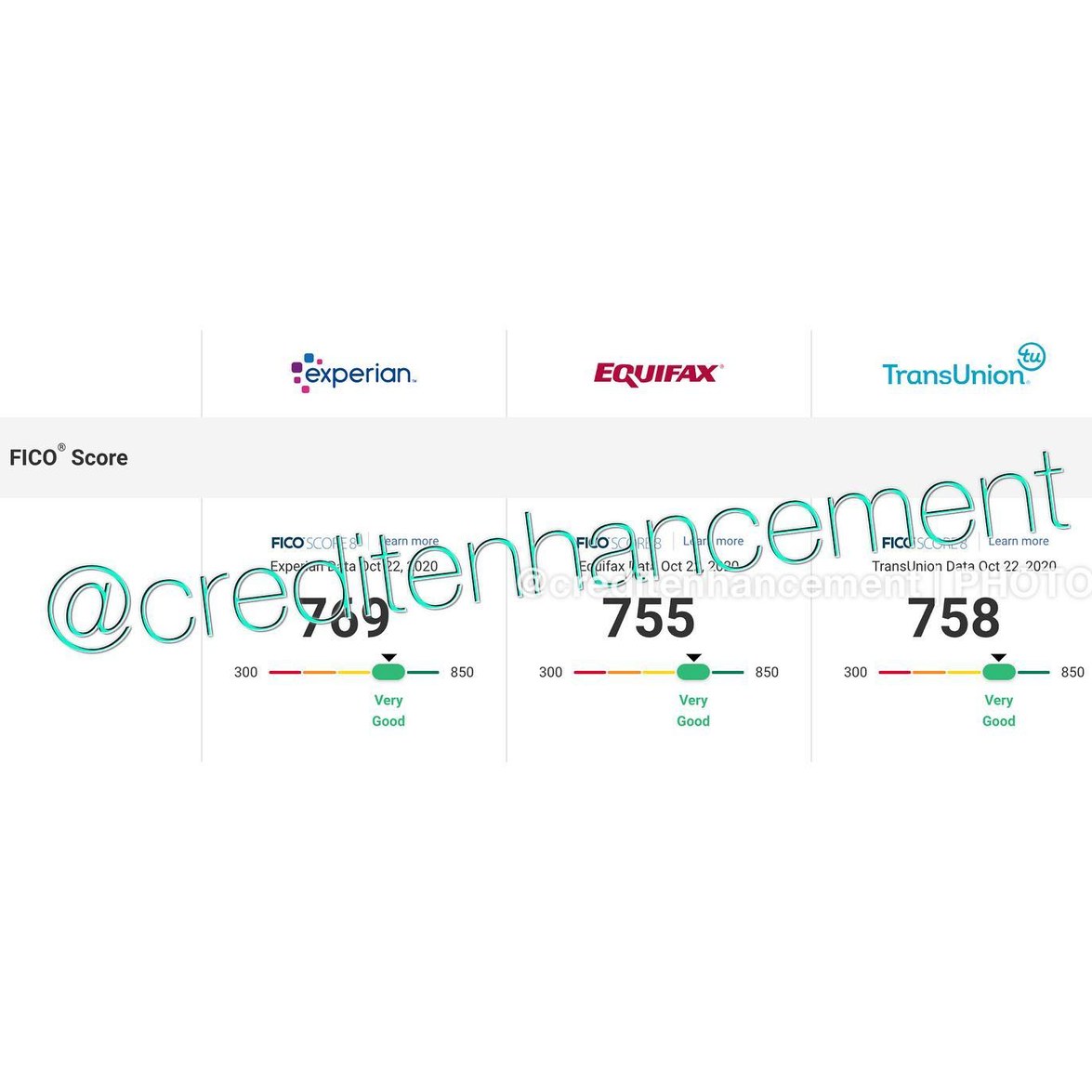
A client's FICO scores in October 2020: Experian 769, Equifax 755, and TransUnion 758.
Results vary from person to person and depend on what is in each credit file. Nothing here promises a particular score increase or deletion.
One dollar opens all three reports — Equifax, Experian, TransUnion — so you can see any judgment or tax lien entries, and the accounts connected to them, before you decide what to do about them.
The entry on the page is the fact. Everything else is guessing.
$1 with MyScoreIQ gets you a week with your scores. Keeping it on costs $34.99 a month — cancel whenever you like.
Under the bureaus' current policies, most civil judgments are no longer reported as standalone public record entries. An old judgment that is still showing can be disputed.
Most tax liens are also no longer reported under the bureaus' current policies. A tax lien can still affect borrowing, because a lender may find it through its own searches.
A judgment that is reported generally stays for about seven years from the filing date. A paid or vacated judgment should show that status.
A judgment with inaccurate information, or one that should not be reported under the current policies, can be challenged through a dispute. An accurate, reportable judgment generally stays for the full period.
Dispute the collection entry with the bureau and include the satisfaction or vacatur paperwork. The entry should reflect that the judgment was paid or vacated.
Let's review your reports together. Call (915) 205-6080.