Medical Collections
Medical Bills Become Credit Problems More Often Than They Should
A hospital visit, an emergency room bill, a lab charge you never saw — medical debt turns into a collection account more often than almost any other kind of debt, and it can land on your credit report before you even knew the bill existed. Medical collections have their own reporting rules, and those rules have changed in recent years. This guide explains them.
Medical collections are treated differently from other collections. The three bureaus have agreed to keep certain medical collections off credit reports — including paid medical collections and, under recent rules, many small medical collections. There is also a waiting period before an unpaid medical collection can appear, which gives you time to sort out a bill with the provider or your insurer.
Before you dispute or pay anything, check whether the bill itself is right. Medical billing errors are common: a charge for a service you did not receive, a bill that your insurance should have covered, a duplicate charge, or a bill sent to the wrong address. Ask the provider for an itemized bill and compare it against your insurance explanation of benefits. If the insurer should have paid, call the insurer first.
In El Paso, medical collections often come from an emergency visit or a hospital stay, and the bill may pass through several hands before it reaches a collector. That chain is where errors creep in: the wrong amount, the wrong patient, or a bill that was already paid by insurance. Read the collection entry against your own records before you take any step.
Ask the provider for a full itemized statement and compare it with your insurance explanation of benefits. Look for duplicate charges, services you did not receive, and amounts insurance should have covered.
Confirm whether the collection should be on your report at all under the current medical collection rules. A paid medical collection generally should not appear.
Ask the collector in writing for proof of the debt: the original provider, the amount, and the date of service. The collector must stop collection efforts until it provides validation.
A wrong amount, wrong dates, a bill that was paid, or an account that is not yours can be disputed. Experian: P.O. Box 4500, Allen TX 75013. Equifax: P.O. Box 740256, Atlanta GA 30374. TransUnion: P.O. Box 2000, Chester PA 19016. Bureaus generally have 30 days to investigate.
Hospitals and clinics often have financial assistance programs or payment plans, and a provider that corrects a bill must tell the collector and the bureaus.
If you pay or settle, get the terms in writing first, including what the collector will report afterward. Pay-for-delete is never guaranteed.
A paid medical collection generally should not remain on your credit report under the bureaus' current policies, so if one is still showing after you paid it, dispute it with the payment documentation. If a collection was reported in error because insurance paid the bill, the provider's correction should flow through to the collector and the bureaus — but check all three reports to confirm it actually did.
Keep every document: itemized bills, insurance letters, payment confirmations, and bureau responses. Medical billing disputes can take months to resolve, and your paper trail is what keeps the facts straight when the bill changes hands again.
People across El Paso, Socorro, Fabens, and Horizon City deal with medical collections every day, and the most common mistake is paying a bill that insurance should have covered. Read the bill first, check the insurance, and challenge what is wrong. El Paso Credit Repair can help you read your medical collection entries. Call (915) 205-6080.
These are actual results from past clients, previously shared on Instagram. Every credit file is different, so treat these as examples of what the process can look like, not as a promise of what yours will do.

A client's WalletHub score rose 28 points, from 667 to 695, between February 3 and February 4, 2024.
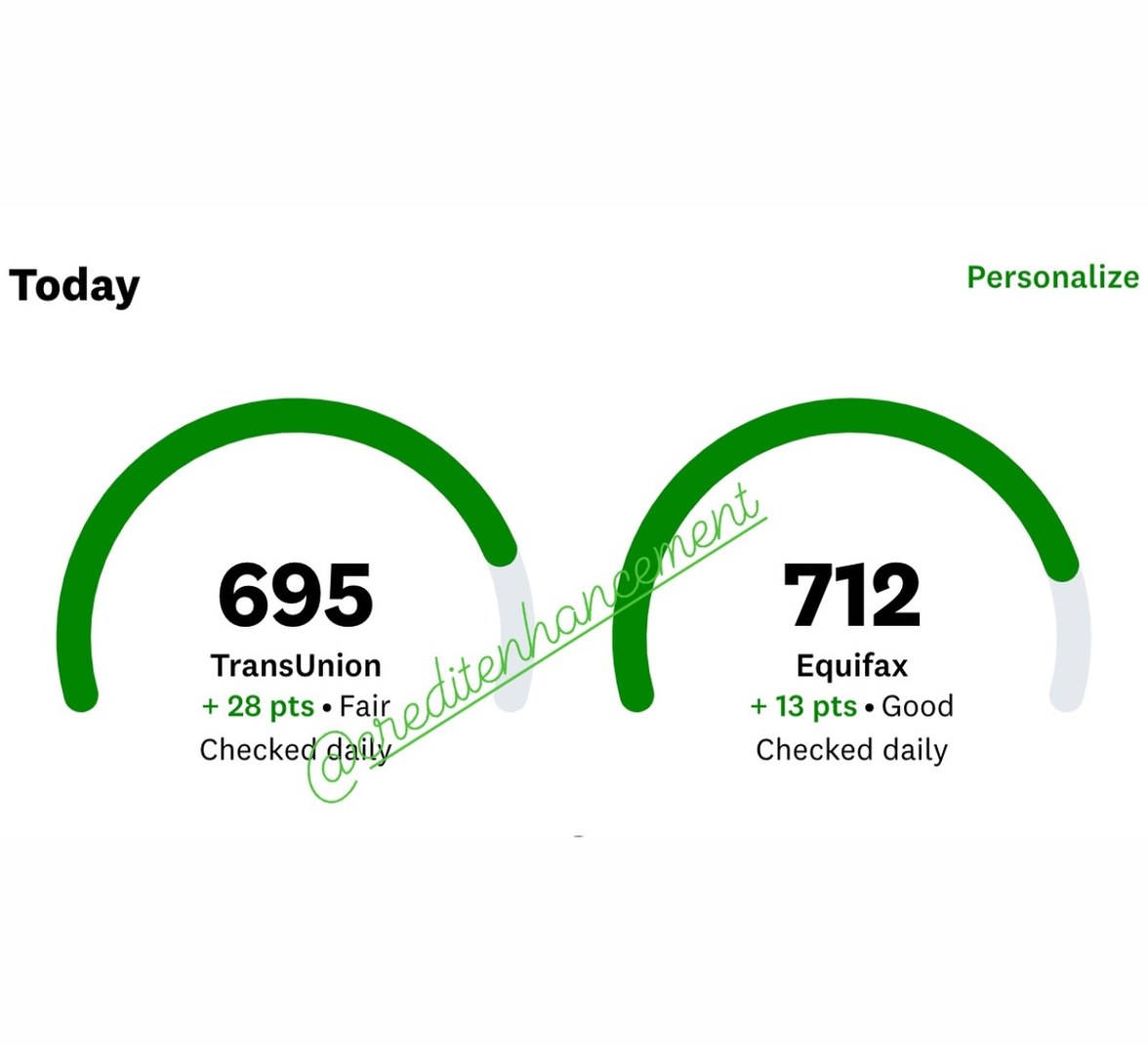
A client's scores in February 2024: TransUnion 695, up 28 points, and Equifax 712, up 13 points.

A client's FICO scores in October 2020: Experian 769, Equifax 755, and TransUnion 758.
Results vary from person to person and depend on what is in each credit file. Nothing here promises a particular score increase or deletion.
One dollar opens all three reports — Equifax, Experian, TransUnion — so you can see each medical collection, the amount, and the dates, before you decide what to do about it.
The entry on the page is the fact. Everything else is guessing.
$1 with MyScoreIQ gets you a week with your scores. Keeping it on costs $34.99 a month — cancel whenever you like.
Under the bureaus' current policies, paid medical collections generally should not appear on credit reports. If one is still showing after you paid it, dispute it with your payment documentation.
An unpaid medical collection generally stays for about seven years from the date of first delinquency, though the reporting rules for medical debt have changed and some medical collections are kept off reports entirely.
Contact your insurer and the provider first. If insurance pays or the provider corrects the bill, the correction should flow to the collector and the bureaus. Keep copies of everything.
Yes. A wrong amount, wrong dates, a bill that was paid, or an account that is not yours can be disputed with the bureau, just like any other collection entry.
Check the bill first. Confirm the amount, whether insurance should have covered it, and whether the collection should be reported at all. A written agreement about what will be reported is worth getting before you pay.
Let's review your reports together. Call (915) 205-6080.