Credit Sweeps
A credit sweep is a term for disputing many items at once. It is not a magic deletion, and any company that promises one is selling something that does not exist.
A credit sweep is a term used in credit-repair circles for disputing a large number of items on your reports at the same time. The idea is that a wave of disputes will clear your file quickly. The term is not a legal term, and it is not a process the bureaus recognize. It is a marketing word for sending many disputes at once.
There is nothing special about disputing many items at once. Each item is investigated on its own, by its own furnisher, on its own timeline. A sweep does not make the bureaus move faster, and it does not make accurate items disappear.
The reason to be careful with the word sweep is what it promises. Companies that sell sweeps often claim they can delete everything, including accurate items, in a matter of weeks. That is not how the system works. Accurate, verified information stays on your reports for its full reporting period, no matter how many disputes are sent.
A sweep can also backfire. Bureaus can treat a flood of identical disputes as frivolous, which lets them stop investigating. And if a sweep is built on false claims, like disputing accounts that are plainly yours as if they were fraud, it can create bigger problems than it solves. The honest version of a sweep is just thorough dispute work, done properly, item by item.
If this guide helped, these pages go deeper on the topics that usually come up next.
These are actual results from past clients, previously shared on Instagram. Every credit file is different, so treat these as examples of what the process can look like, not as a promise of what yours will do.

A client's WalletHub score rose 28 points, from 667 to 695, between February 3 and February 4, 2024.
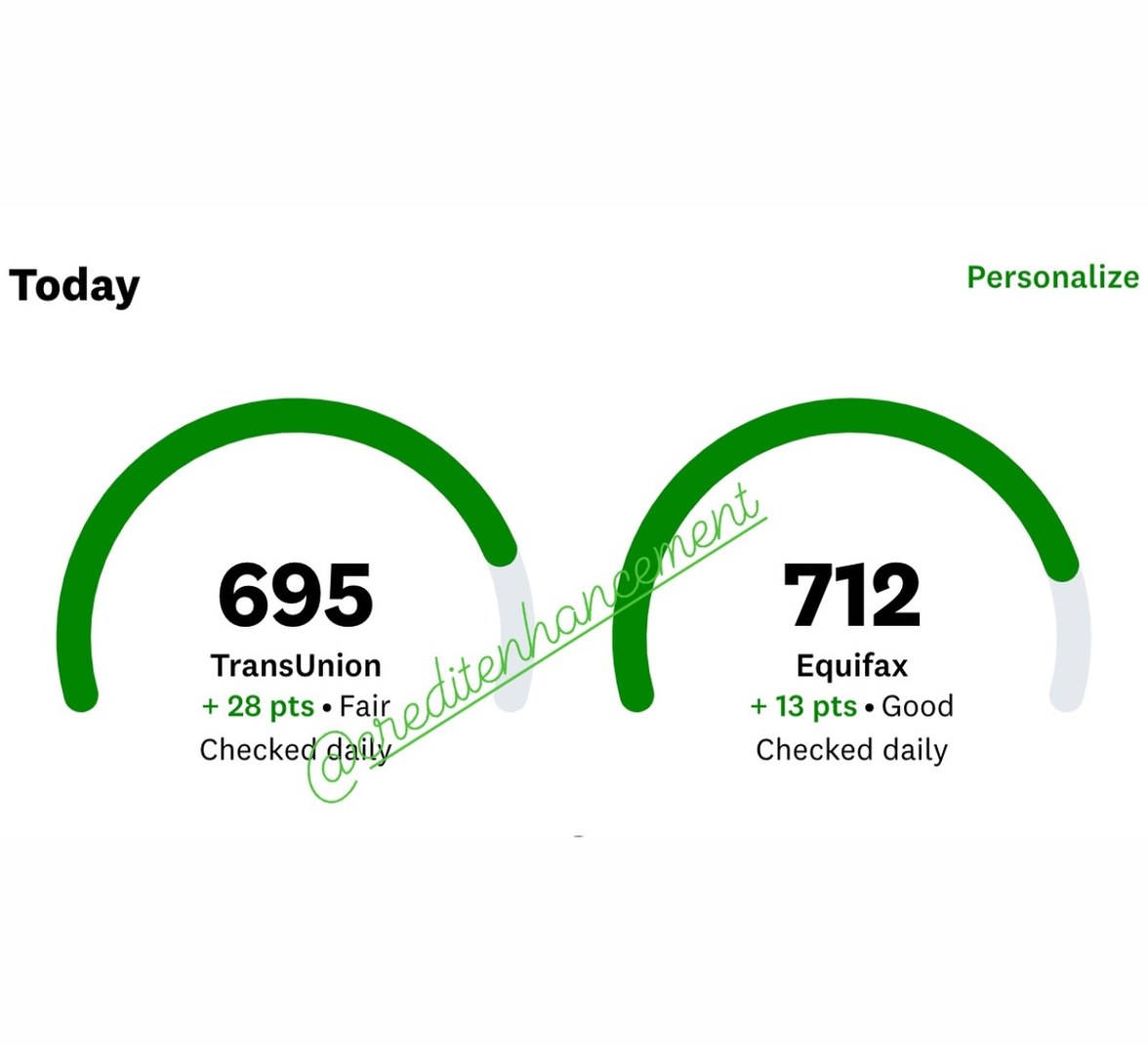
A client's scores in February 2024: TransUnion 695, up 28 points, and Equifax 712, up 13 points.

A client's FICO scores in October 2020: Experian 769, Equifax 755, and TransUnion 758.
Results vary from person to person and depend on what is in each credit file. Nothing here promises a particular score increase or deletion.
You can't fix what you can't see. Read your scores and entries from all three bureaus side by side and find out what is actually on your reports.
The entry on the page is the fact. Everything else is guessing.
$1 with MyScoreIQ gets you a week with your scores. Keeping it on costs $34.99 a month — cancel whenever you like.
Credit Sweeps can look different from one report to the next. We help you understand the details and spot accuracy problems.
The sweep starts the same way any dispute work starts: reading your reports and finding what is inaccurate, unverifiable, or past its reporting time.
Instead of one dispute at a time, a sweep sends disputes for many items in the same round.
The bureau sends each dispute to its furnisher. Each furnisher checks its own records and replies. There is no batch verdict.
Some items may be corrected or removed. Others may come back verified. A sweep does not change the outcome for any single item.
A Credit Sweeps entry feels personal, but on a report it is just data — dates, amounts, and a status. We help you read it as data first.
The same account can look different on each bureau. We help you check all three before you act on any one of them.
We explain dispute options, what records to keep, and practical habits that help you stay current going forward.
No one can delete accurate, verified information. A company that promises total deletion is promising something the law does not allow.
A real dispute is specific to the item and the error. Identical form letters for every account are easy for a bureau to dismiss.
Claiming accounts that are yours are not yours is a false statement. It can create legal trouble and it does not work.
A sweep without a paper trail means you cannot tell what was disputed, what came back, or what to do next.
A credit sweep is a term for disputing many items on your credit reports at the same time. It is not a legal process and not something the bureaus recognize as a special procedure.
No. Each disputed item is investigated on its own. Accurate, verified information stays on your reports, no matter how many disputes are sent.
Disputing inaccurate information is legal. What is not legal is making false claims in a dispute, such as saying an account is not yours when it is.
It is not different in substance. The honest version of a sweep is thorough dispute work done properly, item by item, with tracking and follow-up.
A bureau can treat a flood of identical or baseless disputes as frivolous and stop investigating them. Specific, documented disputes are far harder to dismiss.
Let's look at your reports together and find the moves that will actually help — and the ones that won't. Call (915) 205-6080.