The CFPB
The Consumer Financial Protection Bureau is the federal agency that handles complaints about credit bureaus, collectors, and lenders. Here is what it does and how to file a complaint.
The Consumer Financial Protection Bureau, or CFPB, is the federal agency that watches over consumer financial products: credit reports, debt collection, mortgages, bank accounts, and credit cards. When a bureau, a collector, or a lender does not follow the law, the CFPB is the agency you complain to.
A CFPB complaint is an escalation path, not a deletion guarantee. Filing a complaint does not force a bureau to remove an item, and it does not guarantee any particular outcome. What it does is put your complaint in front of the company with a deadline, and it creates a record that regulators can see.
The CFPB also publishes what it learns from complaints. Its complaint database is public, and it shows which companies get the most complaints and about what. That is useful information when you are deciding who to do business with, and it is one of the reasons companies take CFPB complaints seriously.
A complaint is worth filing when you have already tried the normal process and it did not work. If you disputed an error and the bureau verified it without really investigating, or if a furnisher keeps reporting information you have proven wrong, a complaint puts a regulator between you and the company. It does not replace the dispute process. It is what you do when the dispute process fails.
If this guide helped, these pages go deeper on the topics that usually come up next.
These are actual results from past clients, previously shared on Instagram. Every credit file is different, so treat these as examples of what the process can look like, not as a promise of what yours will do.

A client's WalletHub score rose 28 points, from 667 to 695, between February 3 and February 4, 2024.
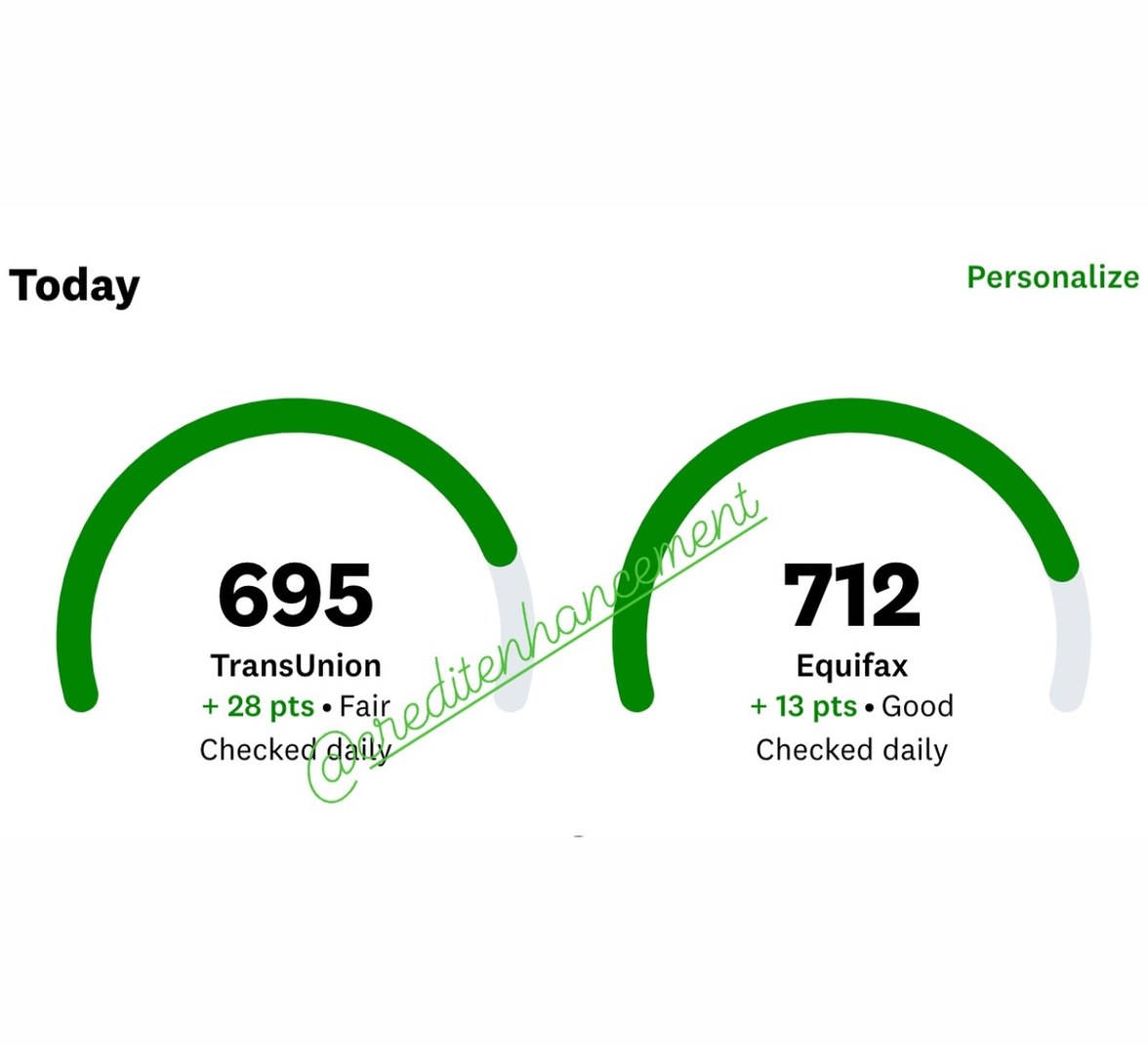
A client's scores in February 2024: TransUnion 695, up 28 points, and Equifax 712, up 13 points.
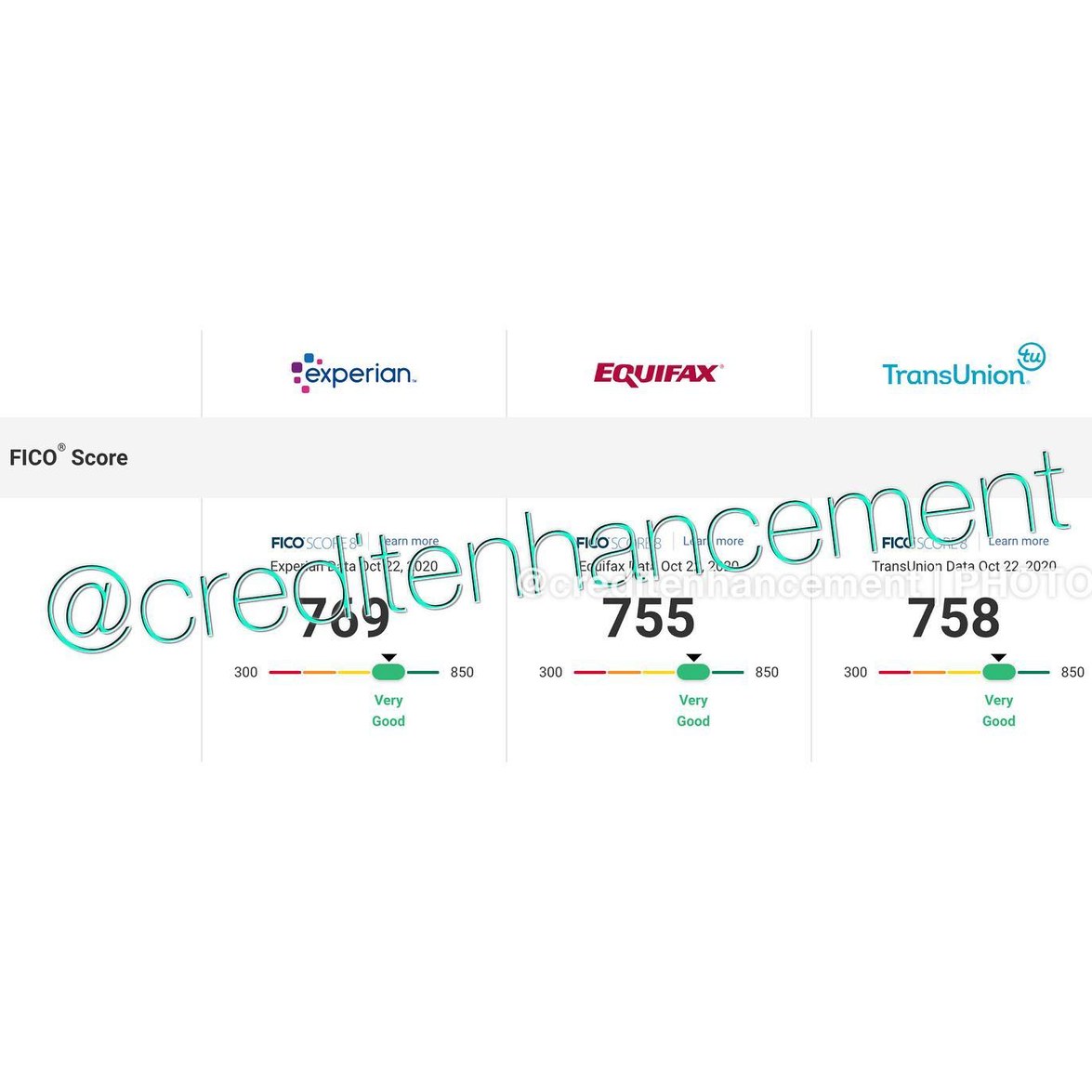
A client's FICO scores in October 2020: Experian 769, Equifax 755, and TransUnion 758.
Results vary from person to person and depend on what is in each credit file. Nothing here promises a particular score increase or deletion.
You can't fix what you can't see. Read your scores and entries from all three bureaus side by side and find out what is actually on your reports.
The entry on the page is the fact. Everything else is guessing.
$1 with MyScoreIQ gets you a week with your scores. Keeping it on costs $34.99 a month — cancel whenever you like.
the CFPB can look different from one report to the next. We help you understand the details and spot accuracy problems.
A complaint fits when a bureau did not investigate your dispute properly, when a furnisher will not correct an error, when a collector violated the law, or when a lender treated you unfairly.
Have your dispute letters, the bureau's responses, and any proof of the error ready before you file. A complaint with documents attached is stronger than one without.
Go to consumerfinance.gov and choose Submit a Complaint. You will describe the problem, name the company, and upload your documents.
The CFPB sends your complaint to the company, which generally must respond within 15 days and resolve the issue within 60 days.
The CFPB gives you a tracking number. You can follow the complaint online and add more information if the company's response is not enough.
If the company's response does not fix the problem, you can add a comment to your complaint, file a new complaint, or talk to a consumer attorney.
A the CFPB entry feels personal, but on a report it is just data — dates, amounts, and a status. We help you read it as data first.
The same account can look different on each bureau. We help you check all three before you act on any one of them.
We explain dispute options, what records to keep, and practical habits that help you stay current going forward.
A CFPB complaint works best after you have already disputed the error through the normal process and have the paperwork to show it.
Name the company, the account, the error, and what happened when you disputed it. Vague complaints get vague answers.
Copies of your dispute letters, the bureau's responses, and your evidence make the complaint concrete.
Your complaint tracking number is how you follow up. Save it with your other paperwork.
The Consumer Financial Protection Bureau is the federal agency that oversees consumer financial products, including credit reports, debt collection, mortgages, and bank accounts. It takes complaints from consumers and enforces consumer financial law.
Go to consumerfinance.gov and choose Submit a Complaint. Describe the problem, name the company, and upload your documents. The CFPB sends the complaint to the company, which generally must respond within 15 days.
Not necessarily. A complaint is an escalation path, not a deletion guarantee. It puts your complaint in front of the company with a deadline and creates a record regulators can see, but it does not force a specific outcome.
When a bureau did not investigate your dispute properly, when a furnisher will not correct an error, or when a collector violated the law. File after you have already tried the normal dispute process.
There is no charge to file a complaint with the CFPB. It is a government service, and you do not need a lawyer to file one.
Let's look at your reports together and find the moves that will actually help — and the ones that won't. Call (915) 205-6080.