Late Payments
One Late Mark Can Follow You for Years
A single 30-day late payment can sit on your reports and shape every lending decision that follows, from a car loan on Dyer Street to a mortgage in Horizon City. The good news is that a late payment entry is not untouchable: when the details are wrong, the entry can be challenged through a factual dispute. This guide walks through how late payments are reported, how to read the entry, and what to do when the facts do not add up.
A creditor generally reports a payment as late once it is at least 30 days past the due date. The entry shows the creditor, the date of the late payment, and how many days late it was — 30, 60, 90, or 120 days or more. The deeper the lateness, the heavier the mark tends to weigh, and a pattern of late payments weighs more than a single slip.
The same account can look different at each bureau. One bureau may show a 30-day late in March while another shows it in April, or one may show the account current while another still carries the mark. Those differences matter, because a dispute is built on facts: the due date on your statement, the date your payment actually posted, and what each bureau is reporting.
Here in El Paso, late marks often trace back to real life — a PCS move through Fort Bliss, a shift change at a warehouse off I-10, a hospital bill that pushed a card payment to the back of the line. Whatever the cause, the first step is the same: pull your reports at annualcreditreport.com, the official site, and read every late entry line by line before you apply for anything else.
Get your Equifax, Experian, and TransUnion reports at annualcreditreport.com, the official site, and write down every late entry: creditor, account number, date, and days late.
Match each entry against bank statements, payment confirmations, and receipts. Note any payment that posted on time, any due date that moved, or any account that is not yours.
Send a written dispute to each bureau reporting the error. Experian: P.O. Box 4500, Allen TX 75013. Equifax: P.O. Box 740256, Atlanta GA 30374. TransUnion: P.O. Box 2000, Chester PA 19016. Bureaus generally have 30 days to investigate.
You can also contact the creditor that furnished the information and ask it to correct its records. A furnisher that agrees the entry is wrong must send the correction to the bureaus.
For a one-off late payment with an otherwise on-time history, a goodwill letter asks the creditor for a courtesy removal. It is a request, not a right, and it works best when the rest of your history with that creditor is clean.
Save every letter, tracking number, and response. If a bureau verifies an entry you believe is wrong, your paper trail is what supports the next step.
An accurate late payment generally stays on a credit report for about seven years from the date of the late payment, and no one can promise it will come off early. What can be challenged is an entry that is inaccurate, incomplete, or unverifiable — a wrong date, a wrong number of days late, a payment that was actually on time, or an account that belongs to someone else.
After a dispute, the bureau will generally investigate and send you the results. If the entry is corrected or removed, check all three reports again, because a fix at one bureau does not always carry over to the others. If the entry is verified as reported, you can add a brief statement to your file explaining your side, and you can focus on the habits that keep future payments on time: autopay for at least the minimum, calendar reminders a few days before each due date, and a small buffer in checking so a payment never bounces.
People across El Paso, Socorro, Horizon City, and Canutillo run into the same questions about late marks, and the answers always start with the same move: read the entry closely, check it against your own records, and challenge only what the facts support. If you would like help reading your reports and sorting out which entries are worth disputing, call El Paso Credit Repair at (915) 205-6080.
These are actual results from past clients, previously shared on Instagram. Every credit file is different, so treat these as examples of what the process can look like, not as a promise of what yours will do.

A client's WalletHub score rose 28 points, from 667 to 695, between February 3 and February 4, 2024.
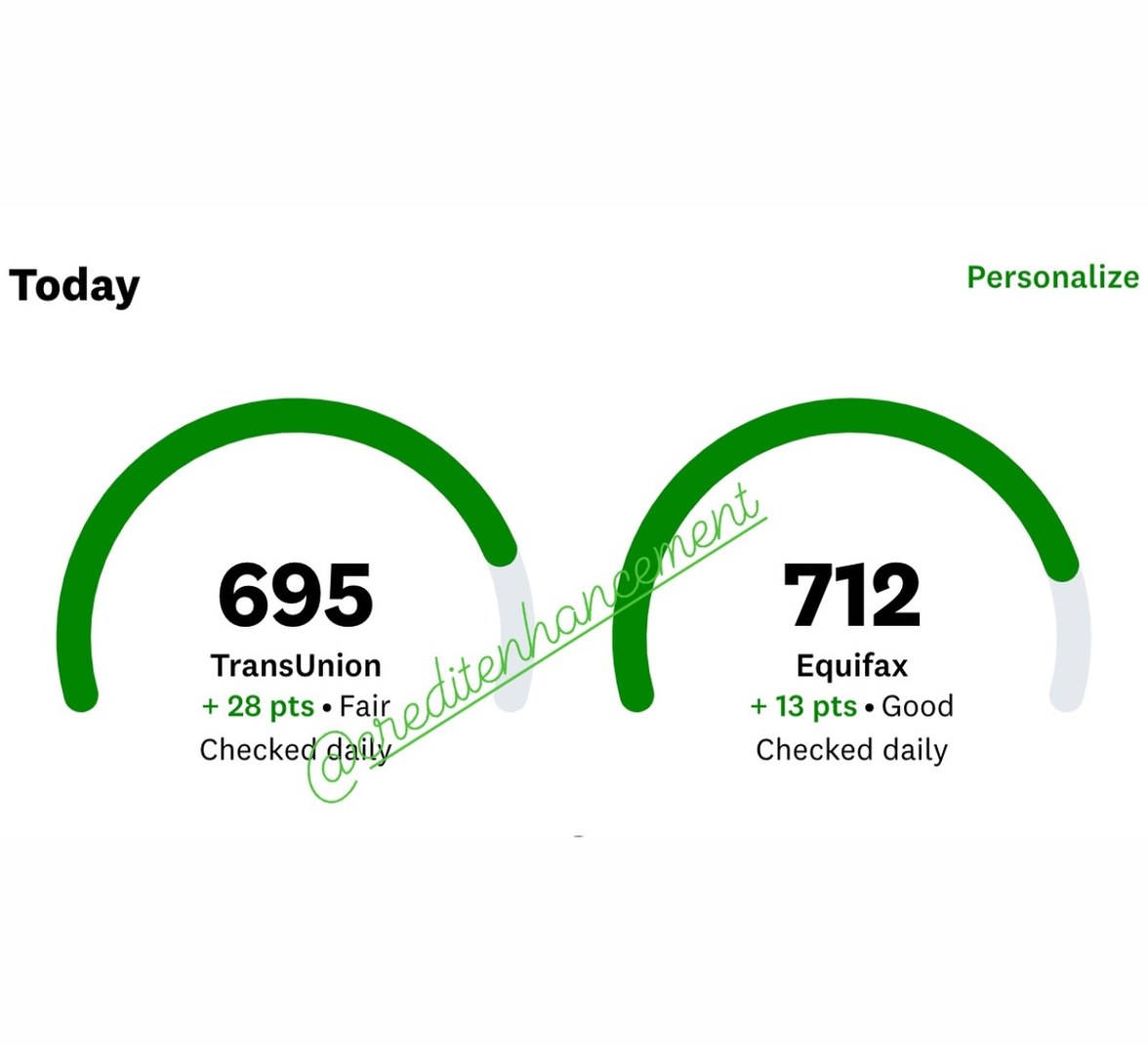
A client's scores in February 2024: TransUnion 695, up 28 points, and Equifax 712, up 13 points.
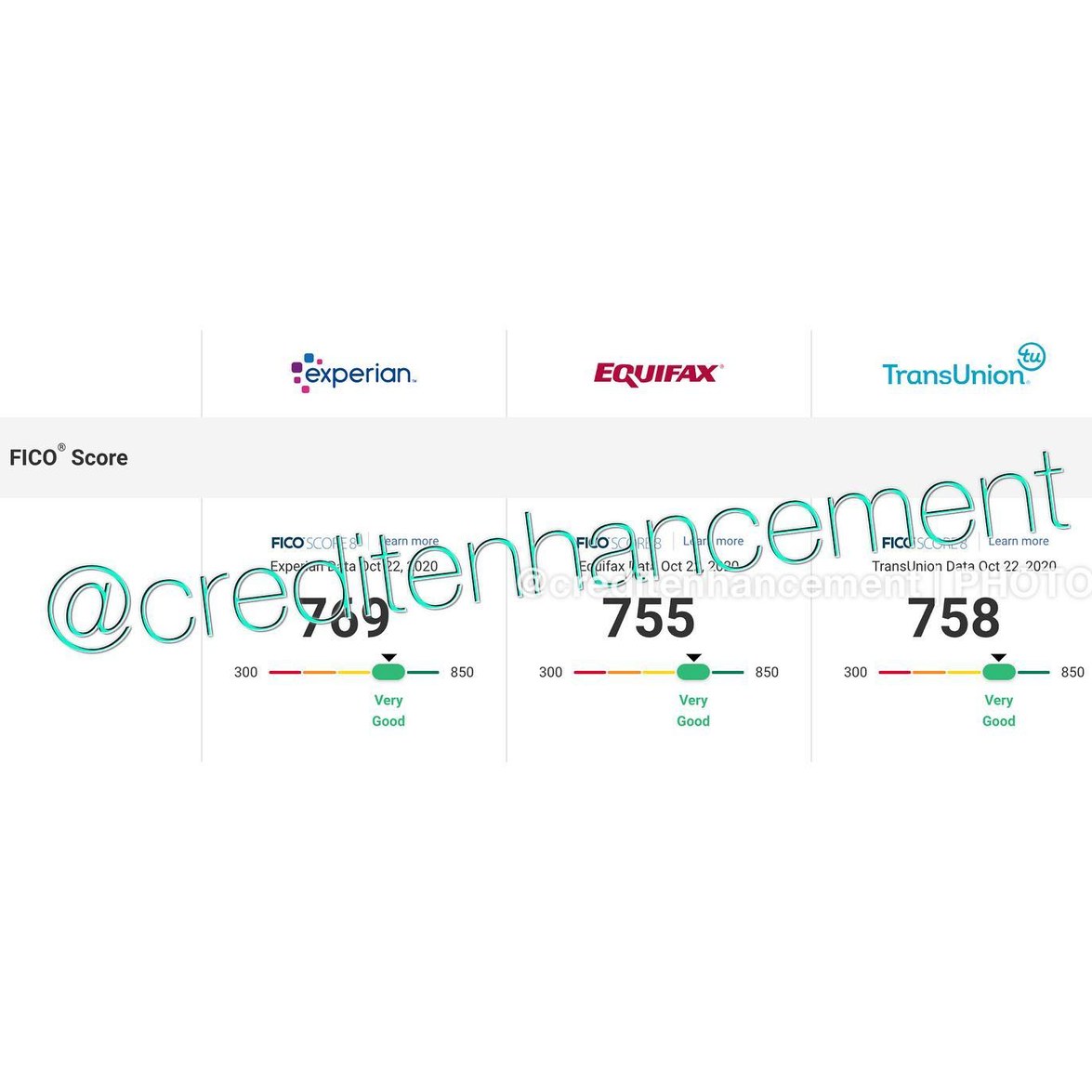
A client's FICO scores in October 2020: Experian 769, Equifax 755, and TransUnion 758.
Results vary from person to person and depend on what is in each credit file. Nothing here promises a particular score increase or deletion.
You cannot challenge a late payment you have not seen. One dollar opens all three reports — Equifax, Experian, TransUnion — so you can read every late mark yourself, with the dates and creditors in front of you, before deciding what to do about them.
The entry on the page is the fact. Everything else is guessing.
$1 with MyScoreIQ gets you a week with your scores. Keeping it on costs $34.99 a month — cancel whenever you like.
A late payment with inaccurate information — a wrong date, a wrong number of days late, a payment that was actually on time — can be challenged through a factual dispute. An accurate late payment generally stays on the report for the full reporting period.
A late payment is generally reported for up to seven years from the date of the late payment. The exact timing depends on the account and the bureau's reporting rules.
Paying the account may change its status, but it does not automatically remove the late payment entry. The reporting rules decide how long the entry remains.
A goodwill letter asks a creditor for a courtesy removal of a late mark, usually after a one-off late payment with an otherwise on-time history. It is a request, not a right, and the creditor can say no.
An entry tied to an account you do not recognize, or to another person's account, is worth a careful look. We can go through the account details with you and talk about dispute options.
Let's review your reports together. Call (915) 205-6080.