Late Payments
Seven Years Sounds Long — Here's How It Actually Works
A late payment can stay on your credit report for about seven years, and that number surprises a lot of people in El Paso. But the seven-year clock is not the whole story: a late mark weighs less as it ages, and a single late payment hurts less than a pattern. This guide explains the timeline, what affects it, and what you can do in the meantime.
A late payment is generally reported for up to seven years from the date of the late payment. The clock starts with the missed payment itself, not with the date the creditor reported it, and paying the account does not restart the clock. Once the reporting period ends, the entry should fall off the report on its own.
How much a late payment matters depends on more than its age. A 30-day late payment weighs less than a 90-day or 120-day late payment, a recent late payment weighs more than one from five years ago, and one late mark weighs less than several. Scoring models also look at the rest of your file: if the late payment is the only blemish on an otherwise clean history, its effect tends to fade faster than if it sits among collections and charge-offs.
Each bureau keeps its own records, so a late payment may fall off one report slightly before the others. Check all three reports at annualcreditreport.com, the official site, and note the date on each one. If an entry is still showing after its reporting period has passed, that is worth a dispute.
Check the date of the late payment against your statements. If the bureau shows the wrong date, the clock may be wrong too, and a dispute can correct it.
A wrong date, a wrong number of days late, or a payment that was actually on time can be disputed. Experian: P.O. Box 4500, Allen TX 75013. Equifax: P.O. Box 740256, Atlanta GA 30374. TransUnion: P.O. Box 2000, Chester PA 19016.
For a one-off late payment with an otherwise on-time history, a goodwill letter asks the creditor for a courtesy removal. It is a request, not a right, and it works best when the rest of your history is clean.
New on-time payments build a recent history that scoring models weigh heavily. Autopay for at least the minimum is the simplest way to protect yourself.
Low balances relative to your credit limits help offset an older negative mark. Paying down a card is one of the faster ways to improve the picture.
Each new application can add a hard inquiry and lower your average account age, which works against you while a late mark is still on the file.
Most late payments fall off automatically once the reporting period ends. If one is still there past seven years from the date of the late payment, dispute it with the bureau and ask for its removal as obsolete. Include the date and any records that show when the late payment happened.
Be wary of anyone who promises to remove an accurate late payment early. No company can promise removal of an accurate item, and the reporting rules do not have a shortcut. What can be challenged is an entry that is inaccurate, incomplete, or past its reporting period.
People in El Paso, Horizon City, Socorro, and Canutillo often ask whether they should just wait out a late mark or try to challenge it. The answer depends on the facts: if the entry is accurate, waiting it out while building a clean recent history is the honest path. If the entry is wrong, a dispute is worth filing now. El Paso Credit Repair can help you read the dates on your reports and sort out which path fits. Call (915) 205-6080.
These are actual results from past clients, previously shared on Instagram. Every credit file is different, so treat these as examples of what the process can look like, not as a promise of what yours will do.

A client's WalletHub score rose 28 points, from 667 to 695, between February 3 and February 4, 2024.
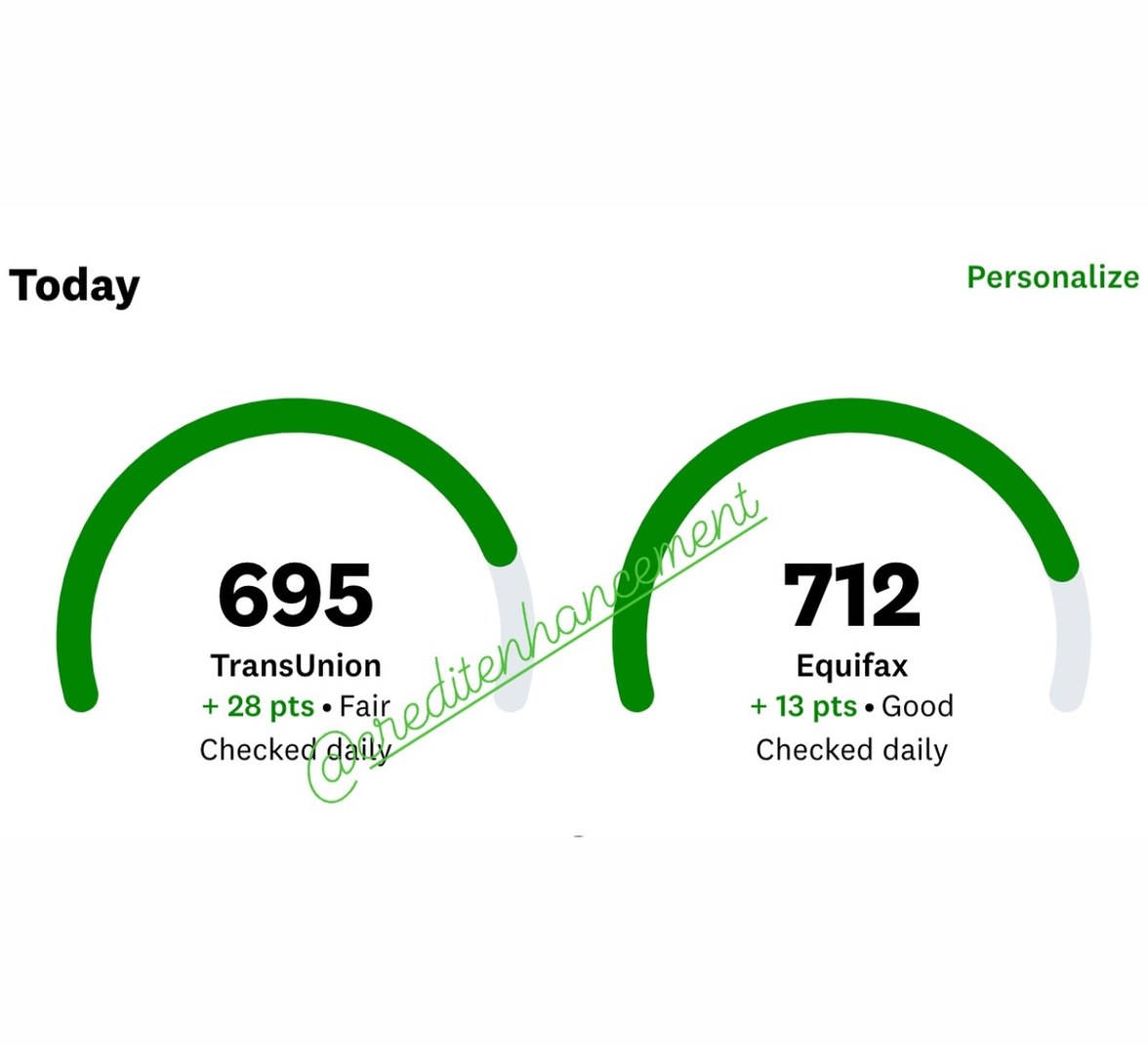
A client's scores in February 2024: TransUnion 695, up 28 points, and Equifax 712, up 13 points.
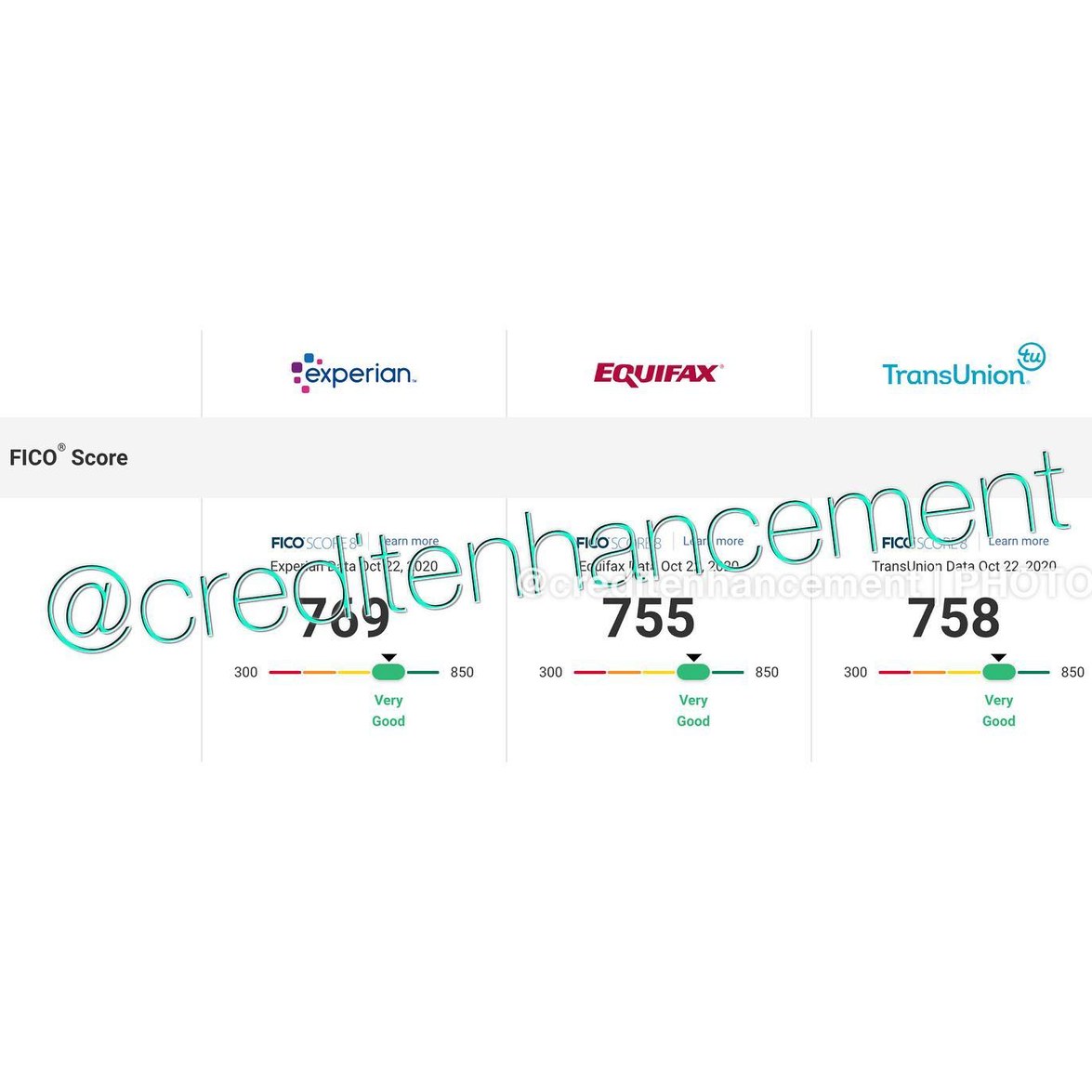
A client's FICO scores in October 2020: Experian 769, Equifax 755, and TransUnion 758.
Results vary from person to person and depend on what is in each credit file. Nothing here promises a particular score increase or deletion.
One dollar opens all three reports — Equifax, Experian, TransUnion — so you can see each late payment, its date, and how much time is left on the clock.
The entry on the page is the fact. Everything else is guessing.
$1 with MyScoreIQ gets you a week with your scores. Keeping it on costs $34.99 a month — cancel whenever you like.
A late payment is generally reported for up to seven years from the date of the late payment. The exact timing depends on the account and the bureau's reporting rules.
No. Paying the account may change its status, but it does not shorten the reporting period or restart the clock.
Generally yes. The deeper the lateness, the heavier the mark tends to weigh, and a recent late payment weighs more than an older one.
An inaccurate late payment can be challenged through a dispute. An accurate late payment generally stays for the full reporting period, and no one can promise early removal.
An entry past its reporting period can be disputed as obsolete. Ask the bureau to remove it and include the date of the late payment in your letter.
Let's review your reports together. Call (915) 205-6080.