Student Loans
Default Is Not Permanent — There Are Ways Out
A federal student loan in default can damage your credit, trigger wage garnishment, and block new federal aid. But default has defined exits: loan rehabilitation and consolidation are the two main paths, and each one changes how the loan is reported. This guide explains both, and what to check on your reports along the way.
A federal student loan generally goes into default after about 270 days without a payment, though the exact timing depends on the loan type. Once in default, the loan can be reported as in default, sent to a collection agency, and the government can garnish wages or take a tax refund. Private student loans have their own default rules, which are set by the loan agreement.
The two main exits from federal default are rehabilitation and consolidation. Rehabilitation means agreeing to a payment plan with the loan holder, making a set number of on-time payments, and then having the loan returned to good standing. Consolidation means combining the defaulted loan into a new Direct Consolidation Loan, which can be faster but works differently for your credit history.
In El Paso, student loan default often affects people who left school without finishing, or who moved for work — including military families at Fort Bliss — and lost track of the servicer. The first step is to find your loans at studentaid.gov and confirm which servicer holds each one, because you cannot fix a loan you cannot find.
Log in at studentaid.gov to see every federal loan, its status, and its servicer. For private loans, check your credit reports at annualcreditreport.com, the official site.
Ask what options are available for your loans. For federal loans, ask about rehabilitation and consolidation, and what each would require.
Rehabilitation usually means nine on-time payments over ten months, and the default can be removed from your credit report. Consolidation is faster but the default history generally remains on the report.
For rehabilitation, every payment counts. Set up autopay so a missed payment does not restart the process.
Once the loan is out of default, pull all three reports and confirm the status is updated. Experian: P.O. Box 4500, Allen TX 75013. Equifax: P.O. Box 740256, Atlanta GA 30374. TransUnion: P.O. Box 2000, Chester PA 19016.
A loan that shows the wrong status, wrong balance, or wrong dates can be disputed with the bureau and with the servicer.
Rehabilitation is usually the stronger choice for your credit report, because a successfully rehabilitated federal loan can have the default removed from your credit history. It takes longer — about nine months of payments — but the reporting benefit is real. Consolidation is faster, often a matter of weeks, but the default generally stays on the report for its normal reporting period, even though the loan itself is now in good standing.
After you are out of default, look into income-driven repayment plans, which set your monthly payment based on your income and family size. A payment you can actually make is the best protection against falling back into default. Also check whether you qualify for any forgiveness programs, including Public Service Loan Forgiveness if you work for a qualifying employer.
Student loan default is fixable, but the details matter: which loans, which servicer, which exit path, and what your reports show afterward. El Paso Credit Repair can help you read your student loan entries and sort out the next steps. Call (915) 205-6080.
These are actual results from past clients, previously shared on Instagram. Every credit file is different, so treat these as examples of what the process can look like, not as a promise of what yours will do.
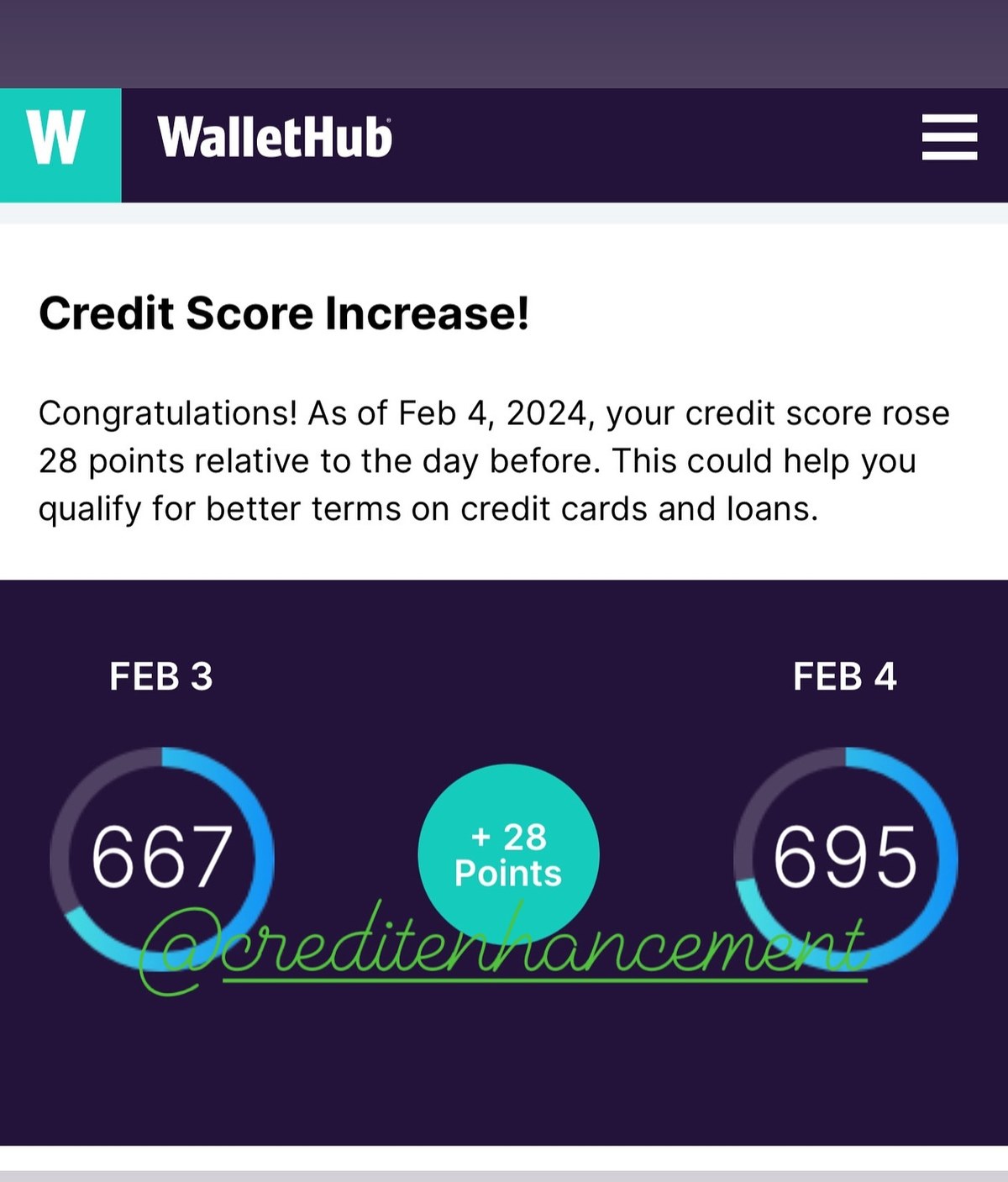
A client's WalletHub score rose 28 points, from 667 to 695, between February 3 and February 4, 2024.
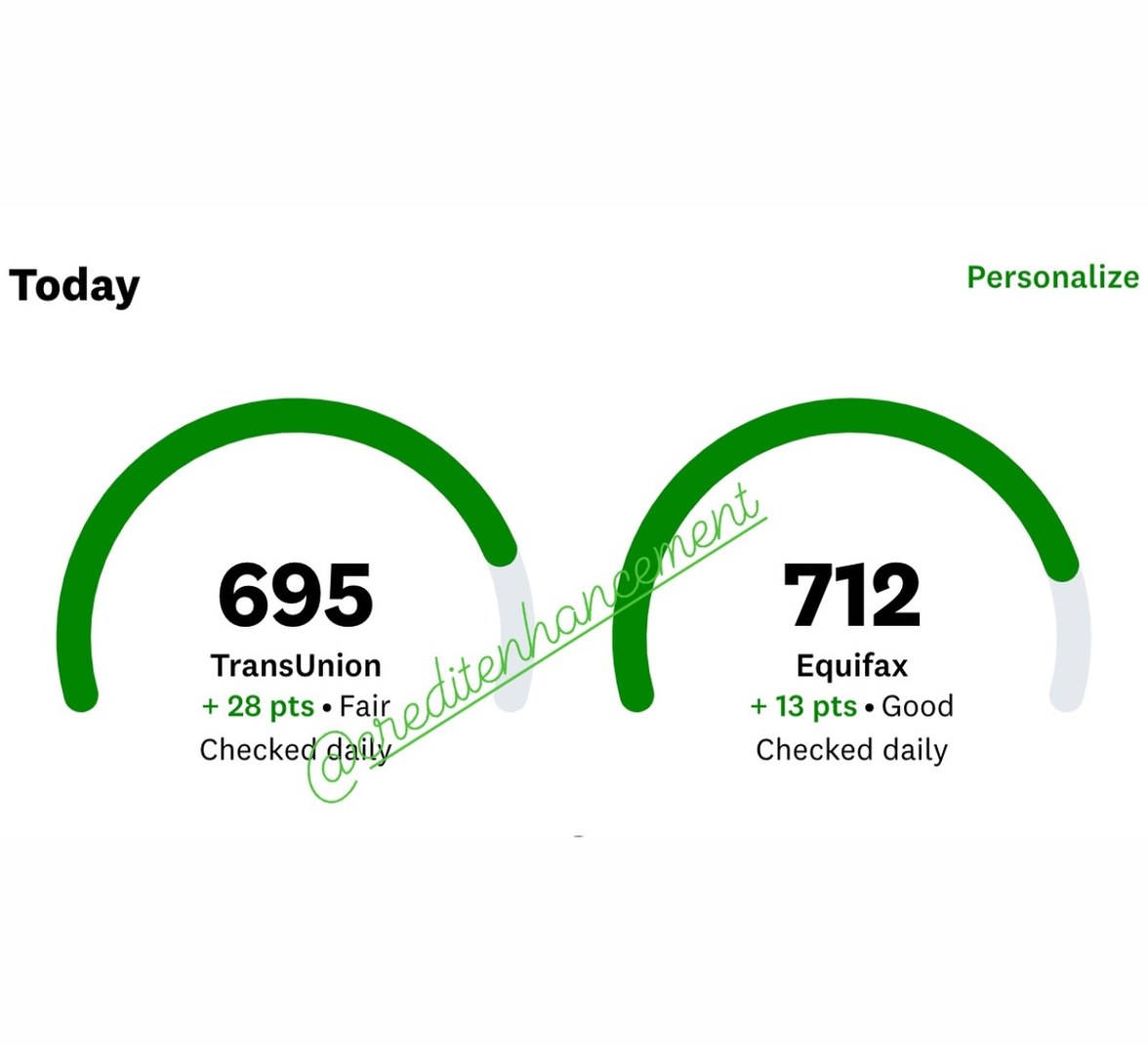
A client's scores in February 2024: TransUnion 695, up 28 points, and Equifax 712, up 13 points.
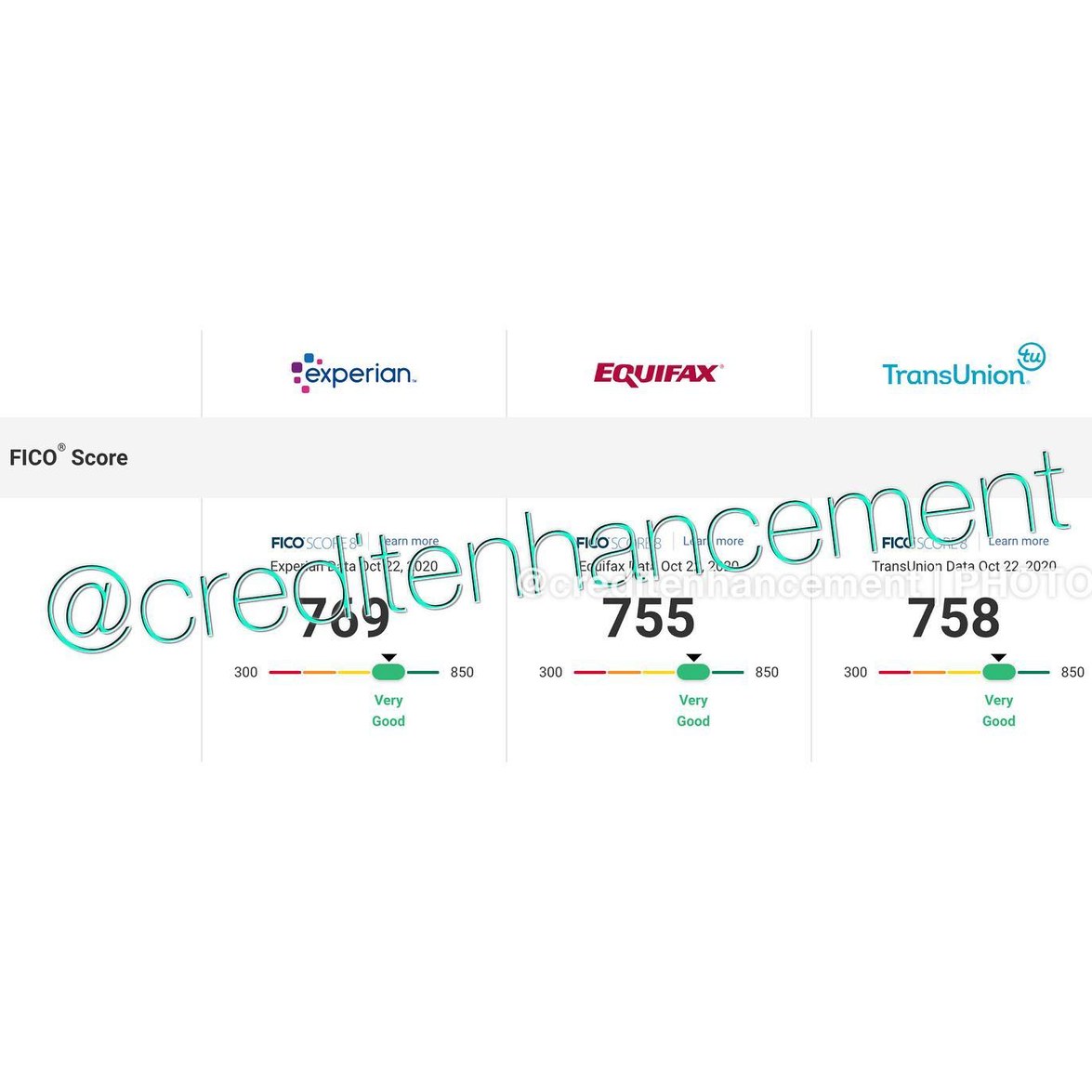
A client's FICO scores in October 2020: Experian 769, Equifax 755, and TransUnion 758.
Results vary from person to person and depend on what is in each credit file. Nothing here promises a particular score increase or deletion.
One dollar opens all three reports — Equifax, Experian, TransUnion — so you can see each student loan, its status, and its history, before you decide your next step.
The entry on the page is the fact. Everything else is guessing.
$1 with MyScoreIQ gets you a week with your scores. Keeping it on costs $34.99 a month — cancel whenever you like.
The two main paths for federal loans are rehabilitation, which means making a set number of on-time payments, and consolidation, which combines the loan into a new Direct Consolidation Loan.
A successfully rehabilitated federal loan can have the default removed from your credit history. Consolidation is faster but the default generally stays on the report.
A defaulted student loan generally stays for about seven years from the date of first delinquency, though rehabilitation can remove the default notation.
Yes. A defaulted federal student loan can lead to wage garnishment or a tax refund offset. Getting out of default stops those collection actions.
Private student loans have their own default rules set by the loan agreement. Contact the lender to ask about rehabilitation, settlement, or a modified payment plan.
Let's review your reports together. Call (915) 205-6080.